

Mature skin that runs dry asks for more than surface slickness. After 50, the skin barrier thins and lipid production slows, so a moisturizer needs to do real work, not just sit on top for an hour. You want something that supports the barrier, holds water in, and plays nicely with whatever else lives in your routine, from retinol to sunscreen. The picks below span a body lotion with active exfoliation, ceramide-rich face creams, a tinted day moisturizer, and a high-end anti-aging formula, so you can match the jar to your skin and your routine, not the other way around.
A Fast Comparison Of The Options
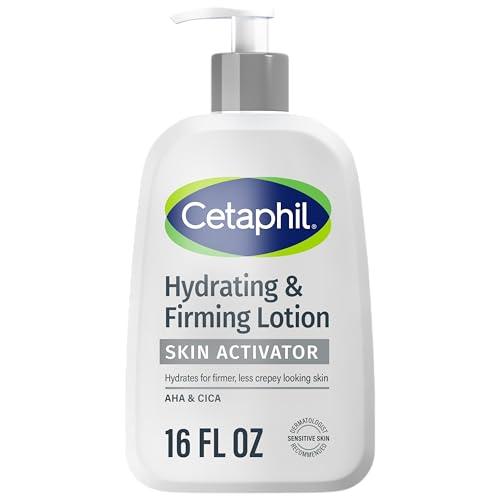
Cetaphil Skin Activator Firming Body Lotion (16 oz)

Good Molecules Rich Cream with Ceramides

Rice Ceramide Face Moisturizing Cream (1.06 oz)

MAREE Face Moisturizer with Collagen and Retinol (1.67 fl oz)

Lancôme Absolue Longevity MD Intercept Cream
The Picks, Examined More Closely
The Cetaphil Skin Activator is the only body lotion on this list, and it earns that spot by pairing barrier-friendly hydration with a gentle chemical exfoliant. The formula leans on mandelic acid, a larger-molecule AHA (alpha hydroxy acid) that tends to feel less prickly than glycolic, plus centella asiatica (often listed as CICA) to soothe the surface.
The 16 oz pump is generous enough to cover arms, legs, and chest through a full month of daily use. You apply it after a shower on towel-damp skin, which lets the humectants (water-binding ingredients) pull moisture in before the lotion sets. If your main concern is the crepey texture that shows up on the upper arms and thighs with age, this is a sensible body-side answer while you treat the face with a separate cream.
Strengths Worth Knowing
- Large 16 oz pump that lasts through a month of body-wide use, so you are not rationing a small jar.
- Combines mandelic acid with centella asiatica, so exfoliation and soothing live in the same step.
- Texture is lotion-weight rather than heavy balm, which makes it easier to apply on large areas without that sticky post-shower feeling.
- Plays well with shaving or waxing routines, since the AHA is mild enough for most users to tolerate on non-freshly-shaved skin.
Things To Consider
- AHAs increase sun sensitivity, so you will want SPF coverage on any area that sees daylight after application.
- The pump can feel slow on thicker application, and some people prefer to decant into a squeeze bottle.
- Active exfoliation means freshly shaved legs may sting, so space it out from hair removal by a day.
Who It Suits Best
Anyone whose arms, legs, and chest show crepey texture and wants a body lotion that does more than coat the surface.
Look Elsewhere When
You need facial hydration specifically, in which case the Good Molecules Rich Cream is a more focused face option.
The Good Molecules Rich Cream is the no-fuss face moisturizer of the group. Its job is straightforward: replenish lipids (the natural fats that hold skin cells together) and calm dryness, which makes it a strong base layer under sunscreen or makeup. The cream texture sits somewhere between a lotion and a balm, so it cushions without sitting greasy for hours.
What makes this one land for older dry skin is the ceramide-and-betulin combo. Ceramides are fatty molecules that make up a large share of the skin’s own barrier, and they tend to drop with age, so topping them up helps the skin hold water instead of losing it through the day. It works as a morning or evening step and layers under most serums, which keeps the routine simple.
The Good Stuff
- Ceramide-forward formula that targets the lipid layer older skin naturally loses over time.
- Comfortable, non-greasy finish that works under makeup or sunscreen, depending on your morning routine.
- Versatile enough to function as a day cream, night cream, or barrier-support step over active treatments.
Points To Note
- Lacks any exfoliating or firming actives, so you may want to pair it with a separate serum if those are priorities.
- Texture is on the richer side, and people who prefer a true lightweight gel may find it a touch heavy in humid weather.
Feature Snapshot
Made For
Anyone building a simple, barrier-first routine for dry facial skin and looking to spend on the cream rather than the brand label.
Consider Something Else When
You want a built-in tint to even out tone, where the MAREE Face Moisturizer fills that role in a single step.
The Rice Ceramide Face Cream is the gentlest entry on the list, and that is its real appeal. Rice extract has a long history in Asian skincare for softening the look of dull, dehydrated skin, and pairing it with ceramides turns a simple moisturizer into a barrier-repair step. The 1.06 oz jar is small but the cream spreads easily, so a little goes a long way.
Where this fits is in a routine for skin that feels tight, looks rough, and reacts to stronger actives. The texture is soft and cushiony rather than slick, and it absorbs without leaving a film. For people easing into anti-aging care, or for anyone whose skin has gotten more reactive with age, it is a low-risk way to add moisture and barrier support without piling on new ingredients.
The Helpful Details
- Rice extract plus ceramides addresses both surface softness and the underlying moisture barrier in one step.
- Light, cushiony texture that layers under sunscreen or a heavier night cream if you want extra support.
- Formulated for daily use across all skin types, including skin that tends to read sensitive.
- Targets the five classic signs of dehydration: dryness, dullness, dry lines, tightness, and roughness.
Worth Noting
- Smaller 1.06 oz jar means you will go through it faster than the 16 oz Cetaphil if you use it generously on the neck and chest too.
- Lacks SPF, so you still need a separate sun protection step in the morning.
Best Suited To
People with dehydrated, easily irritated skin who want a calming daily cream that does not introduce strong actives.
Skip It When
You want a single product that also targets visible firmness, in which case the Lancôme Absolue MD Intercept is the firmer, more treatment-oriented option.
The MAREE Face Moisturizer is the multitasker of the list, packing hydration, treatment ingredients, and a sheer tint into a single jar. The formula centers on four types of hyaluronic acid (a moisture-binding molecule that holds many times its weight in water), niacinamide (a form of vitamin B3 that supports the barrier and evens tone), and squalane (a skin-identical lipid that softens without clogging).
What makes it different is the “DD cream” framing, which means it offers light, tinted coverage while still acting as a moisturizer. You can wear it alone on low-makeup days or layer foundation over it. The 1.67 fl oz size is generous for a face cream and should last roughly two months with twice-daily use.
What Stands Out
- Four-weight hyaluronic acid blend that hydrates at different depths of the skin’s surface layers.
- Built-in tint evens tone, so you can simplify a morning routine on no-makeup days.
- Retinol plus collagen targeting supports a firmer look alongside hydration, so you cut down on extra steps.
- Squalane and niacinamide round out the formula, which helps with both softness and a more even surface over time.
Trade Offs
- The tint may not match every skin tone perfectly, so a tester is worth ordering before committing to a full jar.
- Retinol can be irritating for sensitive or retinoid-new users, so alternate-night use is a sensible starting point.
- Day-and-night use with retinol means daytime SPF is non-negotiable to protect the work you are putting in.
Perfect Match For
People who want hydration, treatment, and a touch of coverage in one step, especially on busy mornings or travel days.
Reach For A Different Pick When
You prefer to keep retinol and tint fully separate, in which case the Good Molecules Rich Cream pairs more flexibly with a separate active.
The Lancôme Absolue Longevity MD Intercept is the high-end, treatment-leaning option in this roundup. It is built around the idea that mature skin needs help with elasticity (the skin’s ability to snap back into place) and firmness, both of which tend to fade after menopause or simply with time. The cream is rich without being greasy, and a small amount spreads across the full face and neck.
The brand positions this as an anti-aging cream rather than a basic moisturizer, so the trade-off is clear: you pay more per jar, but the formula is meant to act on firmness and elasticity rather than just sit on the surface. Used morning and night, it fits the routine of someone who has already tried basic creams and wants to step up to a more targeted treatment.
Notable Gains
- Targeted at elasticity and firmness, which are the two concerns that plain hydrating creams often leave untouched.
- Rich, elegant texture that feels more like a treatment than a basic lotion, and absorbs without a heavy film.
- Lancôme’s Absolue line has a long track record in the anti-aging category, which matters if you are loyal to a heritage brand.
Honest Caveats
- Costs considerably more per ounce than the Good Molecules or MeiPlumLai options, so it is a deliberate step up rather than a casual purchase.
- Treatment-level creams sometimes cause mild adjustment reactions, so spacing use in for the first week is a reasonable approach.
Feature Snapshot
Whose Shelf It Belongs On
Established anti-aging routines where basic hydration alone has stopped moving the needle on firmness.
A Better Fit Elsewhere
First-time anti-aging routines are better served by the Good Molecules Rich Cream or MAREE Face Moisturizer, which offer barrier and hydration support at a friendlier entry point.
Choosing a Face or Body Moisturizer for Mature, Dry Skin
Mature, dry skin responds best to formulas that rebuild the barrier rather than just coat the surface. The first attribute to look at is the lipid profile, meaning ceramides, cholesterol, and fatty acids in a balanced ratio, since those mirror what the skin naturally makes. Without lipids, even a thick cream evaporates off within hours and the tightness comes right back.
The second attribute is the humectant system, the water-binding ingredients like hyaluronic acid, glycerin, and panthenol. These pull water into the upper layers, but they need occlusive (sealing) ingredients behind them to stop that water from evaporating. That is why layering a hydrating serum under a ceramide cream works better than either alone.
Third, decide whether you want an active or a passive cream. Actives like AHAs, retinol, and bakuchiol (a plant-based retinol alternative) tackle texture and firmness, while passive creams focus purely on comfort and barrier repair. Your skin’s tolerance and your routine’s complexity should drive that call, not marketing language. Finally, look at texture relative to climate: a rich cream earns its place in dry winter air, while a lotion or gel-cream often wears better in humid summers or under makeup.
What To Weigh Before You Commit
Mistakes Worth Dodging
Chasing a single “miracle” ingredient usually backfires. Skin in your 50s, 60s, and beyond rarely needs a ten-step routine. A simple two- or three-step routine built around a barrier-supporting moisturizer, a serum if needed, and daily SPF tends to outperform complicated routines full of conflicting actives. Patch-testing a new product on the inner forearm for two days is also a small habit that prevents weeks of recovery from an unexpected reaction.
Where The Extra Money Goes
Higher-tier creams like the Lancôme Absolue tend to invest in more sophisticated delivery systems and clinical testing on elasticity and firmness. That is real research, though it is not a substitute for sunscreen, sleep, and the basics of barrier care. The upgrade is worth it once you have your core routine dialed in and want a targeted treatment on top. Until then, a ceramide cream and consistent SPF will do more for visible aging than any single luxury jar.
Key Considerations Across These Picks
Where Shoppers Go Wrong
The most common trap is choosing a moisturizer by texture alone. A thick cream feels like it is working harder, but if it lacks ceramides or humectants, it just sits on the surface. Older dry skin actually does better with formulas that combine occlusive and humectant ingredients, even when the texture feels lighter than expected.
When Paying More Pays Off
Premium creams typically earn their price through concentrated actives, more rigorous testing, and richer base formulations. That matters most for skin that has already plateaued on drugstore staples and is ready for a targeted firmness or elasticity treatment. For a first moisturizer or a backup travel jar, mid-tier picks offer a smarter balance of cost and performance.
Frequently Asked Questions
What ingredients should you look for in moisturizers for older dry skin? Ceramides, hyaluronic acid, glycerin, and squalane are the core lineup because they replenish the lipid barrier and bind water into the upper skin layers. For added anti-aging support, formulas with retinol, bakuchiol, or peptides (short amino acid chains that signal the skin to produce more collagen) are reasonable next steps once your skin is comfortable with the basics.
How often should you apply moisturizer if you have mature dry skin? Twice a day is a sensible default, with a richer cream at night and a hydrating but lighter cream in the morning under sunscreen. Reapplying moisturizer to hands and arms after washing is also helpful, since that habit rebuilds the barrier multiple times a day.
Can you use the same moisturizer on your face and body? You can, but face moisturizers are usually formulated with gentler, non-comedogenic (won’t clog pores) ingredients since facial skin is thinner and more reactive. A dedicated body lotion like the Cetaphil Skin Activator often includes exfoliating acids that are well tolerated on the body but too strong for daily facial use.
Is a thick cream always better for older dry skin? Not necessarily. Thickness helps lock in moisture, but it does not add water to the skin on its own. A balanced formula with humectants, lipids, and a comfortable occlusive layer tends to outperform a thick but lipid-poor cream, especially in dry indoor air.
Do you still need sunscreen if your moisturizer has anti-aging ingredients? Yes, every day. UV exposure is the single biggest driver of visible aging, and no moisturizer can offset that without daily SPF on top. Apply a broad-spectrum sunscreen of at least SPF 30 as the final morning step over your moisturizer.
Final Verdict
The right moisturizer for older dry skin is the one that fits your routine, your climate, and your tolerance for actives. Start with a ceramide-rich cream as the foundation, add SPF every morning, and only layer in treatment ingredients once your barrier is steady. Your skin will tell you what it needs; the job of these products is simply to support that conversation.
