

A fresh tattoo is technically a controlled wound, and what you put on it during the first two to four weeks shapes how the ink settles, how the lines heal, and how vivid the color looks months later. Picking the right product is less about brand hype and more about ingredient quality, occlusion (the seal the product creates to slow moisture loss), and how your skin tolerates daily reapplication. This shortlist covers five formulas built for different stages of that healing window, from open-skin days to long-term color maintenance.
The Choices Worth Comparing

Proamate Natural Organic Tattoo Aftercare Butter Balm

Hustle Butter Deluxe Portable Balm Stick (1.6 oz)
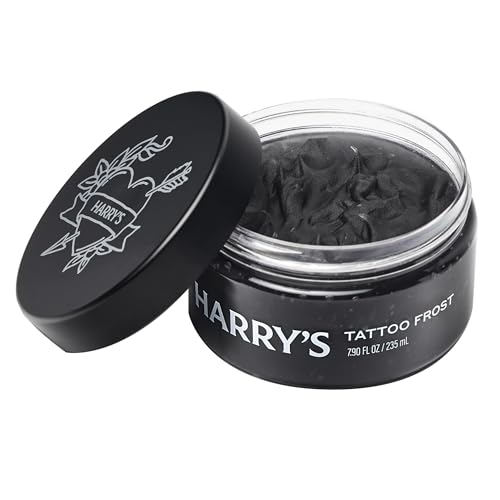
Harry’s Tattoo Frost Hydration Gel

Stories & Ink Aftercare Cream (2 fl oz)
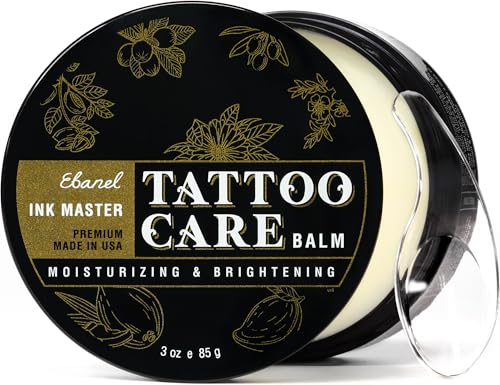
Ebanel Premium Tattoo Balm (3 oz)
The Strengths Of Each Pick
Proamate’s butter lands in the jar thick, then melts into a thin layer once it touches warm skin, which matters when you’re trying to keep a healing tattoo moist without suffocating it. The formula leans on a shea and jojoba base, a macadamia seed oil component for slip, and a vitamin E complex to soften scab-prone areas. You can use it the same week you get inked and keep going months later on older pieces that need a brightness pick-me-up, so it pulls double duty in a routine.
Compared to the lighter gel texture of Harry’s Tattoo Frost later in this list, this one is the heavier, more occlusive option. It behaves more like a traditional balm than a water-based hydrator, and that trade-off shows up in how slowly it absorbs.
Everyday Perks
- Petroleum-free, paraben-free base, which means no petroleum jelly sitting on top of an open wound
- Versatile for fresh sessions and older tattoos that need color revival
- Shea butter base creates a breathable layer that holds moisture in without sealing pores shut
- Jojoba oil closely mimics skin’s natural sebum, helping the balm absorb rather than just sit on top
Things To Consider
- The thick consistency means greasy fingerprints during application, so a small scoop works best to avoid waste
- Heavier formulas can feel too occlusive on hot, humid days when skin already struggles to breathe
- Open-jar packaging exposes the butter to air and debris, so a clean spatula or washed hands are essential
Feature Snapshot
Who It Suits Best
Shoppers who want one jar to handle the first four weeks of healing and then keep their existing tattoos looking bright without switching products.
Consider Something Else When
Pick the Stories & Ink Aftercare Cream instead if your tattoo is still in the open-wound stage and you want a cream specifically formulated for the first few days.
The Hustle Butter stick solves the mess problem most balms create. Instead of dipping fingers into a jar, you twist the base and glide the balm directly across the skin, which is genuinely useful when you’re applying product in a car, at the gym, or anywhere without a sink nearby. The 1.6 oz tube fits in a jacket pocket, a small crossbody, or a gym bag without taking up much space.
One important note: the brand specifies this stick is meant for existing tattoos, not fresh ones, so it slots into your routine as a touch-up tool rather than a first-week healer. The naturally derived, vegan, and cruelty-free framing makes it a strong fit for shoppers who weigh those factors heavily when choosing skincare.
Where It Excels
- Twist-up stick format means no hand contact with the product, which keeps things cleaner during travel
- 1.6 oz is small enough to pass TSA without issues, useful for anyone flying with a piece still in the early months
- Vegan and cruelty-free formulation suits shoppers who filter personal care by those standards
- Glides on without the greasy residue typical of jarred butters like the Proamate option above
Points To Keep In Mind
- Not recommended for fresh, open tattoos during the first days of healing
- Stick balms can soften in hot cars and deform slightly, so storage in a cool bag is worth the effort
- The fixed stick surface may collect lint or pocket debris, which means a quick wipe before each use
Right Fit For
Anyone with a healed tattoo who travels often, works out daily, and wants quick midday hydration without a jar and clean hands.
Look Elsewhere When
Reach for the Proamate Natural Organic Tattoo Aftercare Butter Balm if you need a single product that handles the very first week of healing as well as the months that follow.
Harry’s takes the opposite approach from the butters above. The gel format absorbs almost on contact, which makes it appealing if you hate the tacky layer that heavier balms leave behind. It uses a hyper-fermented ingredient base aimed at long-lasting hydration, and the frosted black packaging hints at a cooling sensation that lands well on a fresh piece when skin feels warm and tight.
This is the kind of product that earns a place in the routine of someone who already moisturizes their face daily and wants the same lightweight, no-residue feel on their tattoos. It targets dullness from dryness, so it works as much for color maintenance as it does for healing support.
Strengths Worth Knowing
- Lightweight gel texture absorbs in seconds, leaving no sticky film on clothes or sheets
- Cooling sensation helps soothe the tight, itchy feeling that shows up around day three of healing
- Hyper-fermented ingredients are designed for sustained hydration rather than a one-time moisture hit
- Slim tube fits a bathroom shelf or travel pouch without taking up counter space
Trade Offs
- Gels evaporate faster than occlusive butters, so reapplication through the day is the trade-off for the lighter feel
- Less barrier protection compared with thicker balms, which may matter during the flake-and-peel phase
- Limited ingredient detail in the listing makes it harder to spot potential sensitivities before committing
Made For
Shoppers who prefer a gel moisturizer over a balm and want a fast-absorbing product they can layer under clothing without staining fabric.
Swap It Out When
Choose the Ebanel Premium Tattoo Balm instead if you’re working through a sleeve or a large back piece and need richer barrier support across a wider surface area.
Stories & Ink built this cream specifically for the earliest stage of healing, when the tattooed area is still red, raised, and sensitive. The formula combines panthenol (a provitamin of B5 known for supporting skin barrier repair) and bisabolol (a soothing compound derived from chamomile) to address itch and dryness before they turn into scratching and scarring. The brand developed it inside a working tattoo studio, which gives it a credibility angle the jar-on-a-shelf competitors don’t have.
The 2 fl oz tube is a reasonable size for one mid-sized session, and the cream texture is thinner than the butters earlier in this list, which helps during the days when even a thin layer of product can feel like too much.
The Practical Payoff
- Panthenol supports the skin’s natural repair process during the most vulnerable week of healing
- Bisabolol helps calm visible redness, which matters when the tattoo sits on skin you can’t easily cover up
- Studio-developed background gives it a more grounded origin than generic drugstore lotions
- Mid-weight cream feels less heavy than a butter yet richer than a gel like Harry’s Tattoo Frost
Honest Caveats
- 2 fl oz runs out quickly on a sleeve, so larger pieces may need a backup tub for the second week
- Marketed specifically for fresh tattoos, so it transitions out of the routine once the flake stage ends
- Higher concentration of active ingredients means a patch test is wise for anyone with reactive skin
Best Suited To
First-time tattoo clients or anyone sitting for a fresh piece who wants a cream designed for the first week rather than a generalist balm.
Reach For A Different Pick When
Pick the Proamate Natural Organic Tattoo Aftercare Butter Balm if you want one product that can carry you from day one through month six without a swap.
Ebanel positions this balm as an all-stage product, usable before, during, and after sessions, which gives it more flexibility than the studio-specific Stories & Ink cream or the healed-only Hustle Butter stick. The 3 oz size is the largest tub in this lineup, so the per-application cost drops when you’re covering a half-sleeve or a thigh piece. The formula leans on antioxidant and fatty acid-rich natural butters, plus essential oils and botanicals, to build what the brand describes as a breathable barrier.
You may find the butter richer than the Stories & Ink cream during the first 48 hours, but the trade-off is more staying power on larger surfaces where you don’t want to reapply every two hours.
Notable Gains
- 3 oz jar outlasts the smaller 2 fl oz Stories & Ink tube on bigger pieces, so fewer repurchases mid-project
- All-stage framing means it stays in rotation from prep through long-term color care
- Breathable barrier claim matters during sleep, when skin needs to recover without suffocating under thick product
Where It May Fall Short
- Larger jar is heavier to travel with than the Hustle Butter stick for gym-bag touch-ups
- Essential oil content may irritate very fresh, open tattoos, so day one is probably too soon
- Butters tend to need a spatula for clean application, otherwise fingers introduce debris into the jar
Feature Snapshot
Whose Shelf It Belongs On
Tattoo collectors sitting for multiple sessions or anyone with a large-scale piece who wants enough product to last through weeks of twice-daily application.
Where Another Pick Suits Better
Pick the Harry’s Tattoo Frost if you want something lighter to wear under dress shirts or work uniforms without leaving a visible residue.
Picking The Right Formula For Your Tattoo
The first thing to weigh is healing stage. Fresh tattoos need a clean, supportive base, and a cream or thin balm designed for open skin is the safer starting point. Once the skin closes and flaking begins, a richer butter or a more occlusive formula helps lock in moisture while the deeper layers rebuild. A gel earns its place during the long maintenance phase, when dryness rather than active healing is the main concern.
Ingredient quality matters more than branding. Shea butter, jojoba, panthenol, and bisabolol all have a track record in skincare for supporting barrier repair and soothing irritation. Watch for heavy fragrance, essential oils at high concentration, and petroleum-heavy formulas during the first week, as those are commonly reported triggers for contact reactions on freshly tattooed skin.
Format is a practical call. Jars give you the most product per dollar but require clean hands or a spatula. Tubes are cleaner and travel well. Stick formats win on convenience and zero mess, but they trade off some occlusive strength. Think about where you’ll be applying the product: a bedside table, a gym bag, or a work desk drawer each point to a different packaging choice.
Patch testing is worth the five minutes. Even gentle formulas can trigger a reaction on sensitized skin, and a small spot check on the edge of the tattooed area reveals problems before they spread. Anyone with a history of eczema, contact dermatitis, or fragrance sensitivity benefits from a 24-hour test before full application.
Key Considerations Across These Picks
Common Shopping Slip Ups
The most common mistake is treating tattoo aftercare like body lotion. General lotions often contain alcohol, heavy fragrance, or color additives that don’t belong on healing skin. Another trap is layering too much product, which can suffocate the area and slow the natural healing response, so thin, frequent applications beat thick, infrequent globs. Skipping the patch test ranks high on the list too, since tattooed skin is more reactive than normal skin for the first month.
What The Higher Tier Buys
Premium aftercare typically means tighter ingredient sourcing, more deliberate botanical blends, and packaging that protects formula stability. The higher tier often pays for naturally derived components, vegan certification, or studio-validated formulations rather than a single magic ingredient. Spending up makes sense for large pieces where you’ll go through multiple jars, or for anyone whose skin reacts to standard drugstore lotions. For a small, simple piece, a value-tier option handles the job without overpaying for extras you won’t use.
Frequently Asked Questions
How often should you moisturize a new tattoo? Most artists recommend two to three thin applications per day during the first two weeks, then tapering as the skin closes. Listen to your skin: tightness or visible flaking is a sign to add another layer.
Can you use regular lotion on a tattoo? Unscented, gentle body lotions work in a pinch for fully healed tattoos, but avoid them during the first week when the skin is still open and far more reactive.
When can you switch from a cream to a lighter moisturizer? Once flaking stops and the tattooed area no longer feels tight, usually around weeks two to three. Switching too early can leave skin underprotected during the deeper healing phase.
Is petroleum jelly ever a good choice? Many artists now steer clients away from petroleum jelly on fresh tattoos because it can clog pores and trap bacteria. A breathable butter or cream is the more commonly recommended modern alternative.
Do tattoos need moisturizer forever? Long-term hydration keeps color looking saturated and lines sharp, especially on areas exposed to sun. Daily moisturizer on the tattooed area is a simple habit that pays off over the years.
The Takeaway
The right product depends on where you are in the healing arc, the size of the piece, and how you want to apply it. Match the formula to the stage, patch test before going all in, and don’t overthink it once you find a routine that keeps the skin calm and the ink vivid.
