

Sensitive skin at bedtime has its own set of rules. The wrong jar can leave you red, tight, or peeking at a new breakout in the morning, while the right one quietly rebuilds your barrier while you sleep. Shoppers who read ingredient lists, know their triggers, and want softness without the sting will find solid options in this lineup. Every pick below earns its slot for a different reason, from peptide-led hydration to retinol built for cautious first-timers. The goal here is simple: help you match a formula to your skin’s tolerance and your routine’s pace.
A Quick View Of The Lineup
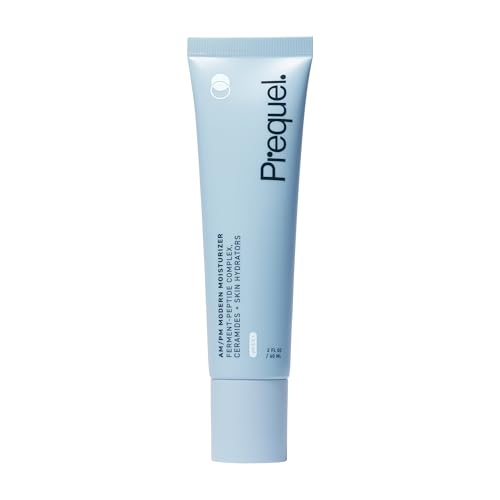
Prequel Skin Face Moisturizer Peptide Cream With Ceramides Glycerin Barrier

Lepique Retinol Night Cream (1.69 Fl Oz)

No7 Restore and Renew Night Cream (1.6 oz)

Onekind Night Moisturizer with Squalane, Rosehip & Shea Butter (1.7 oz)

DIME Restorative Night Cream with Ceramides, Peptides & Squalane (1.7 oz)
More On The Choices That Made The List
Barrier-first thinking drives this Prequel pick, and the ingredient list makes that clear. A ferment-peptide complex sits at the front, joined by glycerin, polyglycerides, and ceramides, which are fatty lipids that mimic your skin’s natural mortar. For shoppers whose faces sting from harsher actives, that combination reads as a slow rebuild rather than a quick fix.
You’ll find it absorbs without leaving a film, which matters if you layer a sleep mask or hate pillow transfer. Texture is closer to a medium lotion than a heavy balm, so oily or combination types in warm climates can still tolerate it. It also doubles as a daytime buffer under sunscreen, depending on your routine.
What Works In Its Favor
- Ceramides help rebuild the moisture barrier overnight, useful after retinol or exfoliating acids
- Ferment-peptide complex supports a calmer surface, a plus for reactive complexions
- Lightweight feel means it plays well under other products without pilling
- Glycerin pulls water into the skin, softening rough patches around the nose and chin
Things To Consider
- No jar size is stated, so value-per-ounce requires a careful look at the listing
- Peptide-led formulas can feel underwhelming the first week if you expect instant plumpness
- Owners commonly report a faint medicinal scent from the ferment, which fades quickly
Key Product Details
Who It Suits Best
Reactive, dry-to-combination shoppers who want barrier support without heavy fragrance or actives.
Consider Something Else When
Shoppers chasing an entry-level retinol will find the Lepique Retinol Night Cream a more direct match for that goal.
Retinol (a vitamin A derivative that speeds cell turnover) tends to scare sensitive shoppers, and rightly so at full strength. Lepique takes the cautious route with a 0.1% retinol concentration paired with centella, a plant extract known for soothing redness. That balance makes it a sensible first jar for anyone curious about retinol but worried about peeling.
You get a 1.69 fl oz jar, which is a reasonable middle ground for a multi-week trial. The cream leans rich without greasiness, so dry types will feel covered, while combination skin in cooler months can manage it without clogging. Compared to the Prequel pick above, this one trades barrier-only ingredients for an active that actually does something to texture over time.
What It Does Well
- 0.1% retinol is a sensible starting dose for cautious first-timers
- Centella helps offset the dryness and tightness retinol can cause
- Hyaluronic acid adds cushion so skin doesn’t feel stripped at dawn
- Collagen-focused formula targets early fine lines along the cheeks and forehead
Worth Noting
- Even at 0.1%, some sensitive users report mild flaking the first two weeks
- Daily SPF the next morning is non-negotiable once you add retinol to a routine
- The jar format exposes the formula to air, which can shorten its working life
Made For
First-time retinol users with reactive skin who want anti-aging support without aggressive peeling.
Swap It Out When
Shoppers who want purely hydrating, no-active care should reach for the Onekind Night Moisturizer instead.
No7 has been a familiar name at the drugstore end of skincare for years, and the Restore and Renew Night Cream leans into that reputation. The 1.6 oz jar holds a conditioning overnight formula designed to lift, firm, and even out tone while you sleep. For shoppers who want a name they recognize, this is a low-drama choice.
Sensitive skin will appreciate that the formula is built around nourishment rather than aggressive exfoliation. The texture sits between a cream and a soft butter, which suits dry, mature complexions best, though oilier types in summer may find it heavy. It also layers neatly under a richer eye cream for an extra-thirsty area around the orbital bone.
The Upside
- Established drugstore brand with broad retail availability for easy reordering
- Overnight firming focus targets the cheek and jawline area where early sagging shows
- Conditions skin while sleeping, so morning skin feels softer without a tight feeling
- Evening-out claims make it appealing for sun-spot prone complexions
Trade Offs
- Richer texture can feel heavy on combination or humid-climate skin
- Fragrance presence may bother highly reactive shoppers
- 1.6 oz is a smaller jar, so heavy nightly users will go through it quickly
Best Suited To
Mature shoppers with normal-to-dry skin who want a known, dependable overnight cream without active risks.
Look Elsewhere When
Vegans and cruelty-free loyalists may prefer the DIME Restorative Night Cream, which matches that ethic.
Squalane (a lightweight, skin-identical oil), rosehip, and shea butter form the backbone here, with vitamin E rounding out the antioxidant side. For dry, easily-flushed complexions, that combination reads like a comfort blanket at bedtime. The 1.7 oz jar is generous for the price band this cream usually sits in.
You’ll feel the richness the moment it touches skin, which can be a gift in winter and a small problem in summer. It absorbs slower than the Prequel option, so pillow transfer is real for the first twenty minutes. The formula targets fine lines and dark spots over time, though sensitive shoppers will mostly notice the soothing effect first.
Real Benefits
- Squalane mimics skin’s own sebum, so it sinks in without a greasy film
- Rosehip oil brings gentle antioxidant support for early fine lines
- Shea butter locks in moisture overnight, ideal in dry climates or heated rooms
- Built specifically for dry and sensitive complexions, with a minimal actives list
Points To Note
- Rich texture can feel heavy for combination or acne-prone skin
- Plant oils occasionally trigger breakouts in highly reactive users, so patch-test first
- Slow absorption means it can transfer onto pillowcases during the first hour
Who Will Love This
Dry, mature, or easily-flushed shoppers who want a rich, no-active overnight cream that prioritizes comfort.
Where Another Pick Suits Better
Shoppers who want barrier support plus peptides should look at the Prequel Skin Face Moisturizer above.
DIME packs a lot into a 1.7 oz jar, and that density is the point. Ceramides, peptides, squalane, sea buckthorn, jojoba oil, and shea butter share the formula, which positions it as a multi-concern cream for sensitive skin. Shoppers who want one jar to address dryness, fine lines, and uneven tone will read that list as efficient.
The vegan and cruelty-free framing matters if your routine follows those values, and the texture sits between a cream and a light butter. It absorbs faster than the Onekind option, which makes it a stronger pick for humid climates or combination skin. Compared to the No7 jar, this one lists more named actives on the front of the label, which can help you feel the spend is justified.
Bright Spots
- Multi-active formula targets fine lines, dryness, and pores in a single step
- Vegan and cruelty-free credentials match ethical-shopping priorities
- Sea buckthorn brings a vitamin-rich boost alongside squalane’s softening
- Jojoba and shea balance each other for a feel that isn’t too rich
Some Limits To Know
- Multiple actives in one jar can occasionally overwhelm very reactive skin
- The 1.7 oz size may run short for nightly full-face-and-neck use
- Peptides work slowly, so visible results often take six to eight weeks of steady use
Feature Snapshot
Perfect Match For
Sensitive-skinned shoppers with multiple concerns, including early fine lines and uneven tone, who want one multi-active jar.
Reach For A Different Pick When
Shoppers who specifically want a drugstore staple will feel more at home with the No7 Restore and Renew Night Cream.
What To Weigh Before Choosing A Night Cream For Sensitive Skin
Reading The Ingredient List Like A Pro
Sensitive skin rewards label-reading more than anything else. Ceramides and glycerin are steady, well-tolerated choices, while fragrances, essential oils, and denatured alcohol are common troublemakers worth scanning for. A short list of named, recognizable ingredients usually signals a formula designed with reactivity in mind.
Matching Texture To Climate And Skin Type
Cream weight affects how a product wears overnight. Rich textures like Onekind’s shea-butter blend suit dry skin in cold, low-humidity rooms, while lighter ceramide creams like Prequel’s work across seasons. Combination or oily skin often does better with medium-weight textures that absorb within a few minutes.
Deciding On Actives Versus Pure Hydration
Retinol, peptides, and exfoliating acids each carry a real risk of irritation at higher doses. A 0.1% retinol like the Lepique formula is a sensible starting point, but pure hydration is sometimes the smarter move when the barrier is already stressed. Most routines benefit from rotating one active night with one recovery night.
Key Considerations Across These Picks
Common Shopping Slip Ups
Sensitive-skinned shoppers often reach for the jar with the longest ingredient list, assuming more means better. In practice, shorter lists with recognizable ingredients tend to outperform crowded ones. Another trap is skipping the patch test, especially with plant-oil-rich formulas like the Onekind cream, which can occasionally trigger breakouts in skin that has never reacted before.
What The Higher Tier Buys
Stepping into a multi-active formula like the DIME Restorative Night Cream adds peptides, sea buckthorn, and a broader lipid mix, which can shorten the time before visible texture changes show. The cost shows up in ingredient sourcing and formulation work, and the upgrade is worth it when a routine already tolerates one active well. For brand-new sensitive routines, a barrier-first cream remains the safer first move.
Frequently Asked Questions
Can sensitive skin actually tolerate retinol?
Yes, but start with a low dose like the 0.1% in the Lepique cream, and limit use to two or three nights a week at first. Pair it with a ceramide-rich moisturizer the next morning to keep the barrier steady.
How long before a night cream shows results?
Hydration changes often show within a week, while peptide-led smoothing and tone-evening can take six to eight weeks of nightly use. Realistic expectations help sensitive routines stay consistent without over-applying.
Is fragrance always a deal-breaker?
Not always, but it is a common trigger for reactive skin. Fragrance-free options like the Prequel cream tend to be safer starting points when you are unsure of your tolerance.
Can I layer two night creams together?
Layering is possible but adds risk, especially for sensitive skin. A single well-matched cream is usually enough, with the option to spot-treat drier areas with a richer product on top.
Do vegan formulas work as well for sensitive skin?
Vegan status speaks to ingredient sourcing rather than tolerability, so results depend on the specific formula. The DIME cream shows that vegan credentials and a multi-active ingredient list can coexist without sacrificing comfort.
Closing Remarks
The right night cream for sensitive skin is less about chasing the longest ingredient list and more about matching formula to tolerance. Start with a barrier-first option if your skin is currently reactive, introduce actives like retinol only when your routine is stable, and patch test anything new before a full-face commitment. Your skin’s morning texture will tell you quickly whether the match is working.
