

Sifting through anti-aging jars on a crowded virtual shelf feels like guesswork after a long day. Most labels wave the same hero ingredients: retinol, peptides, ceramides, hyaluronic acid. The honest difference comes down to concentration, supporting cast, and how the formula behaves on real skin at 2 a.m. when your barrier is most vulnerable. This shortlist focuses on formulas that pull overnight double duty, hydrating deeply while nudging cell turnover or reinforcing the moisture barrier. Each pick below was chosen for a specific kind of user, from retinol first-timers to barrier-repair loyalists.
How The Shortlist Stacks Up

Lepique Retinol Night Cream Korean Premium Repair 1.69 Fl Oz

DIME Beauty Restorative Night Cream with Ceramides & Squalane

RoC Skin Barrier Renew Night Moisturizer Ceramides & Peptides 2.5 oz

MAREE Firming & Lifting Face Cream with Collagen & Retinol 1.7 Fl Oz
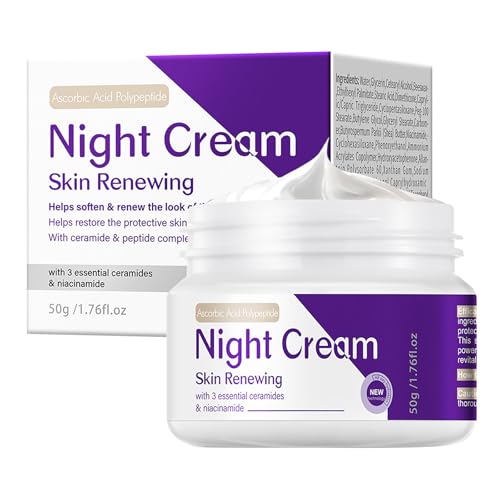
Skin Renewing Night Cream Niacinamide & Peptide Complex 1.76 fl oz
The Strengths Of Each Pick
Retinol newcomers often meet the same wall: peeling, redness, and a sting that pushes them back to a plain moisturizer within a week. Lepique keeps the retinol percentage at a starter 0.1%, which is a measured entry dose, then layers centella, collagen, and hyaluronic acid around it. The centella, a plant extract long used in Korean skincare for calming, helps soften the irritation that usually shows up in the first two weeks.
You get a 1.69 fluid ounce jar in a typical K-beauty airless or twist format, so the active stays protected from light and air. The trade-off is real: this is a slow builder, not a fast resurfacer. Most people who want overnight brightness from week one will probably want more than 0.1% retinol. Compared with the RoC jar further down, this one treats retinol as the supporting actor, not the headline.
Features That Help
- 0.1% retinol is a measured entry dose for skin that has never used retinoids before
- Centella extract buffers irritation so flaking stays minimal during the adjustment period
- Hyaluronic acid, a humectant that pulls water into the skin, keeps the surface hydrated while retinol does its work
- Collagen support rounds out a barrier-friendly overnight cocktail
Worth Noting
- 0.1% retinol may feel too gentle for experienced users who have already built tolerance
- Owners commonly report the jar size runs out within roughly six to eight weeks of nightly use
Right Fit For
Anyone in their late 20s to 40s just starting a retinol routine and worried about redness or peeling.
Skip It When
Your skin already tolerates stronger retinoids; the RoC pick will feel more useful in that case.
Where the Lepique leans on retinol, the DIME Restorative Night Cream leaves actives out and leans into the lipid layer. Ceramides, which are waxy molecules naturally found between skin cells, and squalane, a plant-derived oil that mimics human sebum, do the heavy lifting here. The 1.7 ounce jar also brings in peptides, sea buckthorn, and shea butter, giving the formula a richer feel that barrier-fatigued skin usually appreciates.
The formula reads as vegan and cruelty-free, which matters to shoppers who filter by those values. It is the kind of cream that makes a dull, tight face feel cushioned by morning. You won’t get exfoliation from this jar, since there’s no retinol or acid in the lineup. If your main concern is moisture and visible plump rather than turnover, this lands closer to the target than the retinol-forward Lepique.
Where It Excels
- Ceramide and squalane duo reinforces the lipid barrier without any exfoliating sting
- Sea buckthorn adds a small antioxidant bonus that supports overnight recovery
- Plant-forward ingredient list fits a vegan or fragrance-averse routine
- Rich texture suits dry and reactive skin that has stopped tolerating harsher actives
Points To Keep In Mind
- No retinol or exfoliating acid, so fine line work happens slowly if at all
- The richer cream may feel heavy on oily or humid-climate skin during summer
Best Suited To
Dry, mature, or reactive skin that needs a cushion of moisture more than a resurfacing push.
Look Elsewhere When
You want visible line-smoothing from a retinol; the Lepique at slot one fits that goal better.
RoC built its name in retinoid research, so a barrier-focused jar feels like a deliberate pivot. The Skin Barrier Renew Night Moisturizer uses three barrier-essential building blocks, including ceramides, green tea antioxidants, and lipo-peptides, which are peptide molecules attached to a lipid tail so they sink deeper into the skin. The 2.5 ounce size is the largest jar in this shortlist, which matters for anyone applying cream to face and neck nightly.
The brand frames the formula as safe for sensitive skin and positions it as a fourteen-night barrier reset. That positioning is appealing if your skin has been stripped by over-exfoliation, harsh climates, or too many actives stacked at once. Unlike the DIME jar, this one leaves out richer oils, so it lands lighter on the surface. The honest read is that you get barrier repair and antioxidant support in one step, without paying for an active you may not need.
Useful Touches
- Ceramide, peptide, and green tea stack targets three barrier pillars in one step
- 2.5 oz jar outlasts smaller competitors, which lowers the per-night cost over time
- Lipo-peptide design may help active ingredients reach deeper skin layers
- Formulated for sensitive skin, so irritation risk stays low during nightly use
Room For Improvement
- No retinol, so texture and fine line work happen gradually rather than visibly
- The lighter texture may not satisfy very dry skin in winter without an added facial oil
Who Should Grab It
Anyone rebuilding a compromised barrier or layering too many actives and needing a reset cream.
Reach For A Different Pick When
You want a richer, plant-oil-driven overnight feel; the DIME Beauty Restorative Night Cream is a better match.
Most night creams in this category ask you to commit to PM-only use. The MAREE jar blurs that line by advertising day-and-night versatility, which suits anyone who wants a single jar on the counter rather than two. Inside the 1.7 fluid ounce container sit retinol, marine collagen, a peptide complex, four types of hyaluronic acid, niacinamide, and squalane. That’s a busy ingredient list, but the throughline is hydration plus a soft retinol nudge.
You may find this cream a smart choice when the routine is two minutes long, since one jar does double duty. The trade-off is that no single active is dosed at the high end. If you want serious resurfacing or a clinical-strength barrier rebuild, neither extreme is the focus. Think of it as a sensible generalist rather than a specialist, which is the honest read for a multi-claim product.
What Earns Its Place
- One jar covers both AM and PM, simplifying routines and counter space
- Four-weight hyaluronic acid system layers hydration at different skin depths
- Niacinamide adds a brightening effect that supports an even-toned look over weeks
Honest Caveats
- Retinol concentration sits in a middle lane, so the line-smoothing payoff shows up gradually
- The long ingredient list may frustrate shoppers who prefer shorter, transparent formulas
Whose Shelf It Belongs On
Busy routines that want one dependable cream covering day and night, especially in drier climates.
Swap It Out When
You want a focused barrier reset or a true PM-only retinol; the RoC and Lepique picks each serve those needs.
For shoppers who break out at the word “fragrance” on a label, this 1.76 fluid ounce jar from DIKAYI lands in a useful middle ground. The formula is fragrance-free, non-comedogenic (meaning it won’t clog pores), and built around three core ceramides, a peptide complex, niacinamide, and hyaluronic acid. The brand positions it as suitable for all skin types, which is a useful framing for shared bathrooms where skin needs vary.
You won’t find retinol in this jar, so the night work is purely restorative rather than resurfacing. The peptide-and-niacinamide pairing targets fine lines and elasticity over time, which is a slower path than the Lepique approach. Owners commonly report that the texture absorbs without leaving a sticky film, which makes it a friendly choice if you hate the feeling of heavy cream on your pillow.
The Value In It
- Fragrance-free formula reduces irritation risk for reactive or sensitized skin
- Three-ceramide blend mirrors skin’s own lipid structure for steady overnight repair
- Lightweight texture absorbs fast, so it plays well under pillowcases and morning SPF
Less-Strong Areas
- No retinol means visible resurfacing takes longer than with the Lepique jar
- Lightweight feel may not satisfy very dry skin without a layered facial oil
Perfect Match For
Sensitive, combo, or first-time anti-aging users who want a fragrance-free, all-types formula.
Where A Sibling Pick Shines
You need a richer PM moisture hit; the DIME Beauty Restorative Night Cream delivers that depth.
What To Weigh Before Picking A Night Cream
Start with your skin’s current state, not the marketing copy. A compromised barrier signals toward ceramides and peptides, the lipid-mimicking ingredients in the DIME and RoC jars, rather than a hard retinol push. Skin that has tolerated actives well for years can usually handle a stronger retinoid, which makes the Lepique starter dose feel too gentle. The honest decision tree reads: barrier first, active second, fragrance profile third.
Ingredient stacking matters more than ingredient count. Retinol, vitamin C, and exfoliating acids all work, but layering them nightly invites peeling and redness. Most dermatologists recommend introducing one new active at a time, two weeks apart, so you can read what your skin is actually doing. A jar like the MAREE that mixes several actives works best on skin that has already proven it tolerates the category.
Texture and climate pull more weight than people expect. Rich creams behave differently in dry winter apartments than in humid summer months, and a heavier jar can feel suffocating on oily skin. Patch testing on the jawline for three nights, which means dabbing a small amount on a limited area before full-face use, beats guessing. Match the formula to your environment, not the other way around, and your jar will actually finish.
Jar size and finish time also shape long-term satisfaction. The 2.5 ounce RoC outlasts the smaller 1.7 ounce options, which lowers the per-night cost over months. How fast a cream absorbs matters too, since anything that pills under a pillow tends to get abandoned by week three. Consider your habits, not just your skin, when narrowing the field.
Key Considerations Across These Picks
Pitfalls Shoppers Hit
A common mistake is reaching for the highest-strength retinol on the shelf, expecting visible results in a week, then abandoning the jar when peeling shows up on day five. Start lower and stay consistent. Another misstep is layering multiple new actives at once, which makes it impossible to identify which one caused a reaction. Introduce one product at a time, give it two weeks, then judge. Skipping SPF during the day also undermines any retinol routine, since fresh skin is more vulnerable to UV damage.
Where The Extra Money Goes
Premium night creams often justify their cost through clinical testing, patented peptide systems, or airless packaging that protects fragile actives. The RoC jar, for instance, invests in a lipo-peptide delivery system rather than a standard peptide. Higher tiers also tend to skip fragrance and essential oils, which is meaningful for sensitive skin. Whether the upgrade pays off depends on how your skin responds to the supporting formulation, not the price alone.
Frequently Asked Questions
How long until a night cream shows results on aging skin?
Most barrier-supporting creams soften and hydrate within one to two weeks. Fine line and elasticity changes typically need eight to twelve weeks of consistent nightly use before any visible shift appears.
Can retinol and peptides be used in the same routine?
Yes, since they work on different pathways. Retinol accelerates cell turnover while peptides signal collagen production. Apply the peptide cream first, then a retinol product, and watch for sensitivity during the first two weeks.
Is fragrance-free necessary for mature skin?
Not strictly, but fragrance is a common trigger for irritation, especially on skin that thins with age. A fragrance-free formula like the DIKAYI jar reduces avoidable risk.
Do I still need a separate day cream with a day-and-night formula?
It depends on your climate and skin type. In dry winter months, a richer PM layer still helps. In humid summers, a single multi-use cream may be enough.
Should I exfoliate while using these night creams?
Light exfoliation once or twice a week is fine, but daily acid use alongside retinol often backfires. Build slowly and let your skin guide the cadence.
Final Takeaway
The right night moisturizer matches your skin’s current state, not the trendiest ingredient on social media. Barrier-tired skin benefits from ceramides and peptides, while retinol-tolerant skin can handle a stronger resurfacing push. Use this shortlist as a starting point, patch test every new jar, and give each formula at least four weeks before deciding. Consistency, more than any single cream, drives the long-term change you’re after.
