

Low-porosity strands shed water and product quickly, so heavy oils tend to sit on the surface, drag the hair down, and leave a dull film. Curly, coily, and tightly textured textures often fall into this category, and the wrong oil makes wash day feel like a wasted effort. Lightweight, fast-absorbing oils and targeted scalp blends give moisture where it counts without smothering the cuticle. These six picks cover leave-in treatments, single-ingredient argan options, and scalp-focused formulas built for strands that resist hydration.
Your Options, Compared

African Pride Moisture Miracle 5 Essential Hair Oils, 8 Oz

Fino Premium Touch Smoothing and Moisturizing Leave-In Hair Oil

Yoken USDA Argan Oil 4oz with Dropper

Yoken USDA Argan Oil 8oz Cold Pressed

Yoken Organic Moroccan Argan Oil 16oz
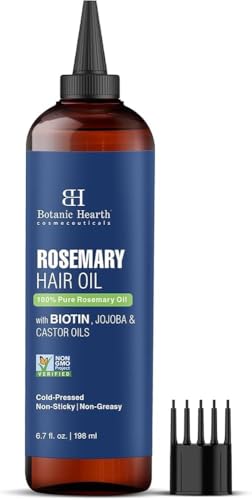
Botanic Hearth Rosemary Oil for Hair Growth 6.7 Fl oz
Why These Options Stand Out
Low-porosity strands often need a blend rather than a single oil, and African Pride’s Moisture Miracle mixes several in one bottle for scalp-and-strand treatment. The 8-ounce size runs through a month of regular scalp massages for most routines, making it a steady daily driver. Compared to single-ingredient picks later in this list, the multi-oil formula brings a wider nutrient spread to strands that resist hydration.
The blend leans toward lightweight carriers rather than heavy butters, so for most coily textures, it sinks in during a warm-oil treatment without sitting on top.
Reasons It Performs
- Multi-oil blend targets dryness at the scalp, which is often where low-porosity hair needs the most help
- Light enough to work as a pre-shampoo hot oil treatment under a plastic cap
- 8-ounce bottle is a manageable size for someone building a routine without overspending
- Works on edges, ends, and the scalp in one pass, cutting down product clutter on the shelf
Trade Offs
- The blend contains added fragrance, which can bother sensitive scalps in some users
- Heavier than a single-ingredient argan, so a little goes a long way on fine low-porosity strands
Made For
Anyone with coily, low-porosity hair dealing with scalp dryness and looking for one bottle that covers pre-wash and finishing needs.
Look Elsewhere When
Shoppers who want a fragrance-free single oil should reach for the Yoken 4oz Argan Oil, which uses a simpler dropper-bottle format.
Fino Premium Touch comes out of the Japanese haircare tradition, where leave-in oils are usually formulated to be feather-light and intensely smoothing. For low-porosity hair that tends to feel rough rather than thirsty, the goal is cuticle sealing rather than deep saturation, and this oil handles that job. It differs from the multi-oil African Pride in the first slot by focusing on finishing rather than scalp treatment.
A tiny amount rubbed between the palms and smoothed over the lengths after washing is generally all it takes to fight frizz without weighing the style down.
Practical Pluses
- Light, smooth finish that flatters low-porosity hair which rejects heavy products
- Works well as a finishing step after a leave-in conditioner for added shine
- Imported by SalonTop, so it’s a familiar find for shoppers who already trust the line
- Helps reduce breakage from combing on dry, rough lengths
Points To Keep In Mind
- It is a finishing oil, not a deep treatment, so scalp-focused routines may need a second product
- The squeeze bottle can over-dispense, and over-applying tends to leave fine hair looking flat
Right Fit For
Anyone with low-porosity lengths prone to frizz and dullness who wants a smooth, polished finish without heavy buildup.
Skip It When
Shoppers who want scalp-soothing benefits should consider African Pride Moisture Miracle, which targets the scalp more directly.
Argan oil is the classic recommendation for low-porosity hair because of its light texture and high vitamin E content. The Yoken 4oz bottle ships in a dropper format, which makes measured application on fine strands far easier than pouring from a larger bottle. This size works for people who want to share the bottle between hair, scalp, and skin without committing to a full liter.
Cold pressing, meaning oil extracted without added heat, helps preserve the fatty acids that give argan its softening effect, so shoppers can expect a fairly pure result from this pick.
Strengths Worth Knowing
- Cold-pressed extraction preserves the nutrients that make argan effective on rough low-porosity hair
- Dropper top keeps portions small, which matters when heavy oils overload fine strands quickly
- 4oz size is great for first-time buyers who want to test argan before scaling up
- Versatile enough to use on the face and body, not just hair
Worth Noting
- Smaller bottle means a higher per-ounce cost compared to the 8oz and 16oz Yoken sizes
- Dropper can clog in cooler bathrooms, a small maintenance quirk owners commonly mention
Quick Facts
Whose Shelf It Belongs On
Beginners testing argan for the first time, or anyone who wants a multi-use bottle small enough to travel with.
Swap It Out When
Daily argan users will save money stepping up to the Yoken 16oz Organic Moroccan Argan Oil, which offers the same base ingredient in a larger bottle.
For shoppers who finished a 4oz bottle and want to keep using argan without jumping to bulk, the 8oz version hits the middle ground. It carries the same cold-pressed, unrefined profile as the smaller Yoken, just in a more economical package. The bottle is a step up from the 4oz for households where more than one person borrows the oil for skin or nails.
Low-porosity hair responds well to consistent small doses of argan over time, so an 8oz supply keeps the routine steady for several weeks of regular use.
Where It Excels
- Mid-size format offers a noticeable per-ounce saving over the 4oz Yoken
- Cold-pressed and unrefined, so the oil keeps its natural golden tone and scent
- Works for daily sealing on low-porosity lengths without heaviness
- Large enough for a couple to share, which helps in shared bathrooms
Some Limits To Know
- Standard cap rather than a dropper, so measuring small amounts takes more care
- Bottle size can feel bulky on smaller vanities
Who Should Grab It
Regular argan users who finished the 4oz version and want a longer-lasting supply without committing to the 16oz bulk bottle.
A Better Fit Elsewhere
Travelers and gym-bag stashes will find the Yoken 4oz with dropper easier to carry and dose.
The 16oz Yoken is the bulk option in the line, suited to households that go through argan quickly across hair, face, and body. For low-porosity hair, the appeal is the same light, fast-absorbing feel as the smaller Yoken bottles, just in a longer-lasting format. Organic sourcing puts this pick in line with shoppers who look for non-GMO, fragrance-free options.
Decanting a portion into a smaller dropper bottle is a common workaround for the bulk size, so shoppers don’t have to pour straight from a 16oz container onto fine strands.
The Value In It
- Lowest cost per ounce in the Yoken argan line
- Organic, cold-pressed, and fragrance-free, which suits reactive scalps
- Multi-use across hair, face, and skin stretches the bottle even further
- Lasts through months of regular low-porosity hair routines
Where It May Fall Short
- Large bottle can be awkward for solo users who only need a few drops at a time
- Pour-style cap requires a secondary dropper bottle for precise application
- Takes up significant shelf space in smaller bathrooms
Built With In Mind
Frequent argan users, families, or anyone who wants to split one bottle across hair and skincare routines.
Reach For A Different Pick When
Solo users with fine low-porosity strands will get more control from the Yoken 4oz with dropper, which offers easier portioning.
Rosemary oil has earned attention for scalp-focused routines, and Botanic Hearth’s 6.7oz bottle leans into that trend with a cold-pressed formula aimed at follicle support. For low-porosity hair, the scalp is often where moisture gets stuck or where buildup collects, so a stimulating oil applied in small amounts can refresh the area without coating the lengths. It’s a different angle from the smoothing and argan picks earlier in this list.
A few drops massaged into the scalp a couple of times per week is the typical use pattern, with most of the work happening at the root rather than the strand.
Bright Spots
- Rosemary focus is a sensible match for low-porosity scalps that feel sluggish or dry
- Cold-pressed base helps preserve the active compounds in the oil
- 6.7oz size fits comfortably into a weekly scalp routine without running out quickly
- Doubling as a pre-worm scalp treatment before shampooing
Honest Caveats
- Stronger herbal scent than the lighter argan picks, which may not suit everyone
- Best used sparingly, so the bottle benefits from a small dropper or decanting setup
Feature Snapshot
Who It Suits Best
Anyone with low-porosity hair whose main concern is scalp health and who enjoys herbal scents in their routine.
Not Your Match When
Shoppers wanting a fragrance-free single-ingredient should consider the Yoken 8oz Argan Oil, which keeps the scent profile neutral.
What Matters Most Before Choosing oil low porosity hairs
Low-porosity hair has tightly closed cuticles, which is the outer protective layer of each strand. Moisture and oils sit on top rather than soaking in, so heavy butters, coconut oil, and dense balms tend to cause buildup. Lightweight oils like argan, grapeseed, and jojoba penetrate better and rarely overwhelm the strand.
For coarser low-porosity textures, the scalp often needs more attention than the lengths. A multi-oil scalp treatment such as the African Pride Moisture Miracle works well for pre-wash routines, while pure argan oil supports daily sealing. Scalp-stimulating oils like rosemary are worth considering for sluggish follicles, though they should be used sparingly.
Texture matters too. Fino Premium Touch fits smoother, frizz-prone lengths that need cuticle sealing without weight. Pure argan from Yoken offers flexibility for hair, skin, and nails, which makes it appealing for shoppers who want one bottle across routines. Bottle size and applicator style change the experience more than most expect, with dropper formats being easier to dose on fine strands.
The honest read: low-porosity routines do best with light oils in small amounts, used consistently, rather than rich products in heavy doses.
Quick Mistakes Worth Dodging Before You Buy
Common Shopping Slip Ups
Many shoppers grab the richest oil they can find, assuming thicker equals more moisturizing. On low-porosity hair, that approach usually backfires, since heavy oils sit on the cuticle and trap buildup. Lightweight picks like argan and jojoba handle this category better than butters or coconut-based blends.
Another common slip is buying a large bottle without a way to dispense small drops. A 16oz bulk size is great value, but fine strands only need a few drops at a time, and over-applying can leave hair flat and greasy. A separate dropper bottle is a useful add-on for bulk buyers.
When Paying More Pays Off
Premium-tier oils in this category usually spend the extra money on cold pressing, organic sourcing, and tighter purity standards. Those steps preserve the fatty acids and antioxidants that actually help low-porosity hair, and they often mean fewer additives that could cause buildup. The upgrade makes sense for daily users who notice their hair responding better to simpler formulas, though casual users can do fine with entry-level argan.
Frequently Asked Questions
What is low-porosity hair, and why does it need special oils? Low-porosity hair has tightly closed cuticles that resist absorbing moisture, so heavy oils sit on the surface. Lightweight oils like argan absorb better and avoid the greasy buildup heavier products leave behind.
Can coconut oil work on low-porosity hair? Coconut oil tends to sit on top of low-porosity strands and cause buildup over time. Argan, jojoba, or grapeseed are usually safer picks for this hair type.
How often should oil be applied to low-porosity hair? Most routines do well with small amounts two to three times per week, depending on scalp needs. Daily use can lead to buildup, so lighter and less frequent tends to work better.
Is argan oil safe for color-treated low-porosity hair? Argan oil is generally gentle and won’t strip color when used in small amounts. It also helps seal the cuticle after washing, which can support color longevity.
Should oil be applied to wet or dry hair? Applying oil to damp hair after washing tends to seal in moisture more effectively. Dry application works for finishing and frizz control but uses more product for the same effect.
