

Oily skin has a way of announcing itself by mid-morning: shine along the T-zone, foundation sliding off, a vague sticky feeling that no amount of blotting papers fully solves. The right cleanser changes that daily rhythm, cutting through sebum without stripping the barrier or leaving a tight, dry feeling behind. This lineup covers gels, foams, oils, serums, and targeted patches from skincare lines known for oil-control chemistry. Each pick here addresses a different frustration, from stubborn congestion to midweek breakouts, so there’s a sensible match for most skin types and routines.
The Leading Options At A Glance
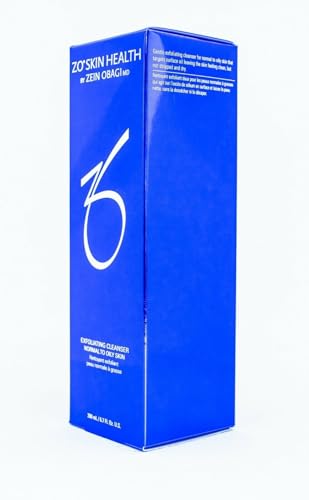
ZO Skin Health Exfoliating Cleanser (200mL)

FarmHouse Fresh C the Future Foam Cleanser

La Roche-Posay Effaclar Salicylic Acid Serum

ANUA Double Cleansing Duo

Anua Heartleaf Quercetinol Pore Foam

La Roche-Posay Effaclar Hydrocolloid Patches

Anua Heartleaf Pore Control Cleansing Oil
Inside Each Recommended Option
ZO Skin Health built this exfoliating cleanser for normal-to-oily complexions that tolerate active ingredients, and the 200mL bottle is sized for a few months of twice-daily use. The formula targets excess sebum, surface buildup, and early signs of laxity in a single wash, so it doubles as a cleanser and a mild resurfacer. Where the FarmHouse Fresh foam leans gentle, this one is more direct: it works best on skin that can handle a daily chemical exfoliant without flaking or tightness.
For someone who wears light makeup or sunscreen daily, it removes the day’s residue without a separate first step. The trade-off shows up in drier or reactive skin, which may find the resurfacing action too frequent at twice-daily use.
Everyday Perks
- Combines cleansing and gentle exfoliation in one step, saving counter space and routine time.
- Targets oil, buildup, and early texture concerns in a single wash.
- 200mL bottle typically lasts a few months with daily use.
- Designed for normal-to-oily skin, so it won’t over-deliver actives for drier complexions.
Things To Consider
- Daily exfoliation may feel too frequent for sensitive or recently sensitized skin.
- Lacks the brightening acid blend found in the FarmHouse Fresh foam option.
Key Specs
Right Fit For
People with resilient, oily skin who want a daily cleanser that also resurfaces without adding a separate acid step.
A Better Fit Elsewhere
Sensitive or reactive skin will find the Anua Heartleaf Quercetinol Pore Deep Cleansing Foam gentler for daily morning use.
FarmHouse Fresh’s foaming wash squeezes three familiar acids into a 1.7 fl oz bottle: hyaluronic acid for hydration, vitamin C for brightness, and glycolic acid, an alpha-hydroxy acid (AHA) known for lifting dead cells from the skin’s surface. The small size makes it a natural fit for gym bags, carry-on kits, and overnight trips, where dragging a full-size bottle feels wasteful. The label notes it works across skin types but is especially suited to oily and combination complexions.
Compared to the ZO Skin Health exfoliating cleanser, this foam takes a softer, multi-ingredient approach rather than a single-focus resurfacing formula. The catch is the small bottle: heavy daily users will burn through it quickly, so it’s better positioned as a travel companion or a second cleanser rather than a household staple.
A Strong Showing
- Three acids in one foam address oil, dullness, and dryness simultaneously.
- Compact 1.7 fl oz size fits carry-on liquids and gym bags without bulk.
- Suitable across skin types, especially oily and combination complexions.
- Foaming texture lathers quickly, which speeds up a rushed morning routine.
Worth Noting
- Small bottle size means frequent repurchasing for daily home use.
- Vitamin C and glycolic acid in one formula can feel active for very sensitive skin.
Made For
Frequent travelers and gym-goers who want a multi-acid foam that fits a small kit and handles oily or combination skin in one step.
Consider Something Else When
Home-only routines that need a full-size bottle will be better served by the Anua Heartleaf Quercetinol Pore Deep Cleansing Foam in its 5.07 fl oz size.
Technically a serum rather than a face wash, the Effaclar treatment earns a spot here because it functions as a leave-on refining step that pairs with any cleanser in this roundup. The formula layers three actives: lipo-hydroxy acid (LHA), a salicylic acid derivative with gentler, slower exfoliation; glycolic acid, the well-known AHA workhorse for cell turnover; and hyaluronic acid for moisture balance. It targets visible pores, fine lines, and surface texture in one product.
Used after a basic cleanse, the serum extends the routine without complicating it. The honest read is that it sits between treatment and skincare, so first-timers may need a moment to understand layering order. Owners with very oily, acne-prone skin often layer it under moisturizer at night, while those with mixed complexions apply it only to the T-zone.
Advantages To Know
- Three actives target pores, texture, and fine lines in a single leave-on step.
- Salicylic acid derivative (LHA) exfoliates more gradually than pure salicylic acid, which can feel less aggressive.
- Hyaluronic acid helps offset potential dryness from the acid blend.
- Works under moisturizer and sunscreen, fitting into most routines without extra steps.
Trade Offs
- Not a rinse-off cleanser, so it adds a step rather than replacing one.
- Three-actives formula can feel layered for skin new to chemical exfoliation.
Best Suited To
People with visible pores, uneven texture, and early fine lines who already cleanse daily and want a leave-on acid treatment to layer on top.
Look Elsewhere When
Anyone wanting a single rinse-off product should default to the ZO Skin Health Exfoliating Cleanser for normal-to-oily skin instead.
ANUA’s duo packages a Korean-style two-step routine into one set: an oil cleanser to dissolve makeup, sunscreen, and excess sebum, followed by a foam cleanser for a deeper water-based cleanse. The oil features heartleaf extract alongside a proprietary non-comedogenic oil blend at 10,000ppm (parts per million), while the foam relies on quercetinol and 33% heartleaf extract. Neither formula includes added fragrance, which suits sensitive noses and reactive skin.
Compared to the Effaclar serum, this duo replaces the active-acid step with a two-stage mechanical cleanse, ideal for evenings after heavy SPF or foundation. The trade-off is routine length: a double cleanse takes more time than a single wash, which may not appeal to rushed mornings.
The Good Stuff
- Two-step format removes makeup, sunscreen, and sebum in a single evening routine.
- Heartleaf extract appears in both formulas, reinforcing a calming, low-irritation profile.
- No added fragrance in either step, useful for sensitive or reactive skin.
- Non-comedogenic design supports acne-prone complexions that clog easily.
Honest Caveats
- Two-step routine takes longer than a single wash and may feel excessive for lazy evenings.
- Heartleaf-based formulas can feel too gentle for skin wanting a stronger acid kick.
Feature Snapshot
Who It Suits Best
Daily makeup and sunscreen wearers who want a structured evening routine without sourcing two separate cleansers.
Not Your Match When
People who prefer a single morning cleanse will find the Anua Heartleaf Pore Control Cleansing Oil alone more efficient as a first step.
ANUA’s standalone foam shares the heartleaf DNA with the duo but skips the oil step, making it a strong single-wash option for mornings. The formula pairs the brand’s Anti-Sebum P ingredient with hyaluronic acid and a soft bubble texture, designed to clear excess sebum and impurities without leaving a stripped, tight finish. At 5.07 fl oz, the bottle covers several weeks of twice-daily use.
Where the La Roche-Posay Effaclar serum goes after the cleanse to refine texture, this foam stays in the wash step and handles oil and pore concerns there. The trade-off is foam texture: people used to a creamy, low-lather cleanser may find the bubbles a touch airy at first.
Useful Strengths
- Anti-Sebum P targets excess sebum at the source, not just on the surface.
- Hyaluronic acid helps maintain hydration through the cleanse.
- 5.07 fl oz size handles daily morning and evening use for several weeks.
- Suitable for oily and combination skin, per the brand’s positioning.
Points To Note
- Foam texture can feel lighter than creamy cleansers for those used to richer washes.
- Doesn’t address stubborn makeup the way the ANUA Double Cleansing Duo does.
Whose Shelf It Belongs On
People with oily or combination skin who want a once-daily or twice-daily foam that handles sebum without stripping the barrier.
Reach For A Different Pick When
Heavier makeup or sunscreen routines will benefit from pairing this foam with the Anua Heartleaf Pore Control Cleansing Oil as a first step.
These aren’t a cleanser in the traditional sense. The Effaclar patches are a leave-on spot treatment, included here because oily skin rarely behaves as a full-face problem. A 22-count box of 420-micron hydrocolloid patches (hydrocolloid is a gel-like material that absorbs fluid) sits on the skin to draw out excess oil and gunk from individual blemishes, both day and night, even under makeup. The thin profile helps them blend in without the visible-edge look common to thicker patches.
Used alongside one of the cleansers above, patches handle the breakout-when-it-happens reality that no wash fully prevents. The honest read: these work best as a complement, not a substitute, for a daily cleansing routine.
Everyday Wins
- Hydrocolloid material absorbs fluid from active blemishes overnight or during the day.
- 420-micron thickness creates a low-profile patch that sits well under makeup.
- 22-count box covers several weeks of spot treatment for occasional breakouts.
- Works as a day-and-night option, so the routine doesn’t need a separate nighttime product.
Practical Considerations
- Patches treat individual blemishes rather than oil or pore concerns across the face.
- 22-count supply runs out quickly for chronic, full-face breakout patterns.
Key Product Details
Who Should Grab It
Anyone dealing with occasional surprise breakouts who wants a low-profile patch that works day or night under makeup.
Swap It Out When
Chronic, widespread oil and congestion need a full-face cleanser like the Anua Heartleaf Quercetinol Pore Deep Cleansing Foam first.
The Heartleaf Pore Control Cleansing Oil is ANUA’s entry-level oil cleanser and a sensible first step into the Korean double-cleansing method. At 6.76 fl oz, the bottle is generously sized for daily evening use. The lightweight formula dissolves makeup, sunscreen, and sebum in one pass, then rinses away without leaving a greasy film. The brand’s clinical data references a 22.8% change in sebum amount over time, which is meaningful for anyone tracking oil production beyond a single wash.
Pairing it with a follow-up foam (the ANUA duo or the standalone Heartleaf Quercetinol foam) completes the routine. On its own, the oil may leave behind a soft residue for those who prefer a fully matte finish after cleansing.
Why It Works Well
- Lightweight oil texture dissolves makeup, sunscreen, and sebum in one step.
- 6.76 fl oz size covers several weeks of evening use.
- Brand clinical testing cites a 22.8% change in sebum amount, useful for tracking oil production.
- Rinses clean without a heavy film, supporting a glass-skin finish.
Soft Spots
- Works best as a first step rather than a standalone cleanser for oily skin.
- Lightweight oil texture may not feel substantial enough for those used to balm cleansers.
At A Glance
Perfect Match For
Beginners exploring Korean skincare routines who want a single oil cleanser that pairs with a foam follow-up for the evening.
Another Choice May Suit
Travelers wanting an all-in-one solution may prefer the FarmHouse Fresh C the Future Foam Cleanser, which combines multiple acids in a single rinse-off step.
What To Weigh Before Choosing An Oily Skin Cleanser
Oily skin rarely needs the strongest possible formula. In most cases, a cleanser that removes sebum without disturbing the moisture barrier delivers better long-term results than a harsh wash that leaves skin tight. Active ingredients matter, but so does how the formula feels after rinsing, because overuse of strong surfactants (the cleansing agents that create lather) can push the skin into producing more oil to compensate.
The best oily skin cleansers balance three things: a surfactant system strong enough to lift sebum and SPF, a pH close to the skin’s natural range (slightly acidic, around 4.5 to 5.5) to avoid disrupting the acid mantle, and a supporting cast of ingredients that hydrate, soothe, or mildly exfoliate. The wrong cleanser is one that achieves the first job but fails the other two.
Active Ingredients Worth Understanding
Salicylic acid is a beta-hydroxy acid (BHA) that penetrates oil inside pores, making it especially useful for blackheads and congestion. Glycolic acid, an AHA, works on the skin’s surface to speed up cell turnover and brighten texture. LHA is a slower-releasing derivative of salicylic acid that exfoliates with less sting. Hyaluronic acid draws in water, which helps counterbalance the drying effect of stronger actives.
Single Wash Versus Double Cleanse
A single daily cleanse works for low-SPF days and minimal makeup. Heavy sunscreen, foundation, or a long day outside usually calls for a two-step approach: an oil or balm first, then a water-based foam or gel. The double cleanse isn’t about being thorough for thoroughness’s sake; it’s about giving each step a specific job.
Texture And Routine Fit
Foam, gel, cream, and oil cleansers all serve different preferences. Foam feels light and rinses fast, which suits busy mornings. Gel textures often deliver a deeper clean without the airy bubbles. Oils and balms excel as first steps but require a follow-up. Picking a texture that matches the routine, not just the skin type, makes the habit easier to keep.
Key Considerations Across These Picks
Where Shoppers Go Wrong
A common slip is choosing a cleanser based purely on how stripped the skin feels after rinsing. That tight, squeaky sensation usually signals that the surfactant system has removed too much of the skin’s natural moisture, prompting rebound oil production over the next several hours. Another mistake is layering multiple strong acids in the same routine, such as a salicylic cleanser plus a glycolic serum plus a vitamin C treatment, which can compound irritation without improving results. Patch-testing new actives, and rotating rather than stacking, tends to be more sustainable.
What The Higher Tier Buys
Stepping up to a more concentrated formula, or a dedicated double-cleansing set, generally pays off in two ways: more targeted active ingredients at effective concentrations, and packaging designed for daily use rather than travel. The trade-off is that premium options can outpace what a basic routine actually needs. For oily skin without persistent breakouts, a well-formulated mid-tier cleanser often performs as well as a prestige alternative. The upgrade is most meaningful for skin that hasn’t responded to simpler formulas, or for routines that demand both morning and evening specificity.
Frequently Asked Questions
How Often Should Oily Skin Be Cleansed?
Twice daily is a reasonable baseline, with an optional gentle rinse or micellar water step after heavy sweating. Over-cleansing, especially with hot water and strong surfactants, can push the skin to overproduce sebum in response.
Are Foaming Cleansers Better For Oily Skin?
Foaming cleansers lift sebum efficiently and rinse clean, which suits oily skin well. The texture alone doesn’t determine effectiveness; the surfactant strength and supporting ingredients matter more than the bubbles.
Can An Oily Skin Cleanser Cause Dryness?
Yes, especially formulas with high concentrations of salicylic acid, glycolic acid, or harsh sulfate-based surfactants. Pairing a stronger active cleanser with a hydrating serum or moisturizer helps offset any tightness after rinsing.
Is Double Cleansing Necessary For Oily Skin?
Double cleansing becomes useful when sunscreen, foundation, or a long day leaves residue a single wash can’t fully remove. On lighter days, a single cleanse is enough.
When Should A Leave-On Treatment Replace A Cleanser?
Leave-on treatments like the La Roche-Posay Effaclar serum work alongside a cleanser rather than replacing it. They address texture and pore concerns over time, while a cleanser handles the daily job of removing buildup.
