

Thinning edges, brittle ends, and slow growth are frustrating problems, and most people fighting them want something simple that fits into an existing wash-day routine. Olive-based treatments have stuck around for decades because they condition deeply without requiring a chemistry degree to use. This shortlist covers eight options spanning pure carrier oils, blended growth formulas, sprays, lotions, and classic hair dressings, so you can match a product to your texture, your schedule, and how much mess you’re willing to tolerate on your pillowcase.
The Shortlist At A Glance
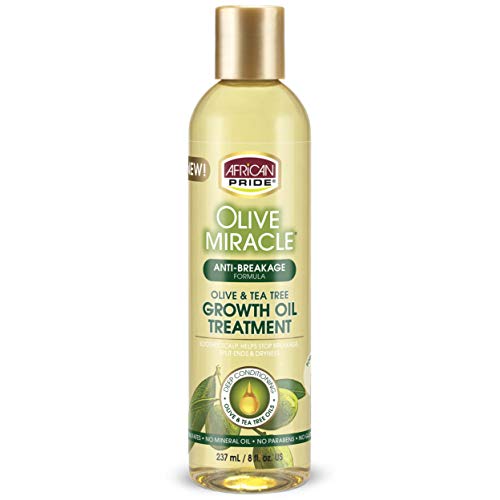
African Pride Olive Miracle Anti-Breakage Growth Oil 8 fl oz

Originals by Africa’s Best Therapy Extra Virgin Olive Oil Growth Oil 4oz

Difeel Olive Hair Oil Blend Travel Size 2.5 ounce

RAW Batana Oil for Hair Growth 2 FL OZ

African Pride Olive Miracle Growth Sheen Hair Spray 8 Oz

Originals by Africa’s Best Olive & Aloe Moisturizing Growth Lotion 12 oz

Soapeauty Extra Virgin Olive Oil Cold Pressed Carrier Oil 32 fl oz

Blue Magic Olive Oil Hair Dressing with Aloe Vera 12 Ounce
The Picks, Examined More Closely
An eight-ounce bottle changes the math on consistency. Smaller growth oils run out fast when you’re massaging the scalp two or three times a week, and this one is sized for months of regular use rather than a few weeks of enthusiasm.
The formula targets breakage first, which matters because length retention is half the thickness battle. Anyone dealing with snapped-off ends from heat styling or tight protective styles will find the positioning more useful than a generic conditioning oil.
Everyday Perks
- The 8 fl oz (237 ml) volume supports a genuine months-long routine without constant repurchasing.
- Anti-breakage focus helps you keep the length you grow instead of losing it at the ends.
- Positioned specifically as a strengthening treatment, so application intent is clear from day one.
- Liquid format spreads easily through braids, locs, and relaxed styles alike.
Things To Consider
- Oily scalps may find weekly use plenty; daily application can leave roots looking greasy between washes.
- Store the bottle upright and away from sunlight, since natural oils degrade faster on warm windowsills.
Key Specs
Who It Suits Best
Anyone committed to a consistent scalp-oiling habit who wants one large bottle to carry them through a full season.
A Better Fit Elsewhere
Travelers who need something pocketable should look at the Difeel Olive Hair Oil Blend instead, since its 2.5-ounce size slips into any bag.
Where the African Pride bottle goes big, this four-ounce option keeps things lean. The trade-off is a smaller footprint on your shelf and a lower entry commitment, which suits anyone still figuring out whether scalp oiling fits their routine.
The interesting part is its range: the brand positions it for hair, skin, and nails, so one bottle can handle cuticle care after a manicure and ends-sealing after a wash. For minimalists, that consolidation is worth more than raw volume.
Features That Help
- Extra virgin olive oil base means a straightforward, recognizable ingredient story.
- Triples as a skin and nail conditioner, trimming clutter from your vanity.
- Four-ounce bottle travels well and fits crowded bathroom drawers.
- Marketed for all-day moisturizing, which suits dry mid-lengths and ends.
Small Caveats
- Heavy users will empty the small bottle quickly, making the per-ounce cost less attractive than larger picks here.
- Owners commonly report needing a towel nearby, since any pure oil can drip during scalp application.
Made For
Routine-simplifiers who want a single oil doing triple duty across hair, skin, and nails without a big upfront bottle.
Swap It Out When
Households sharing one product should step up to the Originals by Africa’s Best Olive & Aloe Lotion, whose twelve-ounce pump-style bottle survives multiple users better.
At 2.5 ounces, this is the smallest bottle on the list, and that’s precisely the point. Carry-on liquid limits, gym-bag real estate, and desk-drawer stashes all favor a compact pour spout over a full-size bottle.
The blend leans toward lightweight hydration rather than heavy sealing, which makes it a reasonable midday refresher for dry, brittle lengths. Compared with the pure Soapeauty oil later in this list, the blended approach trades some versatility for a lighter feel on fine hair.
Real Benefits
- Replenishes moisture to dry strands, leaving them softer and easier to detangle.
- Light enough for daily use on most textures without weighing curls down.
- Travel sizing clears airport liquid rules and disappears into a toiletry kit.
- Blended formula conditions while adding healthy-looking shine.
Points To Note
- Two and a half ounces won’t last long as a primary scalp treatment, so frequent users should pair it with a full-size backup.
- Keep the cap snug in transit; small bottles are prone to leaking under cabin pressure changes.
Quick Facts
Right Fit For
Commuters and frequent flyers who want a hydration top-up within arm’s reach rather than a salon-scale supply.
Reach For A Different Pick When
Deep-treatment devotees wanting maximum purity per dollar will get more mileage from the Soapeauty Extra Virgin Olive Oil’s bulk bottle.
This is the wildcard of the list. Batana oil, pressed from the American palm tree native to Honduras, has built a following in natural-hair communities for its rich fatty acid content, and this version arrives unrefined rather than processed.
You may find the earthy scent takes some adjustment compared with the sweeter olive blends above it. The two-ounce quantity also signals its role: a targeted scalp treatment used sparingly, not an all-over daily conditioner.
What Makes Sense
- Unrefined processing preserves the oil’s natural fatty acids for root-to-tip nourishment.
- Single-origin sourcing from Honduras gives you a clear provenance story.
- Rich texture suits pre-wash scalp massages and overnight treatments.
Worth Noting
- The distinctive nutty aroma lingers longer than olive-based options, which matters for shared beds and pillows.
- A two-ounce jar demands disciplined portioning; scooping generously burns through it in weeks.
- Unrefined oils can firm up in cool bathrooms, so warm the jar briefly between your hands before use.
Whose Shelf It Belongs On
Natural-hair enthusiasts who enjoy traditional single-ingredient remedies and don’t mind a bold scent in exchange for an unprocessed formula.
Another Choice May Suit
Scent-sensitive shoppers will likely prefer the African Pride Olive Miracle Growth Sheen Spray, which delivers a lighter fragrance alongside its tea tree and olive conditioning.
Not everyone wants oily fingers before work, and this spray exists for exactly that crowd. A quick mist revives dull styles with shine while the olive oil content works on moisture retention underneath.
Tea tree oil joins the formula here, bringing a cooling scalp-conditioning element the pour-on oils in this list don’t offer. Think of it as the finishing-step sibling to the African Pride growth oil reviewed earlier: same family, different job.
Noteworthy Benefits
- Spray application means zero hand-washing and even coverage across styled hair.
- Olive oil helps seal in hydration, supporting smoother, more manageable strands day to day.
- Tea tree oil conditions the scalp and keeps hair feeling refreshed between wash days.
- Lightweight finish restores softness without flattening curls or blowouts.
Less Ideal Details
- Aerosol-style sprays deliver less product per use than droppers, so deep-treatment fans may find it too subtle alone.
- Mist near the scalp sparingly; buildup is the most commonly reported issue with daily sheen products.
At A Glance
Who Will Love This
Busy mornings call for this one: professionals refreshing a style in under thirty seconds before heading out the door.
Where A Sibling Pick Shines
Overnight repair seekers get deeper penetration from the Lampolar RAW Batana Oil, whose thicker texture is built for leave-in scalp sessions.
Lotions split the difference between oils and creams, absorbing faster and leaving less residue on collars and pillowcases. This twelve-ounce bottle pairs olive oil with aloe vera, a combination geared toward everyday hydration rather than heavy sealing.
The formulation skips petroleum and mineral oil, two ingredients many households actively avoid, and the brand markets it across all hair types and textures. In a shared bathroom serving relaxed, natural, and texturized heads, that flexibility earns its keep.
Notable Gains
- Aloe vera adds lightweight moisture that absorbs quicker than straight oil.
- Formulated without petroleum or mineral oil, matching cleaner-label preferences.
- Twelve ounces comfortably serves several people through weeks of daily use.
- Works as a finishing step after washing or a standalone morning moisturizer.
Practical Considerations
- Very coarse or high-porosity hair may still want an oil layered on top to lock the moisture in.
- Lotion bottles dispense faster than jars, so heavy-handed pumping empties it sooner than expected.
The Right Fit
Multi-texture households and anyone who finds pure oils too greasy for daytime wear will settle in comfortably here.
Consider Something Else When
Scalp-focused users chasing targeted regrowth support are better served by the African Pride Olive Miracle Growth Oil’s dedicated treatment format.
Thirty-two fluid ounces is a serious commitment, and it’s the right one for DIY-minded users. Cold pressing means the olives were processed without heat, preserving more of the oil’s natural character, and unrefined means nothing was stripped out afterward.
In practice, this bottle becomes your base camp: hot oil treatments on Sunday, a carrier for essential-oil scalp blends midweek, cuticle and skin care whenever. The honest read is that it asks more of you than the pre-blended picks, but it rewards the effort with total control over what touches your scalp.
Why It Works Well
- Cold-pressed, unrefined processing keeps the oil closest to its natural state.
- Extra virgin grade offers a quality baseline you can trust for skin contact too.
- The 32 fl oz jug covers months of hot-oil treatments and custom blends.
- Multiple size options exist, from 8 oz samplers up to the full jug.
Details To Watch
- Pure oil pours thick, so decanting into a smaller applicator bottle saves waste and mess.
- Store it cool and dark; a kitchen counter beside the stove shortens its usable life noticeably.
Core Details
Who Should Grab It
DIY formulators, hot-oil-treatment loyalists, and soap makers who measure their oil usage in cups rather than drops.
Not Your Match When
Grab-and-go simplicity seekers will be happier with the Difeel travel blend, which needs zero measuring or mixing.
Some formulas earn loyalty by simply showing up decade after decade, and Blue Magic’s jarred dressing is one of them. The twelve-ounce tub combines olive oil with aloe vera in a cream base that sits somewhere between the Soapeauty pure oil and the Africa’s Best lotion in weight.
It’s categorized among hair conditioners rather than treatment oils, which tells you its strength lies in ongoing moisture management. Dry scalps and pressed styles respond well to a fingertip’s worth worked through between washes.
Positive Points
- Aloe vera brings soothing moisture to tight, dry scalps.
- Jar format lets you control exactly how much product you take each time.
- Twelve ounces stretches across many applications, keeping running costs low.
- Cream dressing tames flyaways and adds gloss to pressed or relaxed styles.
Room For Improvement
- Cream dressings sit heavier than sprays or lotions, so fine hair can look weighed down with a heavy hand.
- Shared jars invite contamination; scoop with clean fingers or a small spatula to keep it fresh.
Product Snapshot
Best Suited To
Value-focused shoppers managing dry scalps and heat-styled hair who want a dependable jar that costs little and lasts months.
Look Elsewhere When
Anyone wanting a lighter daytime finish will prefer the African Pride sheen spray, which adds shine without the cream-weight feel.
What To Weigh Before You Commit
Match The Format To Your Habits
Oils, sprays, lotions, and creams each demand different behavior from you. A dropper oil rewards a dedicated nightly scalp massage; a sheen spray fits a ten-second morning pass. Choose the format you’ll actually sustain, because consistency drives results far more than any single ingredient list does.
Read Past The Word “Olive”
Some bottles are nearly pure olive oil, others blend it with tea tree, aloe, or batana, and a few use it as a supporting player. Blends often feel lighter and smell better, while pure oils give you maximum concentration and mixing freedom. Neither approach is wrong; they simply serve different routines.
Size Against Realistic Usage
An eight-ounce treatment oil sounds generous until daily use drains it in six weeks, while a 32-ounce jug overwhelms someone who treats monthly. Estimate your per-application amount honestly, multiply by your realistic frequency, then buy the size that covers roughly three months.
Key Considerations Across These Picks
Traps First Timers Fall Into
The most common misstep is buying a tiny novelty bottle, loving it, and running dry mid-routine. Another is layering an oil over a dirty scalp, which traps buildup instead of nourishing anything. Start with clean hair, apply sparingly, and scale up only once you know how your scalp responds.
When Paying More Pays Off
Higher-tier spending usually buys processing quality, like cold-pressed and unrefined oils that skip heat and filtering, or added actives such as tea tree and aloe. Those upgrades matter most for sensitive scalps and long-term daily use. Casual weekend users rarely notice the difference and do fine with classic budget jars.
Frequently Asked Questions
How often should olive oil be applied for hair growth?
Most people see the best balance with two to three scalp sessions per week. Daily use tends to create buildup rather than additional benefit.
Can these oils make hair thicker on their own?
They condition the scalp and reduce breakage, which helps existing hair reach its fuller potential. No topical oil creates new follicles.
Should olive oil go on wet or dry hair?
Damp hair absorbs oil more evenly and seals in moisture effectively. Dry application works well for scalp massages and shine touch-ups.
Do I need to wash the oil out afterward?
Overnight treatments generally deserve a rinse to prevent heaviness. Small amounts left in as a leave-in are fine for most textures.
Which pick works best for protective styles like braids?
Liquid oils with nozzle applicators reach the scalp through braids most easily. The African Pride growth oil handles this job well.
Wrap Up
Eight products, eight different relationships with olive oil, and the right answer depends entirely on your routine. Heavy users should lean toward the African Pride growth oil or the Soapeauty jug, travelers toward Difeel, and traditionalists toward the Blue Magic jar. Whichever direction you go, pick the format you’ll actually stick with, apply it consistently, and give any routine a fair couple of months before judging the results.
