

Bleach, hot tools, tight ponytails, hard water, sun. Damaged hair rarely comes from one culprit, and no single jar undoes all of it overnight. What actually helps is matching the right treatment to your specific kind of damage, whether that’s snapped bonds from coloring, dryness from heat, or breakage from daily detangling battles.
This list covers eight treatments across masks, leave-in sprays, and protein-based options, so you can match the format to your routine instead of forcing another product into a shower shelf that’s already full.
A Snapshot Of The Selections
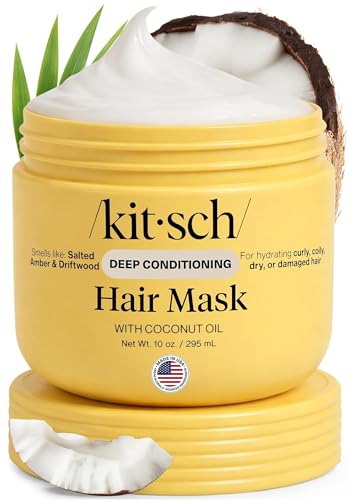
Kitsch Coconut Oil Hair Mask for Damaged Hair 10 oz

KÉRASTASE Première Anti-Breakage Repairing Mask

K18 Leave-In Molecular Repair Hair Mask

Marc Anthony Repair Bond Leave-In Conditioner Spray

Dove Intensive Repair 10in1 Mask 9.2oz

MAREE Deep Conditioning Keratin Hair Mask 10 Fl Oz
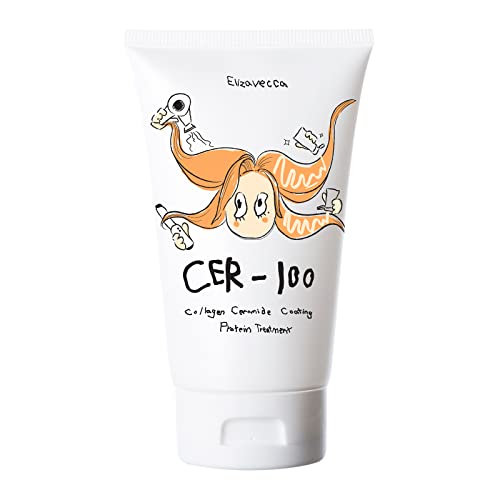
Elizavecca cer-100 Collagen Coating Protein Treatment 100ml

Marc Anthony Grow Long Detangling Leave-In Spray
The Picks, Examined More Closely
This is the simplest entry here: a coconut-oil conditioning mask in a generous 10-ounce tub, built around hydration rather than chemistry. Think of it as a weekly drink of water for strands that feel straw-like after a summer of sun and blow-drying.
In a real routine, it slots in where a regular conditioner would go, once or twice a week. Anyone whose damage is mostly dryness rather than chemical breakage will get the most from it.
Practical Pluses
- Coconut oil base delivers deep moisture where dryness shows first, along mid-lengths and ends
- The 10-ounce size lasts months of weekly use, which keeps cost per wash low
- Rinses clean without heavy residue, so fine hair won’t go flat the next morning
- Works as a standalone fix, no full system required to see softer strands
Things To Consider
- Moisture alone won’t rebuild broken bonds, so severe chemical damage may need a protein option like the K18 below
- Tub packaging means scooping with wet fingers; keep water out of the jar to avoid thinning the formula over time
Key Specs
Who It Suits Best
Anyone with chronically dry, heat-stressed hair who wants an uncomplicated weekly moisture boost.
A Better Fit Elsewhere
Bleached hair with actual structural breakage will respond faster to the K18 Leave-In Molecular Repair Hair Mask.
Most masks add moisture and call it repair. This one takes a different angle: it dissolves calcium deposits that hard-water and chemical services leave inside the fiber, then uses peptides and glycine to reconnect broken links between keratin chains. Keratin is the structural protein your hair is made of, so those reconnected links are what actually resist snapping.
The payoff shows up as fewer visible split ends and a smoother finish, especially on color-treated hair that feels gummy when wet. Compared with the Kitsch mask above, this is engineered repair rather than simple conditioning, and the price reflects that.
What It Does Well
- Dual action removes calcium buildup, a hidden cause of stiffness and breakage most masks ignore
- Peptide-and-glycine formula targets the keratin structure itself, not just surface softness
- Visibly reduces split-end appearance and boosts shine for a sleeker blowout
- Suits frequent color clients whose hair has been through repeated salon chemistry
Worth Noting
- Premium pricing makes it a harder habit to sustain than drugstore alternatives
- Some owners report best results only when pairing it with the matching Première shampoo, which adds cost
Right Fit For
Salon-color regulars fighting breakage and dullness who want targeted, science-led repair.
Consider Something Else When
Shoppers wanting affordable weekly maintenance may prefer the Dove Intensive Repair 10in1 Mask.
K18 built its reputation on speed: four minutes, towel-dried hair, no rinsing. The patented K18PEPTIDE is designed to mimic hair’s own keratin segments and slot into damaged spots left by bleach, color, and heat. Because it stays in rather than washing down the drain, the repair work continues after you’ve styled.
The honest catch is dosage discipline. A small amount matters, and using too much leaves hair greasy. Used correctly, it’s the strongest structural option on this list for freshly bleached or chemically fried hair.
Good Reasons To Consider
- Four-minute leave-in format fits even rushed morning routines
- Peptide technology addresses molecular-level damage from bleach, color, and hot tools
- No rinse means the active keeps working through the day
- A little goes far, so bottles stretch longer than the size suggests
- Widely reported to restore elasticity, meaning hair bends instead of snapping
Small Caveats
- Over-application commonly causes limp or oily-looking roots; less is genuinely more
- Small bottle sizes carry a higher cost per ounce than tub-style masks
Feature Snapshot
Made For
Bleach blondes, balayage devotees, and anyone fresh out of a chemical service whose hair feels like elastic about to snap.
Reach For A Different Pick When
Dry-but-intact hair needs cheap moisture more than bond work; the Kitsch Coconut Oil Hair Mask covers that for less.
Hair strength comes from bonds inside the fiber, and coloring, pollution, and flat irons chip away at them daily. Marc Anthony’s answer is a spray-on leave-in built around its Rescuplex bond-repair technology, meant to condition, detangle, and shield against future stress in one pass.
The format is its biggest advantage. Where the K18 demands careful dosing, you just mist this through damp hair and comb. Daily stylers who want protection layered under heat tools will find it easy to live with.
Practical Advantages
- Three jobs in one step: detangles, smooths frizz, and supports damaged bonds
- Spray application takes seconds on damp hair before styling
- Adds a defensive layer against the heat and friction that cause new damage
- Leaves hair easier to brush, which itself prevents mechanical breakage
Points To Note
- Leave-in sprays generally offer lighter repair than rinse-out masks, so badly damaged hair may want both formats
- Scent lingers for some users after drying, worth considering if you’re fragrance-sensitive
Details At A Glance
Who Should Grab It
Daily heat stylers who need quick detangling plus ongoing protection in a single bottle.
Swap It Out When
Your main goal is growing hair longer rather than repairing it; the Marc Anthony Grow Long spray below is purpose-built for that.
Drugstore shelves are full of masks promising miracles, but Dove’s pitch here is unusually concrete: ten signs of damage addressed in a single minute of processing, thanks to a Glutamic Amino Serum and Bio-Protein Care complex. One minute is roughly the time it takes to shave your legs, which makes consistency realistic.
It’s positioned within a four-step system, though plenty of users run it as a standalone swap for their regular conditioner. For families sharing one bathroom and one budget, this is the easiest yes on the list.
Reasons It Performs
- One-minute processing time removes the excuse to skip treatment days
- Ten claimed benefits cover softness, smoothness, and breakage reduction in one product
- Glutamic Amino Serum targets chemically damaged fibers specifically
- Large 9.2-ounce tub suits multiple users without constant repurchasing
Less Ideal Details
- Results build gradually, so severely bleached hair shouldn’t expect transformation from one use
- Thick, coily textures often report needing a longer leave-on time than the stated minute
Whose Shelf It Belongs On
Budget-minded shoppers with chemically treated hair who want dependable weekly maintenance without salon-brand pricing.
Another Choice May Suit
Curly and color-refreshing needs point toward the MAREE keratin mask, which adds biotin and coconut oil to the mix.
Curly and color-treated hair tends to need two things at once: hydration and help keeping dye from fading flat. MAREE combines keratin, biotin, and coconut oil in a 10-fluid-ounce mask aimed at exactly that overlap, with added support for softness and manageability between salon visits.
The keratin here works as a smoothing, filling ingredient rather than a straightening service, which is worth knowing upfront. Expect slip, shine, and better-defined curls rather than dramatic structural change.
Key Advantages
- Keratin plus biotin supports smoother, more manageable texture on curls and waves
- Coconut oil adds the occlusive moisture dry ends crave
- Doubles as a color-refresher routine companion, helping dyed hair look fresher between appointments
- Generous volume suits thick or long hair that eats through smaller jars
Factors To Consider
- Outcomes depend heavily on hair type and how long you leave it on, so expect some experimentation
- Protein-rich formulas can feel stiff on low-porosity hair if overused; alternate with a plain moisturizing mask
The Right Fit
Curly-haired color clients who want one jar handling hydration, definition, and dye vibrancy together.
Skip It When
Straight, fine hair with pure dryness issues gets better value from the simpler Kitsch coconut formula.
This small Korean bottle became a cult item for good reason: five minutes, and heat-fried hair feels noticeably coated and stronger. Ceramide-3 sits in the lipid layer between cuticle cells and helps them lie flat, while collagen proteins form a temporary reinforcing film over weak spots.
It’s a coating treatment, not a rebuild. That distinction matters, because the smoothness fades with your next wash. As an affordable rescue between deeper treatments, though, few things beat it.
Useful Highlights
- Ceramide-3 and collagen give over-processed hair an immediate smoother feel
- Five-minute processing fits easily into any shower, even shared bathrooms on busy mornings
- Suits every hair texture, per the brand’s all-types positioning
- Compact 100ml tube travels well and costs far less than salon bond builders
Areas To Watch
- Effects are temporary by design, so weekly reapplication becomes part of the deal
- Protein overload is a real risk with frequent use; pair it with a moisture mask to keep hair flexible
Quick Facts
Best Suited To
Flat-iron and curling-wand regulars who want a cheap, fast protein top-up once a week.
Not Your Match When
Severe bleach damage calls for genuine bond rebuilding; step up to the K18 mask instead.
Long hair breaks mostly at the comb, not the salon. This leave-in from Marc Anthony attacks that problem directly: a hydrating, anti-breakage detangler powered by biotin, caffeine, and ginseng, designed to strengthen strands so they survive growing out.
Unlike its sibling Repair Bond spray earlier in this list, the emphasis here is length retention through reduced breakage rather than bond chemistry. Same easy mist-and-comb format, different mission.
Where It Delivers
- Biotin, caffeine, and ginseng form an anti-breakage blend aimed at stronger-feeling strands
- Detangling action cuts the pulling and snapping that happens during daily brushing
- Conditions without rinsing, adding slip that makes long hair manageable fast
- Light enough for near-daily use without buildup weighing hair down
Honest Caveats
- It supports healthier growth conditions but won’t speed up biology; expectations should stay grounded
- Very dry ends still benefit from a richer weekly mask alongside it
Core Details
Who Will Love This
Anyone growing out a cut or battling tangles on waist-length hair who brushes daily.
Where A Sibling Pick Shines
Damage from bleach and color responds better to the Repair Bond version, which focuses on bond restoration.
Choosing Between Treatments: What Actually Counts
Match The Format To Your Damage
Bond builders such as K18 and KÉRASTASE address broken keratin structures from bleach and color. Moisture masks like the Kitsch option handle dryness and roughness. Protein coatings such as Elizavecca’s suit heat-stressed hair needing temporary reinforcement. Naming your damage first saves money and disappointment.
Respect Your Texture
Fine hair flattens under heavy butters and oils, so lightweight sprays win there. Coily and thick textures usually want rich, rinse-out masks with longer processing time. Porosity matters too: high-porosity hair drinks up protein quickly, while low-porosity hair can turn stiff from too much of it.
Build A Sustainable Routine
The best treatment is the one you’ll actually repeat. A one-minute mask used weekly beats a thirty-minute ritual abandoned after three tries. Consider processing time, rinse-out versus leave-in convenience, and whether the product fits your existing shower rhythm before committing.
Watch For Product Overlap
Layering multiple protein treatments causes brittleness, and stacking several leave-ins creates buildup. One structural product plus one moisture product covers nearly everyone. Rotate rather than pile up, and give any new routine six to eight weeks before judging results.
Key Considerations Across These Picks
Wrong Turns To Avoid
The classic mistake is buying a bond builder for hair that’s merely dry, then calling the category overhyped. Another trap is skipping patch awareness: protein-heavy formulas used back-to-back leave hair stiff and prone to snapping. Read what a product actually targets, and alternate protein with moisture instead of doubling down.
Why Top Tier Costs More
Premium options like KÉRASTASE fund patented actives, clinical testing, and refined textures that cheaper jars approximate loosely. Whether that premium pays off depends on damage severity. Mildly stressed hair rarely needs it; heavily processed hair often does.
Frequently Asked Questions
How often should a hair mask be used?
Once or twice weekly suits most people, adjusted for how processed your hair is. Overuse of protein masks risks stiffness, so alternate with moisture-focused options.
Can a mask really repair split ends?
No product permanently mends a split end, though many temporarily seal and smooth the appearance. Trimming remains the true fix.
Are leave-in sprays as effective as rinse-out masks?
They serve different purposes. Sprays excel at daily protection and detangling, while masks deliver deeper periodic treatment.
Do I need both shampoo and mask from the same line?
Matching systems often perform slightly better together, but standalone masks still deliver solid results. Budget and preference can decide.
How long until I see results?
Surface softness appears after one or two uses, while structural improvements typically take several weeks of consistent use.
Closing Remarks
Damaged hair improves fastest when the treatment matches the actual problem, whether that’s missing moisture, broken bonds, or daily combing wear. Start with the pick closest to your situation, stay consistent for two months, and adjust from there. Your hair will tell you what’s working.
