

Seborrheic dermatitis on the face shows up as redness, flaking along the brows and nasolabial folds, and that stubborn tightness that no amount of regular moisturizer fixes. You want something targeted, not just another lotion, and the right active ingredient can make the difference between constant flare-ups and a calm, steady baseline. This list breaks down five focused formulas that address scaling, itch, and barrier disruption without relying on harsh steroids, so you can match a cream to the severity of your symptoms and your skin’s sensitivity.
The Main Contenders

MG217 Medicated Moisturizing Psoriasis Cream 3% Salicylic Acid
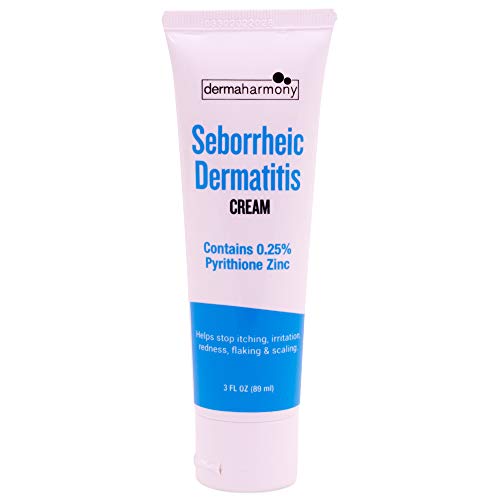
Dermaharmony Seborrheic Dermatitis Cream 0.25% Pyrithione Zinc

DermaZinc Therapy Cream with Zinc Pyrithione

pHat 5.5 Gentle Face Wash with Manuka Honey 8oz

Dermgentle Seborrheic Dermatitis Face Cream MCT & Squalane
What Each Pick Brings To The Table
When the flaky patches along your brows or beard line feel almost waxy and no moisturizer seems to penetrate, a keratolytic active can break through. Salicylic acid at 3% is a beta-hydroxy acid, which means it exfoliates inside the pore lining as well as on the surface, loosening the glue that holds dead scales together. MG217 leans on that strength and pairs it with a calming base of avocado oil, shea butter, aloe, and provitamin B5.
The cream is fragrance-free, so it suits reactive complexions that flare from scented skincare, and the texture absorbs quickly without a heavy film. For someone dealing with thick, persistent scaling on the face, the active is strong enough to make a visible dent in the buildup within a week of consistent use. Compared to the gentler Dermaharmony cream coming up next, this one trades softness for a more direct exfoliating action.
The Practical Payoff
- 3% salicylic acid targets the scaling and flaking that ordinary moisturizers leave behind
- Calming additions like allantoin and bisabolol help offset the active’s potential for sting
- Shea butter and avocado oil keep skin from feeling stripped after exfoliation
- Fragrance-free formula suits complexions that react to scented products
Points To Note
- Salicylic acid can leave skin drier if you skip a plain moisturizer on top, so layering matters
- Not the gentlest option for first-time users, and you may notice a brief tingle on freshly irritated skin
Key Specs
Who It Suits Best
People with thick, visible scaling on seborrheic-prone zones who want a stronger exfoliating active and tolerate a fragrance-free medicated cream.
Skip It When
The Dermaharmony Seborrheic Dermatitis Cream is a smarter call if your skin leans reactive and you cannot tolerate a keratolytic active at this strength.
Seborrheic dermatitis is driven in part by Malassezia yeast on the skin, which is why antifungal ingredients often calm the condition when ordinary moisturizers cannot. Pyrithione zinc is one of the more accessible antifungal actives, used widely in dandruff shampoos, and at 0.25% it is gentle enough for facial use. Dermaharmony builds the active into a beeswax-based cream with avocado and sweet almond oil, which is a different texture philosophy than the salicylic acid in the MG217 cream above.
You get a thicker, more occlusive layer that locks in moisture rather than exfoliating. It feels like a barrier cream first and a treatment second, which works well for dry, easily irritated skin. For people whose seb derm shows up as persistent pinkness and tightness rather than thick scales, this kind of zinc-and-beeswax combination often does the heavy lifting.
What Pays Off
- 0.25% pyrithione zinc, an antifungal, directly addresses the yeast-linked component of seb derm
- Beeswax base creates a lasting protective layer over irritated patches
- Avocado and sweet almond oil provide a rich, conditioning feel that suits dry skin
Worth Noting
- The thicker texture can feel heavy in humid weather or on oilier areas like the T-zone
- Pyrithione zinc is mild, so you may need to pair it with a cleanser like the pHat 5.5 wash for stubborn flaking
Made For
Dry or reactive facial skin that responds well to rich creams and needs an antifungal active in a gentle vehicle.
Look Elsewhere When
MG217 Medicated Moisturizing Psoriasis Cream fits better if your main problem is thick, waxy scaling rather than general dryness and redness.
DermaZinc Therapy Cream is the more clinical sibling of the Dermaharmony cream. It also uses 0.25% zinc pyrithione as the active, but the format is leaner and the positioning targets multiple chronic skin conditions, not just seb derm. That makes it a flexible pick if you also deal with eczema or psoriasis on the body and want one jar to share between problem zones.
The cream absorbs cleanly and is steroid-free, which matters for anyone cautious about long-term steroid use on the face. In a household where seborrheic dermatitis shows up on the scalp, chest, and face at once, the multi-condition framing is genuinely useful. Compared to the Dermgentle face cream at the end of this list, it is more treatment-forward and less purely barrier-supporting.
What Stands Out
- Same antifungal zinc pyrithione active used in clinical seb derm routines
- Works across face, body, and scalp, simplifying a multi-zone routine
- Steroid-free, which makes it sensible for ongoing maintenance
Trade Offs
- Lighter on conditioning oils than Dermaharmony, so very dry skin may need a separate moisturizer
- Commonly paired with the brand’s spray or shampoo for full effect, adding steps to your routine
Best Suited To
Shoppers managing seborrheic dermatitis alongside eczema or psoriasis who want a steroid-free, all-over zinc-based cream.
Swap It Out When
The Dermgentle Seborrheic Dermatitis Face Cream suits you better if your flare is limited to the face and your skin is highly sensitive to rich textures.
Not every seb derm product on your shelf needs to be a leave-on treatment. A well-chosen cleanser does a surprising amount of the work by removing the oil and buildup that fuel yeast overgrowth in the first place. pHat 5.5’s wash is built around manuka honey, aloe vera, and coconut oil, with a pH-balanced formula designed for sensitive, reactive skin.
It is paraben-free and sulfate-free, two qualities worth looking for when your barrier is already compromised. As a face wash, you can pair it with any of the leave-on creams in this list, and many users find the daily maintenance step matters as much as the active. For someone new to managing seb derm and unsure where to start, beginning with a gentle cleanser before adding actives is a low-risk approach.
Everyday Wins
- pH-balanced wash that respects the skin’s acid mantle during cleansing
- Manuka honey brings soothing and mild antibacterial properties to the daily routine
- Free of parabens and sulfates, two common irritants for reactive skin
- Doubles as a body wash for seborrheic patches on the chest and back
Room For Improvement
- A cleanser alone rarely resolves an active flare, so you will likely need a leave-on product alongside it
- Honey-based formulas can feel slightly tacky on the skin until fully rinsed
Quick Facts
Right Fit For
Beginners building a seb derm routine who want a low-fuss daily cleanser to pair with a targeted treatment cream.
Another Choice May Suit
MG217 Medicated Moisturizing Psoriasis Cream is the better match when scaling is already pronounced and you want an exfoliating treatment rather than a maintenance wash.
The last pick on this list is the most minimal in approach. Dermgentle’s face cream skips the classic antifungal and keratolytic actives entirely, instead focusing on rebuilding the skin barrier with MCT oil, squalane, and a steroid-free ingredient list. That makes it a moisturizer first, with seb derm-friendly positioning rather than a medicated treatment.
Squalane mimics the skin’s own sebum, which is why it absorbs so easily without a greasy finish, and MCT oil (a medium-chain triglyceride derived from coconut) is lightweight and well tolerated by most complexions. In real-world use, this kind of barrier-supporting cream works best between flares, when you want to keep the skin calm and resilient. Compared to the zinc- and salicylic acid-driven picks above, the honest read is that Dermgentle supports the routine rather than leading the attack.
Practical Pluses
- Squalane and MCT oil reinforce the skin barrier without heaviness
- Steroid-free formula suits people avoiding long-term steroid use
- Designed for sensitive skin, with gentle ingredients throughout
Honest Caveats
- Without an antifungal or exfoliating active, an active flare may need a stronger partner product
- Light hydration can feel insufficient during harsh winter months, depending on your climate
Who Will Love This
People with sensitive, easily triggered skin who need a barrier-supporting moisturizer to use between or alongside more active treatments.
Reach For A Different Pick When
Dermaharmony Seborrheic Dermatitis Cream is a stronger option if you want an antifungal active built directly into your daily moisturizer.
Choosing The Right Formula For Your Skin
Match the Active to Your Symptoms
Salicylic acid is a keratolytic, meaning it breaks down the bonds holding dead skin cells together, which suits thick, visible scaling. Pyrithione zinc is an antifungal, which targets the Malassezia yeast linked to seb derm and works well for redness, itching, and oily flakes. Barrier-supporting oils like squalane and MCT do neither, so they work best as supportive players in a routine rather than as the main treatment for an active flare.
Consider the Texture and Climate
A beeswax-based cream like Dermaharmony creates an occlusive layer that suits dry climates and cooler months. Lighter creams like the Dermgentle option work better in humid weather or for oily skin types who dislike heavy textures. The MG217 cream sits somewhere in the middle, absorbing quickly while still delivering enough moisture for daily use.
Think About Whole-Body Use
Seborrheic dermatitis often shows up beyond the face, on the scalp, behind the ears, and along the chest. A multi-zone product like DermaZinc or a body-safe wash like pHat 5.5 lets you address those areas without buying three separate formulas.
Plan for the Long Game
Flares tend to cycle, which means the product that gets you through a rough week may not be the one you want for daily maintenance. Many shoppers rotate between a stronger treatment cream and a gentler barrier moisturizer, using the heavy hitter during flares and the lighter formula in between.
Cross-Category Notes Worth Knowing
Where Shoppers Go Wrong
A common slip is reaching for the strongest medicated cream and applying it twice a day from day one, which often backfires on a reactive face. Start with a small test patch, build up gradually, and pair any active ingredient with a plain moisturizer if dryness shows up. Skipping a gentle cleanser is another pitfall, since residue and oil can undermine even a well-chosen leave-on product.
When Paying More Pays Off
Higher-tier options in this category tend to invest in formulation polish: better absorption, fewer fillers, and more thoughtful ingredient pairings. The premium difference shows up most when your skin is highly reactive, since cheaper formulas may use harsher preservatives or drying alcohols that undo the benefit of the active ingredient. For most shoppers with mild to moderate symptoms, a mid-tier formula is plenty. For sensitive complexions that react to almost everything, the formulation quality of a thoughtful design cream is usually worth it.
Frequently Asked Questions
How often should I apply a seborrheic dermatitis face cream?
Most medicated creams in this category work well applied once or twice daily to clean, dry skin, then tapered to a few times per week once symptoms improve. Barrier moisturizers can be used more freely, often morning and night.
Can I use these creams around my eyes and nose?
The nasolabial folds and brow area are common seb derm zones, and the creams in this list are generally safe for those areas. Avoid the immediate eye area, including the eyelids, since facial skin there is thinner and more reactive.
Do I need to use a steroid cream instead?
Steroid creams work quickly but are typically recommended for short-term use under professional guidance because long-term facial use can thin the skin. The non-steroid options here are better suited for ongoing maintenance.
Can I layer a barrier moisturizer over my medicated cream?
Yes, layering is common. Apply the medicated product first, let it absorb, then follow with a gentle moisturizer like the Dermgentle cream to reduce dryness and support the barrier.
How long before I see results?
Visible improvement from antifungal or keratolytic actives usually appears within one to two weeks of consistent use. Barrier moisturizers work more gradually, and full benefits may take several weeks of daily application.
Final Takeaway
Seborrheic dermatitis responds best to a routine that matches the active to the symptom, supports the skin barrier, and avoids ingredients that trigger flares. The five picks above give you options across stronger exfoliating treatments, antifungal creams, gentle cleansers, and barrier moisturizers, so you can build a layered approach that fits your skin and your climate. Start with one product, give it a fair trial, and adjust from there.
