

A tinted base with built-in UV protection used to mean a chalky, heavy layer that settled into every fine line. The new wave of formulas behaves more like skincare in a tube, with featherweight pigments that blend into a second-skin finish. Shoppers juggling moisturizer, sunscreen, and foundation every morning can collapse that routine into a single step, which is where this list earns its keep. Each pick below pairs a different kind of wearer with a specific formula personality, from mineral-only shields to serum-soaked sticks.
A Quick View Of The Lineup

Colorescience Total Protection Face Shield Flex SPF 50

NYX Buttermelt Glaze Soft Glow Skin Tint SPF 30

Lulesi Beauty Balm Serum Boosted Skin Tint Stick #03

MyChelle Sun Shield Liquid Zinc SPF 30 Tinted
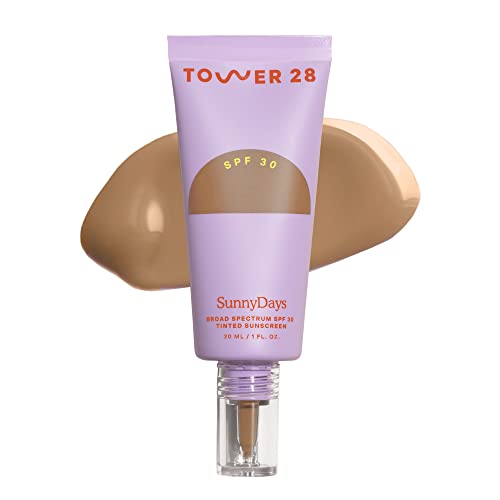
Tower 28 SunnyDays SPF 30 Tinted Sunscreen Foundation
Inside Each Recommended Option
The Colorescience Face Shield Flex sits at the heavier end of the skin-tint spectrum, behaving more like a featherweight foundation with sunscreen built in. Its 100% mineral zinc oxide base shields against UVA, UVB, blue light from screens, and infrared, which is a notable step up from the basic UV protection most tinted moisturizers provide. The tone-adapting pigments bloom as you blend, so the white cast that usually haunts mineral SPF formulas is largely neutralized for medium to tan complexions.
Daily commuters and outdoor runners get the most out of this formula, since it holds up well under sweat and reapplication is straightforward. Anyone who has reacted to chemical sunscreen filters will appreciate the mineral-only approach. Compared with the NYX pick below, this one trades the glazed glow for stronger environmental defense and a more polished, demi-matte finish.
Strengths Worth Knowing
- Mineral zinc oxide formula suits reactive skin and avoids chemical UV filters entirely.
- Multi-spectrum defense covers blue light and pollution in addition to standard UV rays.
- Buildable, demi-matte coverage means you can dial it from sheer to medium without caking.
- Water- and sweat-resistant finish holds through commutes and light workouts.
- Higher SPF 50 rating gives extra headroom on long outdoor days.
Points To Keep In Mind
- Mineral pigments can leave a faint cast on the deepest skin tones, so swatch testing is wise.
- Owners commonly report the squeeze tube running out faster than expected with daily full-face use.
Key Specs
Right Fit For
Shoppers with sensitive or mature skin who want serious UV and pollution defense without layering multiple products.
Skip It When
You prefer a dewy, glazed finish; the NYX Buttermelt Glaze gives that look with a softer SPF rating.
The Buttermelt Glaze earns its name honestly, layering shea butter, mango butter, and niacinamide (a form of vitamin B3 known for brightening and supporting the skin barrier) into a tinted base that wears like a moisturizer. The finish lands on the dewy side of glossy, which makes it a natural fit for anyone whose skin drinks up hydration by mid-afternoon. The 93% skincare-infused base keeps the texture cushioned instead of clingy.
Students, new parents, and anyone who wants to look polished in three minutes will appreciate the speed of application. It behaves well under light powder, so layering is optional. Where the Colorescience above leans clinical and protective, this one leans nourishing and luminous, which is the real point of difference for daily wear.
Real Benefits
- Shea and mango butters cushion dry patches instead of clinging to them.
- Niacinamide helps even tone over time, layering skincare into the makeup step.
- Glazed, dewy finish flatters tired or dull complexions on low-effort mornings.
- Lightweight wear feels closer to a moisturizer than a foundation.
Worth Noting
- The glossy finish can feel too rich on oily or humid-summer skin without a setting powder.
- SPF 30 covers everyday indoor use but falls short of all-day beach exposure.
Made For
Dry or dull skin types who want a glazed, low-maintenance finish and decent UV protection for daily indoor-to-outdoor transitions.
Consider Something Else When
Your skin runs oily in the T-zone; the MyChelle Sun Shield Liquid Zinc absorbs shine far more effectively.
The Lulesi stick rewrites the rules of touch-ups by packing serum, tint, and SPF into a solid balm that melts on contact. There is no pump, no squeeze tube, and no risk of a cap popping open inside a tote. The oil-free gel-cream base keeps it from feeling waxy, which is the usual downfall of solid complexion products. It doubles as a sheer foundation, a spot concealer, and a portable SPF layer.
Travelers, gym-goers, and anyone cycling between air-conditioned offices and bright sidewalks will love the grab-and-go format. The shade range skews light, so deeper skin tones may need to layer carefully. Compared with the Tower 28 below, the Lulesi prioritizes portability over the gentle, fragrance-free formulation sensitive-skin shoppers usually look for.
Useful Highlights
- Solid stick format eliminates spills and works without a mirror in a pinch.
- Oil-free gel-cream texture avoids the heavy, waxy feel of older balm sticks.
- Multi-use design covers foundation, spot concealing, and sun protection in one.
- Compact size slips into the smallest crossbody or gym bag.
Honest Caveats
- Solid sticks tend to transfer more easily, so blotting tissue helps on humid days.
- Limited shade data makes swatching the undertone important before committing.
- You may find the stick warms quickly in hot cars, so a cool bag keeps the texture firm.
Feature Snapshot
Best Suited To
Travelers, commuters, and gym-goers who want a no-mess tint that fits in a pocket and re-applies easily over existing makeup.
Look Elsewhere When
Reactive or rosacea-prone skin needs a fragrance-free mineral option; the Tower 28 SunnyDays covers that profile better.
The MyChelle Sun Shield earns its slot by leaning into a clean-beauty formulation philosophy that some shoppers actively seek out. Bentonite clay (a naturally occurring mineral clay prized for soaking up oil) does the heavy lifting on shine, which is the unsung hero for anyone whose t-zone turns glossy by 10 a.m. The mineral zinc base avoids chemical UV filters, and the lightweight liquid texture layers well under foundation or wears on its own as a sheer tinted primer.
Combination, acne-prone, and post-treatment skin types tend to respond well to the oil-absorbing finish. It is also a smart pick for anyone who treats SPF as a year-round habit rather than a summer afterthought. Where the Lulesi stick is built for travel, this one is built for the desk drawer and the daily routine, which is a different kind of convenience.
Why It Works Well
- Bentonite clay controls midday shine without the tight, drying feel of old-school mattifiers.
- Mineral zinc filter suits sensitive and acne-prone complexions.
- Light-to-medium coverage doubles as a primer under full-coverage foundation.
- Oil-free formula prevents the slip-and-slide that ruins SPF reapplication over makeup.
Trade-Offs
- Matte finish can read flat on very dry skin without a hydrating serum underneath.
Whose Shelf It Belongs On
Combination and acne-prone skin types who want a shine-controlled base that doubles as their daily mineral sunscreen.
Where Another Pick Suits Better
Very dry or mature skin often prefers the cushioning butters in the NYX Buttermelt Glaze over a clay-driven matte.
The Tower 28 SunnyDays formula was designed with reactive skin in mind, skipping fragrance entirely and keeping the ingredient list short enough to read on the back of the bottle. It is non-comedogenic, meaning it is formulated not to clog pores, which matters for anyone who has broken out from thicker tinted moisturizers. The mineral base provides broad-spectrum coverage, while the shade range leans inclusive across light to medium tones.
Rosacea, eczema, and post-procedure complexions tend to find a friend here, and the natural finish lets real skin texture show through instead of masking it. It is a quiet, well-behaved product that does the job without drama. Compared with the Colorescience at the top of this list, the SunnyDays trades heavy-duty environmental defense for a gentler daily driver profile.
Key Advantages
- Fragrance-free formulation lowers the risk of irritation on reactive complexions.
- Non-comedogenic mineral base avoids clogging pores during humid weather.
- Natural, skin-like finish reads as no-makeup on casual days and works under fuller coverage too.
- Broad-spectrum mineral UV protection suits sensitive-skin routines.
Some Limits To Know
- Sheer coverage may not be enough for anyone wanting to fully cover dark spots or post-acne marks.
- Mineral base can feel slightly thicker than the serum-tinted competitors above.
Who Should Grab It
Reactive-skin shoppers, including those managing rosacea or eczema, who need a fragrance-free daily tint with reliable mineral UV protection.
A Better Fit Elsewhere
Anyone wanting stronger environmental defense plus a demi-matte finish should consider the Colorescience Total Protection Face Shield Flex instead.
Picking a Skin Tint With SPF That Actually Fits Your Routine
Match the Formula to Your Skin Type First
The single biggest predictor of whether you will keep using a tinted SPF is how the finish behaves on your skin by hour four. Oily and combination complexions usually thrive with mineral mattifying bases (MyChelle Sun Shield is a good reference point), while dry and mature skin tends to prefer buttery, serum-soaked textures like the NYX Buttermelt Glaze. Reactive skin benefits from fragrance-free mineral formulas such as Tower 28 SunnyDays, and outdoor-heavy routines call for stronger SPF plus environmental defense (Colorescience Face Shield Flex).
Understand SPF, PA, and Broad Spectrum Labels
SPF (Sun Protection Factor) measures how well a formula defends against UVB rays, the kind responsible for sunburn, while broad-spectrum indicates UVA coverage, which drives premature aging. Higher SPF numbers do not double the protection, but they do offer more headroom for missed spots and sweat loss. A PA++++ rating, which appears on some Asian-market and global formulations, signals the highest tier of UVA defense and is worth considering for fair or sun-sensitive complexions.
Decide Between Mineral and Chemical Filters
Mineral filters (zinc oxide, titanium dioxide) sit on top of the skin and deflect UV, working immediately on application, which is helpful for sensitive skin. Chemical filters absorb UV and convert it to heat, often feeling lighter but occasionally causing irritation. Tinted SPFs lean mineral more often than not, since pigments help mask the traditional white cast, but reading the active ingredients list confirms what you are actually getting.
Think About Coverage, Wear Time, and Reapplication
A skin tint with SPF should never replace dedicated sunscreen on heavy sun-exposure days, but it is a smart everyday base. Plan on reapplying every two hours during direct sun, and treat the tint as your morning foundation layer rather than your only UV defense. Buildable formulas (Colorescience Face Shield Flex) handle touch-ups over makeup better than thinner tints, while stick formats (Lulesi) make midday reapplication easier when you cannot see a mirror.
Smart Considerations Across These Picks
Pitfalls Shoppers Hit
Treating any tinted SPF as a full replacement for dedicated sunscreen during long outdoor exposure is a common trap, since the pigment layer usually goes on thinner than a dedicated sunscreen. Skipping a patch test on the jawline is another frequent miss, especially with mineral-heavy formulas that can oxidize (shift to a more orange or ashy tone after sitting on the skin) on certain undertones. Buying a shade based on swatch photos alone also backfires, since undertones vary widely between formulas and lighting conditions in product images can mislead.
Where The Extra Money Goes
Higher-tier formulas like the Colorescience Face Shield Flex tend to invest in patented multi-environmental defense and clinical-grade mineral filters, plus more sophisticated pigment systems that neutralize white cast. Mid-tier picks such as the NYX Buttermelt Glaze spend the budget on skincare-grade actives (niacinamide, shea, mango butter) to layer treatment into the cosmetic step. Budget-friendly formats like the Lulesi stick cut packaging and dose size to keep cost accessible, which is a fair trade when portability matters more than ingredient depth.
Frequently Asked Questions
Can a skin tint with SPF replace my regular sunscreen?
For indoor-to-outdoor daily wear, a tinted SPF rated SPF 30 or higher is generally a solid base layer, though dedicated sunscreen still wins for prolonged direct sun. The pigment can also go on thinner than a dedicated sunscreen, which reduces actual UV defense on the skin.
How often should I reapply a tinted sunscreen?
Treat it like any other sunscreen and reapply every two hours during direct sun exposure, or sooner after swimming or heavy sweating. Powder sunscreens or stick formats make reapplication over makeup easier than re-layering a liquid tint.
Do skin tints with SPF cause breakouts?
Non-comedogenic and oil-free formulas are designed to avoid clogging pores, so picking one of those lowers the risk significantly. Mineral-based tints with clay or zinc tend to be the safest picks for acne-prone skin.
What is the difference between a skin tint and a tinted moisturizer?
Skin tints typically have lighter pigment and a thinner consistency than tinted moisturizers, which lean more like skincare with a wash of color. Tints prioritize a natural, skin-like finish, while tinted moisturizers usually deliver more hydration and slightly more coverage.
Is mineral or chemical SPF better for sensitive skin?
Mineral filters (zinc oxide, titanium dioxide) are widely considered gentler on reactive complexions because they sit on the skin’s surface rather than absorbing in. Chemical filters can occasionally trigger stinging or redness in people with very sensitive skin or specific allergies.
The Takeaway
The right skin tint with SPF depends less on the product name and more on how your skin behaves by mid-afternoon and how much sun your day actually involves. Dry, dull, or reactive complexions will find a daily match in the NYX or Tower 28 picks, while oily or outdoor-heavy routines are better served by the MyChelle or Colorescience formulas. Travelers and touch-up fans should keep the Lulesi stick within reach, since format often matters as much as ingredients once the routine gets busy.
