

Dehydrated skin behaves differently from genetically dry skin. It’s a water shortage, not an oil shortage, and it shows up as tightness after cleansing, flaking around the nose and chin, and foundation that grabs onto dry patches by mid-afternoon. Choosing the right products matters because heavy occlusive creams can sit on top of the problem without actually replacing what your skin is missing. Below are five thoughtful options that target dehydration from different angles, so you can match the texture and ingredient story to your routine and your skin’s tolerance.
The Leading Options At A Glance
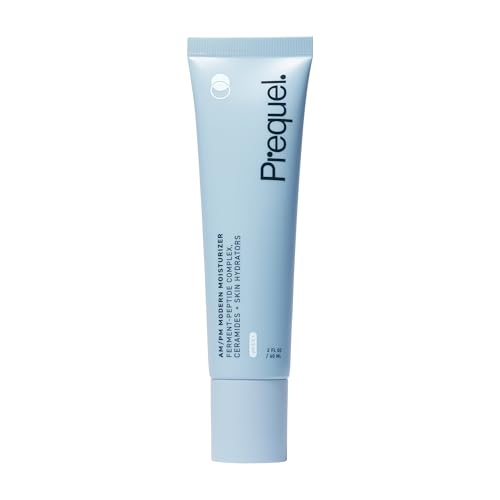
Prequel Skin Face Moisturizer Peptide Cream With Ceramides Glycerin Barrier

ONGREDIENTS Skin Barrier Calming Lotion (220ml)

Prequel Skin Multi Quench Hydration Plumping Serum

LANEIGE Water Bank Blue Hyaluronic Cream Moisturizer

ANUA Collagen Retinol Refining Gua Sha Cream (2.7 fl.oz)
A Deeper Look At The Lineup
Dehydrated skin often shows up alongside a weakened moisture barrier, especially after over-exfoliating, traveling through dry climates, or recovering from retinoid use. The Prequel peptide cream is built around that exact problem, layering a ferment-peptide complex with glycerin, polyglycerides, and ceramides to address both the water shortage and the structural lipids that keep water from escaping.
Where the first Prequel pick targets the face broadly, this one leans into repair, so it makes the most sense for skin that feels tight, looks dull, or has visible flaking that lighter gels can’t seem to fix. You can use it morning and night, though you may find the richer texture sits a bit heavily under silicone-heavy makeup on hot days.
Where It Delivers
- Combines peptides, ceramides, and glycerin to address hydration and barrier integrity in one step
- Cream texture stays comfortable through long office days without pilling under sunscreen
- Doubling as a night cream means fewer separate products on the shelf
- Fragrance profile reads mild, which matters when your barrier is already on edge
Points To Keep In Mind
- Texture can feel richer than expected for oily or acne-prone complexions in humid weather
- Peptide-infused formulas are typically priced higher per ounce than basic moisturizers
Feature Snapshot
Who It Suits Best
Anyone rebuilding a compromised barrier after retinoids, over-exfoliation, or a long winter indoors will get the most out of this formula.
Where Another Pick Suits Better
Shoppers with reactive, easily flushed skin may prefer the ONGREDIENTS Skin Barrier Calming Lotion, which leans harder on centella and a lighter lotion feel.
The ONGREDIENTS lotion takes a quieter approach than the Prequel cream, trading rich occlusive texture for a fluid, fast-absorbing finish that still manages to deliver meaningful hydration. Centella asiatica (a plant extract long used in Korean skincare for its soothing reputation) sits at the center, supported by a nine-peptide complex and glucose to keep the skin’s surface comfortable and resilient.
At 220ml, the bottle is generous, which makes this one a reasonable choice for people who apply lotion to both face and neck, or who want a single product to share across morning and evening steps. Sensitive skin types who found the Prequel cream too rich will likely appreciate the lighter slip here.
Useful Highlights
- Centella-forward formula calms visible redness alongside the dehydration itself
- Peptide complex supports the moisture barrier without the weight of a traditional cream
- Generous 220ml size stretches further for face-and-neck application
- Layered cleanly under serums, sunscreen, and light foundation in testing-style routines
Worth Noting
- Lighter texture may not be enough as a sole winter moisturizer in very dry climates
- Centella-sensitive users should still patch test before committing to full-face use
Best Suited To
Sensitive or redness-prone complexions that need hydration without heavy occlusive feel will appreciate this lotion most.
Skip It When
You live somewhere with extreme cold or low indoor humidity, in which case the LANEIGE Water Bank Blue Hyaluronic Cream Moisturizer’s richer ceramide-squalane base will likely serve you better.
Serums do different work than creams, and the Prequel Multi Quench makes that distinction very clear. Rather than sealing anything in, this formula pours water into the skin using polyglutamic acid (PGA, a humectant that holds several times its weight in water, even more than hyaluronic acid in some studies), paired with glycerin and osmolytes (small molecules that help skin cells manage water balance) for a layered approach to plumping.
Use it right after cleansing and before your moisturizer. Skin that feels papery, shows fine dehydration lines, or looks deflated by late afternoon will read noticeably plumper within minutes of application, which makes it a useful base layer under either the Prequel cream or the LANEIGE moisturizer from this list.
Why It Works Well
- PGA pulls in and holds water more aggressively than hyaluronic acid alone
- Osmolytes help skin cells regulate moisture at a deeper level, not just the surface
- Layered cleanly under moisturizer and sunscreen without any pilling in most routines
- Lightweight texture works for skin that rejects heavy creams, even when it’s dehydrated
Honest Caveats
- Won’t replace a moisturizer on its own, since it lacks the occlusive lipids that seal everything in
- Bottle size tends to run smaller than cream jars, so heavy daily users will go through it faster than expected
Quick Facts
Made For
Routines that already include a separate moisturizer and want to add a powerful humectant layer underneath.
A Better Fit Elsewhere
Anyone wanting a single-bottle, no-layering solution should consider the LANEIGE Water Bank Blue Hyaluronic Cream Moisturizer, which combines hydration and barrier support in one step.
LANEIGE has built its reputation around hyaluronic acid, and the Water Bank Blue Hyaluronic Cream is a clear expression of that. The “blue” version of the company’s hyaluronic ingredient is processed to penetrate more effectively, paired here with squalane (a lightweight, skin-identical oil) and ceramide to round out the barrier story.
This is the most flexible option in the lineup, working morning and night, under makeup or on bare skin, and across most climate zones. Where the Prequel serum targets water-binding and the ONGREDIENTS lotion prioritizes calm, this one does a bit of both in a single jar, which suits busy routines.
What Earns Its Place
- Combines hyaluronic acid, squalane, and ceramide in one step, simplifying routines
- Versatile enough for both morning and evening application
- Formulated for visible plumping alongside barrier support
- Brand has a long track record in the Korean skincare space, with broad user familiarity
Trade Offs
- Doesn’t deliver the deep, sustained hydration of layering the Prequel Multi Quench serum underneath
- May not be rich enough for very dry skin in cold, low-humidity winters
Whose Shelf It Belongs On
Anyone building a low-fuss daily routine that needs hydration and barrier support from a single product will find this the most convenient pick here.
Consider Something Else When
Skin that responds better to centella and peptide combinations will be happier with the ONGREDIENTS Skin Barrier Calming Lotion instead.
Most dehydrated-skin routines focus on the face, but the neck and jawline dehydrate just as easily and show their age faster. The ANUA cream addresses that gap directly, formulated for the neck-to-décolleté area with retinol capsules, collagen, and peptides, and shipping with a built-in gua sha roller for the massage step most people skip.
The gua sha tool turns a regular cream application into a brief lifting massage, which is genuinely useful since the neck is often where the first signs of dehydration show up. Retinol introduces tolerance questions, so this one is best for skin that’s already acclimated, not for first-time retinol users.
Key Advantages
- Built-in gua sha roller encourages the massage step that improves product absorption
- Retinol, collagen, and peptides address texture and firmness alongside hydration
- 2.7 fl.oz size is enough for daily neck-and-jawline use over several weeks
- Targets an area most face-focused moisturizers overlook
Some Limits To Know
- Retinol content means this isn’t ideal for pregnancy or for skin new to retinoids
- Doesn’t replace a dedicated face moisturizer for the cheeks, forehead, and chin
- Gua sha roller requires basic technique to avoid pulling on already-fragile neck skin
Right Fit For
Routines that already have a solid face moisturizer and want to extend the same care to the neck and jawline will get the most from this pick.
Another Choice May Suit
People who only want to address facial dehydration, with no neck area concern, can put the Prequel Skin Face Moisturizer Peptide Cream on rotation instead and skip the retinol complexity.
What To Weigh Before Choosing A Hydration Pick
Knowing what’s actually happening in your skin helps every other decision fall into place. Dehydrated skin lacks water specifically, so humectants (ingredients that pull water toward the skin, like hyaluronic acid, glycerin, and polyglutamic acid) matter more than heavy butters that primarily add oil. The picks above each lean on humectants first, then layer in barrier-repair ingredients to keep that water from evaporating right back out.
Texture preference matters too, since the best product is the one you’ll actually use twice a day. Lotion textures like the ONGREDIENTS option feel weightless and layer well under makeup, while richer creams like the LANEIGE and Prequel peptide formulas are better suited to dry climates, mature skin, or evening routines. Climate, layering habits, and your skin’s sensitivity to actives like retinol will all shape which texture and ingredient story fits.
Layering creates flexibility but also complexity. A serum-first, cream-second approach (Prequel Multi Quench under the Prequel peptide cream, for example) tends to deliver more noticeable results for very dehydrated skin, but a single multi-tasking cream like the LANEIGE jar often works perfectly well for mild to moderate dehydration without the extra step.
Key Considerations Across These Picks
Pitfalls Shoppers Hit
Many people reach for richer and richer creams when their skin feels tight, but that approach addresses the wrong issue. Dehydration is a water problem, so thick balms can sit on the surface without actually replacing what’s missing. Another common misstep is skipping sunscreen when adding a humectant serum, since UV exposure quietly undoes hydration gains. Patch testing new actives (especially retinol in the ANUA cream) also saves a lot of frustration.
When Paying More Pays Off
Higher-tier options in this category typically invest in multi-weight humectants like dual-weight PGA, in ceramide complexes that better mimic the skin’s own lipid structure, and in textures that absorb without residue. You can absolutely hydrate skin with simpler formulas, but the upgraded versions tend to deliver longer-lasting comfort and faster visible plumping, which matters when dehydration is severe or when you simply don’t want to layer five products every morning.
Frequently Asked Questions
How long does it take for dehydrated skin to improve with a new routine?
Most people notice softer, more comfortable skin within one to two weeks of consistent use, though deeper barrier repair can take four to six weeks.
Can oily skin be dehydrated too?
Absolutely, and this trips up a lot of routines. Dehydration is about water, not oil, so even oily complexions can show tightness, flaking, and mid-day shine from compensating for a water shortage.
Should I use a serum and a cream together?
Layering a humectant serum like the Prequel Multi Quench under a barrier-supporting cream is a proven strategy for more stubborn dehydration, though a single well-formulated product like the LANEIGE Water Bank works for milder cases.
Is retinol safe for dehydrated skin?
It can be, but only once the barrier is already stable. Starting retinol (as in the ANUA cream) on freshly dehydrated skin tends to backfire, so build hydration first, then introduce the active slowly.
Do I still need sunscreen when focused on hydration?
Yes. Sun exposure pulls water out of the skin and breaks down the lipids that keep it there, so any hydration routine without daily SPF loses a meaningful share of its gains.
Final Takeaway
Dehydrated skin rewards consistency more than it rewards any single product, so the best pick is the one you’ll actually reach for every morning and night. Match the texture to your climate, layer strategically when one product isn’t enough, and give the routine a few weeks before deciding whether it’s working.
