

Oily skin already fights a daily battle with midday shine, and layering on sunscreen often makes things worse. The right spf moisturisers for oily skin pull double duty, hydrating without clogging pores and protecting without leaving a slick behind. This lineup focuses on formulas built for faces that produce excess oil, from matte-finish moisturizers to mineral SPF 30 options. You’ll find picks suited to sensitive skin, acne-prone complexions, and anyone who wants a single step that covers sun protection and hydration without the grease.
A Closer Look At The Lineup

Neutrogena Ultra Gentle Daily Facial Moisturizer (Fragrance-Free)

La Roche-Posay Toleriane Double Repair Matte Face Moisturizer
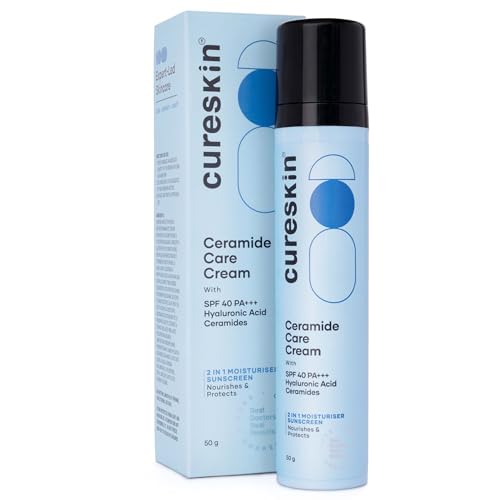
Cureskin Ceramide Moisturizer SPF 40 PA+++

Mario Badescu Mineral Sunscreen SPF 30 (Oil-Free)

Y’OUR Tinted Moisturizer SPF 30 BB Cream
A Deeper Look At The Lineup
This Neutrogena option targets faces that flush, sting, or break out from typical sunscreen formulas. The fragrance-free approach (no added perfume means fewer ingredients that trigger reactive skin) makes it approachable for anyone whose skin protests at the first sign of a new product. The 3.4 fl oz bottle covers a few months of twice-daily application, depending on how generously you apply.
Where it sits in the lineup is clear: while the La Roche-Posay Toleriane Double Repair Matte Face Moisturizer leans into oil control, this one prioritizes gentleness. For daily commuting or working under fluorescent office lights, broad spectrum SPF 30 protection handles incidental sun exposure without forcing you to layer multiple products.
Noteworthy Benefits
- Fragrance-free, so it skips the perfumes that often set off sensitive or acne-prone complexions
- Broad spectrum SPF 30 covers both UVA (aging) and UVB (burning) rays in a single morning step
- 3.4 fl oz size lasts through months of regular use, offering solid value per bottle
- The lightweight texture absorbs cleanly and plays nicely under makeup or sunscreen primer
Things To Consider
- It does not market itself as a dedicated matte finish, so very oily skin may want a setting step
- Owners commonly report the pump dispenser needing a few priming presses before product flows
At A Glance
Who It Suits Best
Reactive, sensitive, and acne-prone skin types who want a gentle daily moisturizer with built-in sun protection.
Look Elsewhere When
You want a true matte, shine-blocking finish: the La Roche-Posay Toleriane Double Repair Matte Face Moisturizer is built for that specific need.
This is the pick for anyone whose T-zone turns glossy by 10 a.m. La Roche-Posay built the Toleriane Double Repair Matte Face Moisturizer around a non-greasy texture that holds shine down through long workdays. The “matte” in the name is the headline, and the formula leans into a dry-touch finish rather than a dewy one.
Compared to the Neutrogena Ultra Gentle Daily Facial Moisturizer from earlier in this roundup, this one trades fragrance-free minimalism for oil-targeting performance. It is also oxybenzone-free (oxybenzone is a chemical UV filter some people prefer to avoid), which matters for skincare routines built around specific ingredient preferences. For hot climates, summer commutes, or anyone who has tried regular SPF and given up on the midday blot, this is the angle to consider.
Strengths Worth Knowing
- The matte finish is genuinely long-wearing, which is rare in a moisturizer with built-in SPF
- Oxybenzone-free formulation broadens its appeal for ingredient-conscious shoppers
- Broad spectrum SPF 30 delivers both UVA and UVB coverage in one step
- La Roche-Posay’s Toleriane line is widely recommended for reactive complexions
Trade Offs
- The matte finish can feel slightly tight on already-dry patches, so combination skin may need spot hydration
- It costs more per ounce than basic drugstore options, which is fair for the oil-control payoff but worth noting
Right Fit For
Oily and combination skin types who need oil control, a matte look, and sun protection in a single morning product.
Skip It When
You prefer a tinted, color-correcting finish in your SPF: the Y’OUR Tinted Moisturizer SPF 30 is the better swap for that goal.
Cureskin’s ceramide moisturizer steps up the protection with SPF 40 and a PA+++ rating (the PA system measures UVA defense on a + to ++++ scale, so +++ sits near the top for daily use). The ceramide focus targets skin that feels stripped, reactive, or compromised from over-exfoliation or harsh acne treatments. Think of it as a barrier-repair product that happens to carry serious sun protection.
Where this fits the lineup is in the middle. The Mario Badescu Mineral Sunscreen SPF 30 handles sensitive skin with mineral filters, while Cureskin leans on chemical filters plus a barrier-repairing ingredient stack. For dry-oily skin (oily on the surface but dehydrated underneath), the ceramide-plus-hyaluronic-acid combination tackles both concerns without tipping into grease territory.
Notable Gains
- SPF 40 PA+++ delivers stronger UVA defense than most competitors in this category
- Ceramides (lipids that help repair the skin’s natural moisture barrier) support skin recovering from retinoids or acne treatments
- Hyaluronic acid adds hydration without weight, which matters for oily skin that still needs moisture
- The 1.76 oz tube is travel-friendly and won’t take up much counter space
Honest Caveats
- Higher SPF can feel slightly heavier on truly oily skin during humid weather
- Brand recognition is lower than La Roche-Posay or Neutrogena, so it’s harder to find offline for a patch test first
- You may find the ceramide focus unnecessary if your barrier is already healthy
Key Specs
Made For
Anyone with compromised or dry-oily skin recovering from harsh treatments, who also wants elevated daily sun protection.
Not Your Match When
You need a true matte finish for very oily T-zone skin: the La Roche-Posay Toleriane Double Repair Matte Face Moisturizer is purpose-built for that.
This Mario Badescu option takes the mineral route. Zinc oxide is the active filter, which sits on top of the skin and reflects UV rather than absorbing it, a setup that tends to play well with sensitive, reactive, and blemish-prone complexions. The 1.5 fl oz tube is the smallest in the lineup, but mineral sunscreens are typically used sparingly because a little goes a long way.
What separates it from the chemical-filter Cureskin Ceramide Moisturizer SPF 40 is the reef-safe angle. If you swim in the ocean, live near a coast, or just prefer ingredients that don’t wash off into marine ecosystems, mineral filters are the standard choice. The hyaluronic acid and antioxidant additions soften what is sometimes a chalky mineral experience.
What Pays Off
- Zinc oxide base works well for sensitive and blemish-prone skin that flares with chemical filters
- Reef-safe formulation appeals to ocean swimmers and ingredient-conscious shoppers
- Oil-free finish keeps shine in check across the T-zone
- Hyaluronic acid and antioxidants layer in hydration without weight
Worth Bearing In Mind
- Mineral filters can leave a faint white cast on deeper skin tones, depending on application amount
- Owners commonly report needing extra blending time compared to chemical SPF options
Best Suited To
Sensitive, blemish-prone, and ocean-conscious shoppers who want mineral sun protection without heavy oils.
Consider Something Else When
You want a higher SPF rating in a lightweight formula: the Cureskin Ceramide Moisturizer SPF 40 PA+++ steps protection up a notch.
The Y’OUR Tinted Moisturizer SPF 30 collapses three steps into one: hydration, sun protection, and a sheer wash of color. The “BB cream” label hints at its hybrid job. It is a moisturizer that also evens out skin tone, so mornings get shorter. The 1.35 oz tube is the smallest in this roundup, which is fair given that a tinted product gets used in smaller amounts.
The honest read on tinted moisturizers is that they trade oil-control precision for convenience. Unlike the La Roche-Posay Toleriane Double Repair Matte Face Moisturizer, which targets shine aggressively, this one sits somewhere between dewy and natural. For low-maintenance routines, that trade is usually worth it.
Real Benefits
- Sheer, buildable tint evens out minor redness and unevenness without a heavy foundation feel
- Broad spectrum SPF 30 covers daily UV exposure in a single product
- Oil-free formula keeps the finish from sliding into greasy territory by midday
- Suitable across mature, dry, and oily skin types, depending on what you layer underneath
Small Caveats
- Sheer coverage will not replace a full foundation for anyone who wants more evening-out
- Available in a “Light” shade within this listing, so deeper tones may need to look elsewhere in the line
Perfect Match For
Busy mornings, minimal makeup routines, and anyone who wants hydration, sun protection, and a touch of color in one step.
Swap It Out When
You want a dedicated matte, untinted SPF for very oily skin: the La Roche-Posay Toleriane Double Repair Matte Face Moisturizer is the stronger pick.
How To Choose spf moisturisers for oily skin That Actually Work
Oily skin complicates sun protection because most traditional sunscreens add moisture the skin does not need. The right product keeps the barrier hydrated while keeping sebum production from spiraling through the afternoon.
Filter Type: Mineral vs. Chemical
Mineral filters (zinc oxide, titanium dioxide) sit on the skin and deflect UV. They tend to suit sensitive and blemish-prone complexions but can leave a faint cast. Chemical filters absorb UV and typically feel lighter, though some people react to specific ingredients like oxybenzone. The Mario Badescu Mineral Sunscreen SPF 30 takes the mineral route, while the Cureskin Ceramide Moisturizer uses chemical filters paired with barrier-repairing ceramides.
SPF and UVA Rating
SPF 30 blocks about 97% of UVB rays, which is the standard daily baseline. Anything higher (like the SPF 40 in the Cureskin pick) offers marginal extra protection but matters more for extended outdoor time. PA ratings (the + to ++++ scale common on Asian skincare labels) measure UVA defense, which ages the skin. PA+++ is a solid daily target.
Finish and Texture
Matte finishes control shine but can feel tight on dry patches. Dewy finishes look healthy but may slide on oily skin. The honest read is that a “matte” label usually means a more aggressive oil-control formula, while “dewy” or “natural” finishes lean toward hydration. Match the finish to your skin’s oil output across the T-zone versus cheeks.
Supporting Ingredients
Ceramides repair the moisture barrier. Hyaluronic acid pulls in water without adding oil. Antioxidants (vitamins C, E, ferulic acid) help counter UV-related free radical damage. These additions matter more than people expect, especially for skin dealing with acne treatments or retinoids that strip the barrier.
Key Considerations Across These Picks
Where Shoppers Go Wrong
The most common mistake is choosing the highest SPF available without considering how the formula behaves on oily skin. SPF 50 in a heavy cream can clog pores and feel greasy by noon, defeating the purpose. Another pitfall is skipping patch testing. Even fragrance-free formulas can include preservatives or plant extracts that trigger reactions, so a 48-hour test behind the ear saves trouble later. Finally, applying too little product is widespread. Most people under-apply SPF, getting far less protection than the label promises.
When Paying More Pays Off
Premium pricing in this category usually buys better oil-control technology, more sophisticated filter systems, or stronger barrier-repair ingredients. The La Roche-Posay Toleriane Double Repair Matte Face Moisturizer costs more per ounce than basic options because the matte finish actually holds through a full workday. For daily users, that longevity justifies the price. For occasional use, a drugstore option may be plenty.
Frequently Asked Questions
How often should oily skin types reapply SPF moisturizer?
Every two hours during direct sun exposure, or immediately after sweating. For office days with brief outdoor time, a morning application of SPF 30 usually holds.
Will SPF moisturizer make oily skin break out?
Not necessarily, but heavy or comedogenic formulas can. Look for labels like “non-comedogenic” (meaning the product is formulated not to clog pores) and “oil-free” if breakouts are a regular concern.
Is SPF 30 enough for daily use?
For most indoor and casual outdoor days, yes. Choose SPF 40 or 50 for beach days, hikes, or any extended direct sun exposure.
Can I use tinted moisturizer with SPF as my only sun protection?
Yes, as long as you apply enough of it to get the labeled protection. Most people under-apply tinted products, which reduces the effective SPF significantly.
Should I apply SPF moisturizer before or after serum?
SPF goes last in your morning routine, after serum and moisturizer, so it forms a protective layer on the surface. Wait a minute between layers for clean absorption.
The Takeaway
Oily skin deserves sun protection that respects the skin’s oil production instead of fighting it. The lineup above covers the main paths: a gentle fragrance-free option, a dedicated matte formula, a barrier-repair pick with stronger SPF, a mineral filter for sensitive skin, and a tinted hybrid for streamlined mornings. Pick based on your skin’s biggest concern, and adjust as the seasons or your routine shifts.
