

Construction sites, farm fields, landscaping crews, and roof jobs all share one reality: the sun is a constant, and sweat is inevitable. A sunscreen that feels fine on a beach towel can sting, slide, or vanish in a single shift. This roundup rounds up eight options formulated to stay put through heavy perspiration, repeat hand-washing, and long hours of direct UV exposure. Whether the priority is a quick spray between tasks, a lotion that genuinely covers exposed skin, or a face formula that doesn’t migrate into the eyes, the picks below cover the main scenarios that come up across outdoor trades.
The Picks In Brief

Coppertone SPORT Sunscreen Spray SPF 50, 3-Pack

Banana Boat Sport SPF 100 Sunscreen Spray, 6 oz

Sun Bum Original SPF 70 Sunscreen Body Lotion, 8 oz

Banana Boat Sport Cool Zone SPF 50 Sunscreen Spray, 6 oz, 2 Pack

Sun Bum Original SPF 50 Roll-On Sunscreen, 3 oz
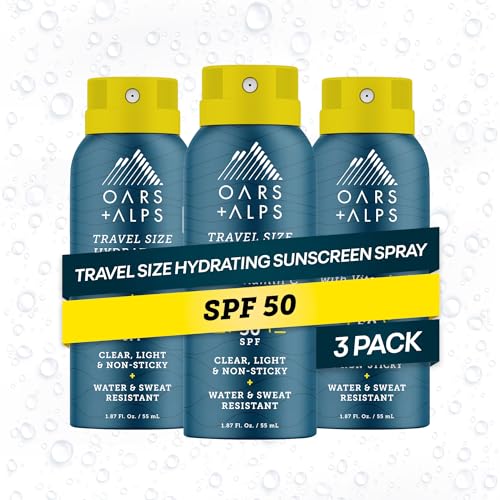
Oars + Alps SPF 50 Face & Body Sunscreen Spray

Oars + Alps SPF 37 Sunscreen & Anti-Aging Face Moisturizer

Oars + Alps SPF 50 Body Sunscreen Spray, 2-Pack, 6 oz
More Details On Our Top Picks
For crews who need to reapply fast without losing momentum, this Coppertone Sport spray takes a lot of friction out of the routine. The continuous sprayer covers odd angles, which is helpful when reaching the back of the neck or the tops of forearms on a ladder.
Broad-spectrum SPF 50 covers both UVA (aging) and UVB (burning) rays, and the formula is built to hold through sweat and water for up to 80 minutes. Crews who share one pack of cans will appreciate the 3-bottle format, since it cuts down on runs to the supply closet midweek.
Everyday Wins
- Continuous spray makes it fast to cover large skin areas between tasks.
- Broad-spectrum SPF 50 blocks both UVA and UVB rays at the same time.
- Water- and sweat-resistant for roughly 80 minutes, which suits most shift lengths.
- Free of dyes, PABA, octinoxate, and oxybenzone, which matters for workers with sensitive skin.
- Three-can bundle is practical for crews that share a locker or job-box supply.
Things To Consider
- Spray can drift in wind, so a calm day or a sheltered spot speeds up application.
- Owners commonly report the finish feels slightly slick until it fully sets, which can grip gloves briefly.
Feature Snapshot
Who It Suits Best
Roofers, landscapers, and concrete crews who need a quick body reapplication between tasks and want a multi-pack that lasts through the workweek.
Consider Something Else When
Workers who prefer a thicker lotion base for the face or who get easily annoyed by aerosol overspray should reach for Sun Bum Original SPF 70 Sunscreen Body Lotion instead.
Where the UV index climbs and there is no shade to retreat to, this Banana Boat Sport spray offers the highest listed SPF rating in the roundup. It is a body spray built for endurance rather than a quick touch-up, and it is intended to keep coverage when the work has workers in direct sun for hours.
The formula is designed to feel breathable, with a non-greasy finish that does not weigh the skin down under a harness or vest. The sport framing matches outdoor work well, since the same sweat-and-water conditions that challenge surfers also challenge roofers and surveyors.
Real-World Strengths
- SPF 100 broad spectrum, which is unusually high for an over-the-counter body spray.
- Sport-oriented formula holds up under heavy perspiration.
- Non-greasy feel keeps gear, straps, and dust masks from sliding around.
Honest Caveats
- The single 6-ounce can runs out fast on full-body daily use, so most crews stock multiple cans.
- Sprays can feel cold on freshly shaved or wind-burned skin, depending on conditions.
- No published ingredient exclusions, so anyone with chemical-filter sensitivities should patch test first.
Right Fit For
Workers in high-elevation or open-sky environments (roofers, surveyors, agricultural crews) who need a high-rated body spray and do not mind reapplying often.
Skip It When
Anyone who needs a face-specific or reef-compliant formula should pick the Oars + Alps SPF 50 Face & Body Broad Spectrum Sunscreen Spray instead.
After two spray picks, this Sun Bum Original lotion brings the focus back to a more traditional cream that stays where it is rubbed. SPF 70 broad spectrum means workers can cover exposed arms, neck, and ears once at the start of a shift and not worry about gaps forming mid-morning.
The 8-ounce bottle is a comfortable size for a single user, and the lotion base spreads evenly without the aerosol drift that the sprays can produce on breezy sites. For workers who want one bottle to live in a duffel or cooler, it is a steady choice.
What Works In Its Favor
- SPF 70 broad spectrum gives generous headroom for long direct-sun shifts.
- Lotion base applies precisely, which helps cover ears, the back of the neck, and forearms.
- Single 8 oz bottle is a manageable size for a personal kit or jobsite cooler.
Worth Bearing In Mind
- Application takes more time than a spray, especially over large areas like the back.
- Lotion can transfer to gloves and tool handles if not rubbed in fully.
Best Suited To
Solo trades (electricians, painters, carpenters) who apply sunscreen at the start of the day and prefer a controlled, lotion-based application.
Another Choice May Suit
Workers who need a faster mid-shift reapplication will find the Coppertone SPORT Sunscreen Spray SPF 50, 3-Pack easier to manage.
Heat is its own hazard, and on a 95-degree roofing job, a sunscreen that feels cool on contact is a small morale boost. This Banana Boat Cool Zone spray is engineered to deliver a noticeable cooling sensation when it hits the skin, which can make reapplication feel less like a chore.
SPF 50 broad spectrum holds the same coverage level as the standard Banana Boat Sport spray, and the 2-pack format spreads the supply across a work truck or trailer. For crews in humid, sticky climates, the cool feel is a real benefit, not a marketing flourish.
Positive Takeaways
- Cooling sensation on contact helps offset hot, sticky reapplication moments.
- SPF 50 broad spectrum, sport-level water resistance up to 80 minutes.
- 2-pack gives a backup can for a job trailer or a second worker.
Points To Keep In Mind
- Cooling effect is strongest on bare skin, so it matters less over heavy clothing layers.
- Some users find the scent stronger than plain Sport formulas, depending on personal sensitivity.
Made For
Crews working in humid, sun-baked conditions (southeastern landscapers, dock workers, road crews) who want a refreshing reapplication mid-shift.
Look Elsewhere When
Anyone who prefers a lotion feel or needs reef-compliant chemistry for coastal work should consider the Oars + Alps SPF 50 Face & Body Broad Spectrum Sunscreen Spray instead.
Pocket-sized sun protection is often the difference between remembering to reapply and skipping it entirely. This Sun Bum roll-on sits in a back pocket, a tool belt, or a vest pouch, and the rolling ball makes quick work of small zones like the ears, nose, and tops of the hands.
SPF 50 broad spectrum keeps coverage high even with a 3-ounce tube, and the roll-on design eliminates both aerosol drift and the need for a second hand. For workers who already carry a tape measure, a multi-tool, and gloves, a quiet little tube is a low-friction add.
What Pays Off
- Roll-on applicator keeps mess contained, no aerosol needed.
- 3 oz size fits a tool belt or cargo pocket without bulk.
- SPF 50 broad spectrum on par with the larger Sun Bum lotion.
Trade-Offs To Consider
- Small tube runs out fast on full-body coverage, so it is best for spot touch-ups rather than a first morning application.
- Roll-on ball can pick up dust and grit on a dirty jobsite, depending on storage habits.
Who Will Love This
Field technicians, lineworkers, and arborists who already carry a loaded belt and need a small bottle to spot-treat the face, ears, and hands.
Reach For A Different Pick When
Anyone applying full-body coverage from a 5-gallon bucket supply should keep the larger Sun Bum Original SPF 70 Sunscreen Body Lotion on hand instead.
For workers in coastal, lake, or river-adjacent roles, reef-safe chemistry is more than a preference. This Oars + Alps spray is formulated to be Hawaii Reef Act 104 compliant, which means it avoids the chemical UV filters (oxybenzone and octinoxate) that are restricted on certain marine work sites.
SPF 50 broad spectrum and 80 minutes of water and sweat resistance cover the basics, and the travel-size can slips into a dry bag or a vest pocket. The brand also leans on hydrating ingredients like Alpine Caribou Moss and olive leaf extract, so the finish feels less drying than a typical aerosol.
The Case For It
- Reef Act 104 compliant chemistry suits marine and freshwater work sites.
- Can be applied to wet skin, which is useful on dock and boat jobs.
- 360-degree spray reaches awkward spots without twisting the can upside down repeatedly.
- Travel-size format fits a dry bag, vest pocket, or cooler.
Small Caveats
- Smaller can means more frequent replacement on heavy daily use.
- Premium positioning tends to price it above the drugstore sport sprays.
Quick Facts
Perfect Match For
Commercial fishermen, dock crews, marine construction, and anyone working around sensitive waterways who needs compliant chemistry in a portable can.
A Better Fit Elsewhere
Workers who need a face-specific daily moisturizer with sun protection will get more value from the Oars + Alps SPF 37 Sunscreen & Anti-Aging Face Moisturizer.
Most of the picks here are body sprays and lotions, but the face needs its own routine. This Oars + Alps moisturizer combines SPF 37 broad spectrum with hyaluronic acid (a humectant that draws moisture into the skin), so it can replace a separate morning moisturizer for workers who wash their face at the start of the day and head outside.
SPF 37 is more modest than the body options above, so it suits everyday exposure more than a full roof-shift under midday sun. For face coverage on jobs where dust, glasses, and respirators already sit on the skin, a lighter SPF moisturizer is often more practical than a thicker body sunscreen.
What Stands Out
- Combines moisturizer and sunscreen in one step, simplifying the morning routine.
- Hyaluronic acid adds hydration for skin that is washed and exposed daily.
- Oil-free and non-greasy, so it sits well under safety glasses and respirators.
A Few Limitations
- SPF 37 is lighter than the body options and may not cover peak-sun job sites alone.
- Reapplication mid-shift still requires a separate product, since this is a face moisturizer, not a sport spray.
Whose Shelf It Belongs On
Outdoor workers with a structured morning routine who want face-level sun protection built into a daily moisturizer, especially when paired with a hat and glasses.
Swap It Out When
Anyone facing a full 8-hour high-UV shift should pair this with a higher-SPF body spray like the Banana Boat Sport SPF 100 Sunscreen Spray for added coverage.
Where customer-facing outdoor work is the daily routine (real estate agents doing open houses, surveyors meeting property owners, outdoor retail staff) a sunscreen that leaves a visible white cast is a real annoyance. This Oars + Alps spray is designed to go on clear, so it does not telegraph a thick layer of product during close-up conversations.
SPF 50 broad spectrum, 80 minutes of water and sweat resistance, and a 2-pack format give the basics a generous supply. Vitamin C is included in the formula, which can help with general skin appearance over time without making the sunscreen feel greasy.
Well-Handled Touches
- Clear finish avoids white residue on darker sleeves, collars, and visible skin.
- 2-pack format suits one worker over a season or two users in a household.
- SPF 50 broad spectrum with 80 minutes of sweat and water resistance.
- Can be applied to wet skin, which is helpful after a quick rinse at a job site.
Less-Strong Areas
- Premium brand positioning, so the 2-pack sits well above drugstore sport sprays on the price-per-ounce scale.
- Spray is best for body use; the face still benefits from a separate daily moisturizer with SPF.
Feature Card
Built With In Mind
Customer-facing outdoor professionals who want a clear, non-greasy body sunscreen that does not leave visible residue during face-to-face interactions.
Where A Sibling Pick Shines
Workers who want reef-compliant chemistry for marine sites should pick the Oars + Alps SPF 50 Face & Body Broad Spectrum Sunscreen Spray (Item 6) instead.
Matching a Sunscreen to the Way Work Actually Feels
The first call is format. Sprays cover large areas fast and suit mid-shift reapplication, but they drift in wind and can leave a slick grip. Lotions stay put once rubbed in and give precise control over coverage, but they take more time and can transfer to gloves. Roll-ons fit a tool belt and handle small zones, which is why they are useful for face and ear touch-ups. For most outdoor workers, a combo of one body spray and one face moisturizer covers the routine without overcomplicating it.
SPF rating matters, but more is not always better past a certain point. SPF 30 blocks roughly 97% of UVB rays, while SPF 50 blocks about 98% and SPF 100 around 99%, so the jump in protection gets smaller as the number climbs. The bigger gain often comes from applying the right amount (most people under-apply) and reapplying on schedule, especially after toweling off sweat or washing hands.
Water and sweat resistance ratings are the next layer. An 80-minute rating is the standard for sport formulas and usually covers a full shift between breaks. Workers in jobs that involve repeated water contact (dock work, marine construction, irrigation) should treat that 80 minutes as a ceiling, not a baseline, and reapply as soon as the skin dries off.
Ingredients and exclusions are worth scanning for two reasons. First, anyone with a history of skin reactions benefits from formulas that skip dyes, fragrances, or common chemical filters like oxybenzone. Second, workers in marine and freshwater environments increasingly need reef-safe chemistry that avoids the filters restricted under laws like Hawaii’s Reef Act 104, which is a real concern for coastal crews.
Finally, the practical ownership picture matters. Cans should be stored out of direct sun and extreme heat (a truck cab in summer can cook an aerosol). Lotion bottles last longer but should be capped tightly so the formula does not dry out. A small zip pouch for sun protection in the truck, alongside gloves and a hat, makes it harder to forget a midday reapplication.
Quick Lessons From the Roundup
Common Buying Slip Ups
The most common error is reaching for the highest SPF and assuming the work is done. Coverage that is too thin, missed spots like the ears and the back of the neck, and skipping reapplication after toweling off sweat all erode the protection a label claims. A mid-range SPF applied generously and reapplied on schedule usually outperforms a high SPF applied once and forgotten.
Where The Extra Money Goes
Stepping up to a brand like Oars + Alps typically buys cleaner ingredient lists, reef-safe chemistry, and finishes designed to feel lighter on the skin. For workers in marine environments, customer-facing roles, or those with sensitive skin, that upgrade pays off in comfort and compliance. For crews who mainly need durable body coverage and reapply often, a drugstore sport spray does the same basic job at a lower per-ounce cost.
Frequently Asked Questions
How often should outdoor workers reapply sunscreen on the job?
Most formulas should be reapplied every two hours, or sooner after toweling off sweat, washing hands, or rinsing water from the skin. Water-resistant products are rated for a fixed window (often 80 minutes), which is the maximum time between reapplication during heavy sweating or water exposure.
Is SPF 50 enough for a full shift outdoors?
For most outdoor trades, SPF 50 broad spectrum is a solid baseline. The bigger factor is applying enough (about a shot glass worth for full body) and reapplying on schedule, since under-application and missed spots reduce real-world protection more than the label number does.
Are reef-safe sunscreens necessary for inland workers?
Not strictly, but the same formulas that avoid oxybenzone and octinoxate tend to be gentler on sensitive skin, which matters for workers who apply sunscreen daily. Marine and freshwater crews should follow local guidelines, since some job sites now require reef-compliant chemistry.
Can body sunscreen be used on the face?
It can, but face-specific moisturizers with SPF tend to be lighter, oil-free, and formulated to sit comfortably under glasses, hats, and respirators. A dedicated face option also helps avoid transferring body sunscreen into the eyes during heavy sweat.
What is the best way to store sunscreen on a hot jobsite?
Keep cans and bottles in a cooler, a shaded toolbox, or an air-conditioned cab whenever possible. Aerosol cans in particular should stay out of direct sun, since high heat can affect the pressure and the formula inside, and lotion bottles should be tightly capped to prevent the product from drying out.
