

Surface cleaning wipes earn their keep in the moments that matter most: a sticky counter after breakfast, a doorknob everyone in the house touches, a quick wipe-down before guests arrive. The right wipe cuts your cleaning time, handles the surface you point it at, and leaves behind nothing but a clean finish. The wrong wipe shreds, streaks, or simply does too little.
This roundup covers five options that span everyday home use, heavy-duty jobs, and bulk household stocking. Each one fills a different niche, and the differences between them show up in the grit of the cloth, the chemistry on the wipe, and the count you get per package.
An Overview Of The Picks

CloroxPro Clorox EcoClean Disinfecting Wipes, 100% Plant Based, 75 Count

Juniper CLEAN 24 Pack Surface Cleaning Wipes with Bleach, 1728 Count

Juniper CLEAN 3 Pack Surface Cleaning Wipes with Bleach, 216 Count

Crocodile Cloth PowerSCRUB Heavy-Duty Hand & Tool Wipes, 80 Count
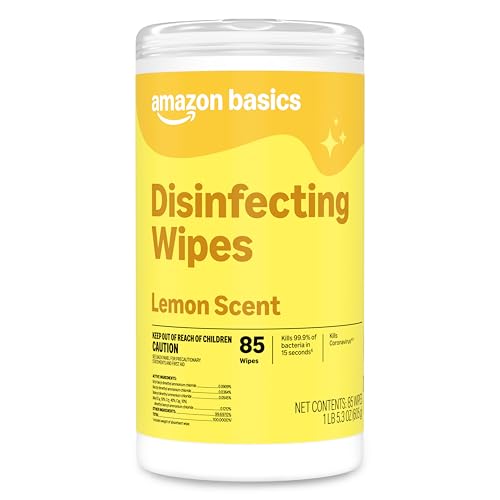
Amazon Basics Disinfecting Wipes, Lemon Scent, 85 Count
More Details On Our Top Picks
The EcoClean wipe runs on citric acid rather than the harsher chemistries you find in most disinfecting cloths, which makes it a sensible pick for shared kitchens, classroom surfaces, and the parts of your home where kids or pets regularly put their hands. It registers with the EPA as a disinfectant, so the plant-based label is not just a marketing line.
For households that want one wipe to handle counters, doorknobs, and light switch plates without the bleach smell hanging around, this is a practical middle ground. Compared to the bleach-forward Juniper CLEAN wipes covered below, the EcoClean formula is gentler on finished wood and stainless steel, though you still want to spot-test before going over a delicate surface.
The Value In It
- Plant-derived active ingredient reduces the chemical load in busy homes.
- Registered disinfectant action on common household bacteria and viruses.
- Substrate (the wipe material itself) stays moist in the canister longer than many economy options, so the last wipe pulls out usable instead of bone-dry.
- Suitable across kitchen, bathroom, and shared office surfaces without switching products.
Things To Consider
- Citric acid disinfects more slowly than bleach, so contact time matters more on heavily soiled surfaces.
- The 75-count tub runs out faster than the bulk bleach packs for high-volume households.
Who It Suits Best
Families and shared-space households that want an EPA-registered disinfectant without leaning on bleach or quat-based formulas (quats are ammonium chloride cleaning agents found in many wipes).
Look Elsewhere When
You need a heavy bulk pack for a classroom or large facility, where the Juniper CLEAN 24 Pack Surface Cleaning Wipes with Bleach, 1728 Count makes far more sense.
This is the bulk-buy answer for anyone stocking a janitor’s closet, a multi-bathroom home, or a small business. Each canister carries 72 wipes and the case brings 24 of them, which removes the monthly restock headache for most households and a long stretch of downtime for offices.
The bleach-based formula powers through soap scum, bathroom soils, and the kind of sticky kitchen residue that an everyday wipe just smears around. Where the EcoClean wipe above trades raw cleaning strength for a milder chemistry, Juniper CLEAN leans into the bleach side of the trade-off. The Soft Flow substrate is built to resist tearing on rougher surfaces, and the lint-free claim matters when you are wiping down a glass shelf or a stainless appliance front.
Benefits That Matter
- Massive 1728-count case handles large households, offices, and light commercial cleaning.
- Bleach chemistry tackles mold, mildew, and soap residue that milder wipes leave behind.
- Lint-free construction keeps glass and polished metal free of fuzzy residue.
- Soft Flow substrate stays intact during scrubbing, so you finish the job without fishing shreds off the counter.
Worth Noting
- Bulk case demands dedicated storage space, which can be tough in small apartments.
- Bleach fragrance lingers longer than citric acid or alcohol-based alternatives.
- Unsuitable for finished wood, natural stone, and any surface the manufacturer warns against bleach contact.
Key Specs
Made For
Large households, property managers, and small offices that need a single bleach wipe to cover routine cleaning at scale.
A Better Fit Elsewhere
Studio apartment dwellers may find the 3 Pack Juniper CLEAN 216 Count version below easier to store and finish before the wipes dry out.
Same wipe, smaller footprint. The 3-pack brings 216 wipes split across three canisters, which is enough to scatter one in the kitchen, one in the bathroom, and one as backup without the bulk case turning into a storage problem.
You get the same Soft Flow substrate, the same lint-free claim, and the same bleach-driven cleaning as the 24-pack above, just in a friendlier format for smaller homes. The honest read is that this is the version most apartment dwellers will actually finish before the wipes lose moisture.
Everyday Perks
- Three canisters let you stage wipes in multiple rooms at once.
- Bleach formula handles soap scum and kitchen grease in a single pass.
- Lint-free wipe keeps mirrors and appliance fronts clean without a follow-up polish.
Trade Offs
- Still carries the bleach smell, so poorly ventilated bathrooms can feel strong during use.
- Smaller pack means more frequent reordering than the 24-pack version for heavy users.
Right Fit For
Apartment households and couples who want bleach-strength wipes without committing to a 24-canister case.
Reach For A Different Pick When
You want a gentler, plant-based formula, in which case the CloroxPro EcoClean Wipes above is the better chemistry match.
Crocodile Cloth sits in a different lane from the household wipes above. The PowerSCRUB is built for hands, tools, and the kind of grimy surfaces that a kitchen wipe is not designed to touch. The dual-sided design matters here: a textured face for scuffing off grease, paint, and caulk, and a smoother side for absorbing the mess once it is loose.
For weekend wrenchers, woodworkers, and anyone working a garage or job site, this is the wipe that replaces the old shop rag and a bottle of goop. Keep in mind it is positioned as an industrial and janitorial product, so the scent and cleaning profile are tuned for heavy soil rather than the light kitchen counter touch-ups that the EcoClean or Amazon Basics wipes handle best.
What It Does Well
- Textured scrubbing side lifts dried grease, ink, adhesives, and caulk without a separate brush.
- Absorbent smooth side pulls the loosened grime off the surface in the same pass.
- Substrate is designed to resist tearing on rough tools and textured surfaces.
- Replaces rags, paper towels, and solvent bottles for many shop tasks.
Points To Note
- Overkill for routine kitchen and bathroom cleaning, where gentler wipes finish faster.
- Industrial formula means the scent skews stronger than household disinfecting wipes.
Feature Snapshot
Best Suited To
DIYers, mechanics, and tradespeople who need one wipe that handles grease, paint, and caulk as readily as it handles the lunchtime cleanup.
Swap It Out When
You mostly clean kitchen counters and bathroom surfaces, where the Amazon Basics Disinfecting Wipes below are a more appropriate daily-driver.
The Amazon Basics tub rounds out the household side of this list with a thicker substrate and a lemon scent that lingers pleasantly on a freshly wiped counter. The thick build helps when you are working a sticky spot, because a thinner wipe often tears before the mess is gone.
You get an 85-count canister that suits the kitchen counter, the bathroom sink, and the daily high-touch routine around the home. Compared to the bleach-forward Juniper CLEAN wipes covered above, the chemistry here is milder and the scent is the kind of thing that makes the wipe pleasant to use on a Tuesday morning rather than something you tolerate for the cleaning power.
The Practical Payoff
- Thick substrate holds up on sticky counters and dried spills without shredding.
- Lemon scent freshens the room during use rather than just sanitizing.
- Disinfects common bacteria and viruses on hard, non-porous surfaces.
- Deodorizes while cleaning, so it doubles as a quick freshener for trash can lids and bathroom counters.
Small Caveats
- Lemon fragrance may bother households sensitive to scented cleaning products.
- Not formulated for heavy grease or workshop grime, where the Crocodile Cloth above is the right tool.
Quick Facts
Whose Shelf It Belongs On
Households that want a thick, scented, everyday wipe for the kitchen and bathroom rotation without a heavy chemical footprint.
Not Your Match When
You need a bleach-based wipe for stubborn mold or mildew, where the Juniper CLEAN 3 Pack Surface Cleaning Wipes with Bleach, 216 Count pulls ahead.
What Matters Most Before Choosing Surface Cleaning Wipes
Start with the surface. Kitchen counters, bathroom tile, and shared doorknobs call for a disinfectant wipe with broad-spectrum (effective against a wide range of bacteria and viruses) action. Garage benches, tool handles, and post-DIY hands call for something tougher, like a dual-sided scrub wipe. Picking a wipe built for the wrong room usually ends in either too much chemistry on a food-prep surface or too little cleaning power on a stained workbench.
Next, weigh the chemistry. Bleach-based wipes cut through mold, mildew, and bathroom soils fast, but they can damage finished wood, natural stone, and certain metals. Plant-based citric acid formulas disinfect more gently and play nicer with sensitive surfaces, though contact time grows. Scented quat-based wipes land in the middle for daily kitchen use, balancing cleaning strength with a pleasant finish.
Count and format matter more than most shoppers expect. A 75-count canister is fine for a single bathroom, while a 24-pack case is built for stocking multiple rooms or a small business. A wipe that dries out in the back of the canister is wasted money, so match the package size to how fast you actually use them.
Finally, think about substrate strength. A thin wipe tears on sticky counters and forces a second pass. A thicker wipe or a dual-sided scrub wipe holds up on rougher jobs and saves time in the long run, especially in homes with kids, pets, or active workshops.
Key Considerations Across These Picks
Common Shopping Slip Ups
The most frequent mistake is choosing a wipe for its fragrance rather than its cleaning chemistry. A lemon scent that smells pleasant does little against soap scum if the active ingredient is not designed for it. Match the wipe to the soil first, then worry about scent.
Another trap is buying the largest pack available without considering storage. A 24-canister case stored in a humid garage loses moisture fast, and a wipe that dries out in the tub is no bargain. Choose a pack size that fits your storage conditions and your real consumption rate.
Where The Extra Money Goes
Higher-tier wipes usually charge for substrate quality, active ingredient strength, and packaging that resists moisture loss. A thicker, dual-sided wipe costs more per sheet because it replaces both a scrubber and a paper towel in one step. A registered disinfectant with a milder plant-based active ingredient costs more because the formulation work is harder than standard bleach chemistry.
The upgrade pays off when you actually need the extra performance, like weekly deep cleans, post-renovation dust, or households where the wipes see daily use. For light daily touch-ups, the basic tier is usually enough.
Frequently Asked Questions
Are surface cleaning wipes safe for kitchen counters?
Yes, most household disinfectant wipes are designed for hard, non-porous kitchen surfaces like sealed countertops, appliance exteriors, and faucet handles. Avoid using bleach-based wipes on natural stone or unfinished wood, and follow the contact time on the packaging for proper disinfection.
How long does a wipe stay wet in the canister?
A tightly sealed canister keeps most wipes moist for several weeks of normal use, but the topmost wipes can dry out faster in warm or low-humidity rooms. Closing the lid after every pull and storing the canister away from direct sunlight extends the usable life of every wipe inside.
Can I use the same wipe on multiple surfaces?
For routine cleaning, one wipe can move from counter to faucet to doorknob without an issue. For disinfection, most manufacturers recommend using a fresh wipe per surface area to avoid redepositing the germs you just picked up, especially in bathrooms.
What is the difference between sanitizing and disinfecting wipes?
Sanitizing reduces the number of germs on a surface to a level considered safe by public health standards. Disinfecting kills nearly all specified bacteria and viruses within a stated contact time, usually listed on the label. For high-touch areas like cutting boards or bathroom handles, disinfecting is the stronger choice.
Are plant-based disinfecting wipes as effective as bleach wipes?
EPA-registered plant-based wipes, like citric acid formulas, are tested against the same germ panels as bleach options. They may require longer contact time and a bit more dwell on the surface, but for everyday household use the performance gap is small enough that the gentler chemistry is often worth the trade.
Closing Remarks
The right surface cleaning wipe is the one that matches the room, the soil, and your storage reality. For routine kitchen and bathroom use, the Amazon Basics or CloroxPro EcoClean options cover the bases with a pleasant finish. For bleach-strength work or stocking a large household, the Juniper CLEAN packs bring the cleaning power. For shop messes and grimy hands, the Crocodile Cloth PowerSCRUB earns its spot on the bench. Pick the one that fits how you actually clean, and the rest takes care of itself.
