

Your skin in your 40s, 50s, and beyond is doing more than a single cream can handle on its own. A tinted sunscreen pulls double duty, replacing a separate foundation or moisturizer step while guarding against UV, blue light, and the uneven tone that creeps in later. The challenge is finding a formula that hydrates without sinking into fine lines, blends without streaking, and stays comfortable through a full day. Each of the picks below earns its place by handling those demands in a slightly different way, so you can match a formula to the way you actually live.
The Choices Worth Comparing

EltaMD UV Skin Recovery Mineral Face Sunscreen, SPF 50

Colorescience Total Protection Face Shield Flex, SPF 50

Cetaphil Tinted Mineral Face Sunscreen, SPF 40, 1.7oz
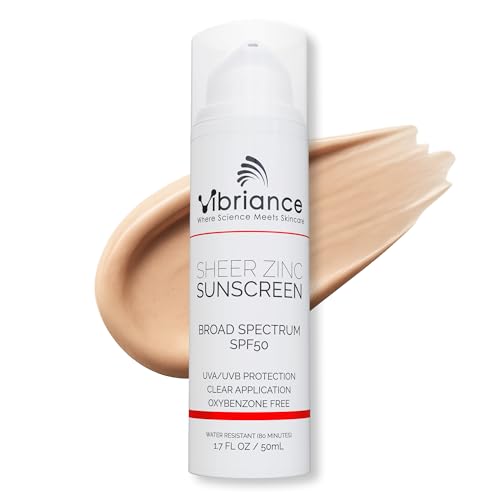
Vibriance Sheer Zinc Tinted Sunscreen for Face SPF 50, 1.7 fl oz

Healthy Skin Lab Protect Tinted Moisturizer SPF 50, 1.8 oz
More On The Choices That Made The List
This formula leans into mineral UV filters (zinc oxide and titanium dioxide are the only FDA-recognized mineral sunscreen actives), which is often the first thing a dermatologist suggests for skin that has gotten more reactive over the years. The green tint does real work, dialing down the persistent pink around the nose and cheeks that tends to deepen with hormonal shifts.
Texture-wise, the lotion absorbs quickly, sits under makeup, and doesn’t drag when you layer a serum beneath it. For anyone who has watched heavy creams settle into smile lines, the lighter finish here feels like a small daily relief.
Useful Highlights
- 100% mineral active filter blend, a plus for reactive skin
- Green-tinted base softens visible redness on contact
- Lightweight, oil-free feel that doesn’t pool in creases
- Hypoallergenic and non-comedogenic framing for easily irritated skin
Trade Offs
- Green tint is corrective, so it may read ashy on deeper complexions without a second layer
- Mineral filters can feel slightly drier on already parched skin, so a hyaluronic acid serum underneath helps
Made For
Anyone with persistent redness, rosacea-prone skin, or post-procedure sensitivity who still wants a soft wash of color in one step.
Look Elsewhere When
You want a one-and-done hydrating tint and you’d rather reach for the Healthy Skin Lab Protect Tinted Moisturizer SPF 50, which is built around a hyaluronic acid base.
Where the EltaMD focuses on calming reactive skin, this one stretches its ambitions further. It positions itself as a full environmental shield, layering mineral UV defense with iron oxide pigments that adapt to your tone as you work the product in. The payoff is a demi-matte finish that doesn’t look flat the way some heavy SPFs do.
Iron oxide is the same pigment family used in many mineral foundations, and it does double duty here by neutralizing the grayish cast that pure zinc tends to leave behind. For someone commuting through a polluted city or spending long hours in front of a screen, the broader defense profile justifies the higher per-ounce cost.
Key Advantages
- Mineral zinc oxide base with broad-spectrum SPF 50
- Iron oxide pigments adapt during blending for a demi-matte finish
- Buildable coverage that can sub in for a light foundation on most days
- Designed to sit comfortably under serums and moisturizers
Worth Noting
- Adaptation to a single tone is convenient, but those with very fair or very deep skin may find the universal match slightly off
- Higher pigment load means thorough removal at night, so a balm or oil cleanser is worth keeping on hand
Quick Facts
Best Suited To
Urban commuters and screen-heavy workers who want one product to handle UV, blue light, and a polished daytime finish.
Skip It When
Your routine already includes a separate foundation you love, in which case the lighter Vibriance Sheer Zinc Tinted Sunscreen for Face SPF 50 keeps things simpler.
Cetaphil has built its reputation on being the brand a dermatologist hands you when nothing else agrees with your face. The tinted version carries that sensibility forward, pairing mineral UV filters with a sheer wash of color that blends into a range of tones without a lot of effort.
SPF 40 is a step below the SPF 50 crowd, but for office-heavy days and moderate outdoor exposure it’s well within the range dermatologists consider protective. The lotion glides on like a moisturizer, which makes it easy to wear under makeup or on its own during errands.
Advantages To Know
- Mineral filter base aimed at sensitive and reactive complexions
- Sheer tint blends across a range of skin tones
- Hydrating lotion texture that doubles as a daily moisturizer
Some Limits To Know
- SPF 40 is fine for everyday indoor use, but long beach days call for a stronger SPF layer on top
- The sheer tint offers light coverage, so deeper discoloration or pigmentation spots will still show through
Whose Shelf It Belongs On
Anyone with sensitive skin, anyone recovering from in-office treatments, or anyone who wants a no-fuss morning step that won’t fight a serum layered beneath.
Consider Something Else When
You want more environmental coverage, in which case the Colorescience Total Protection Face Shield Flex offers a broader defense profile.
The pitch here is straightforward: a zinc-based sunscreen that goes on clear, leaves no white cast, and finishes with a soft glow rather than a flat matte. On mature skin that has started to lose its natural luminosity, that finish reads as healthy rather than chalky.
Coverage is buildable, leaning closer to a skin tint than a foundation. For someone who wants to even out tone and blur the look of pores without committing to a full face of makeup, this lands in a useful middle ground.
The Practical Payoff
- Sheer tint that disappears into a range of complexions
- Buildable coverage that smooths uneven tone over time
- Broad-spectrum SPF 50 mineral protection
- Lightweight finish that won’t settle into expression lines
Honest Caveats
- The glowy finish can read oily on already-shiny T-zones by mid-afternoon, so blotting sheets are a useful companion
- Light coverage means significant sun spots or post-acne marks may need a separate concealer step
Right Fit For
Anyone who wants a natural, “your skin but better” finish and prefers a low-coverage daily product over heavier foundation.
Not Your Match When
You need a corrective green-tint for visible redness, where the EltaMD UV Skin Recovery Mineral Face Sunscreen does that job more directly.
This is the option to reach for when dryness is the louder complaint. Built around hyaluronic acid (a humectant that draws water into the upper layers of skin), it functions as a tinted moisturizer first and a sunscreen second, while still meeting the broad-spectrum SPF 50 bar.
The universal tint leans sheer, so it’s most useful for evening tone rather than covering pronounced discoloration. On dehydrated mature skin, that combination of moisture plus mineral UV defense can replace two steps in a morning routine.
What Helps Most
- Hyaluronic acid base delivers real hydration alongside UV protection
- Mineral broad-spectrum SPF 50 for everyday outdoor exposure
- Sheer universal tint that works across most undertones
- Lightweight feel suitable for layering under additional makeup
Points To Keep In Mind
- Sheer coverage won’t mask dark spots, so a targeted concealer may still be needed
- Dermatologist-tested framing is reassuring, but patch testing is still smart if you have a known hyaluronic acid sensitivity
Feature Snapshot
Who Should Grab It
Anyone whose mature skin trends dry and wants to merge moisturizer, sunscreen, and a touch of color into a single morning step.
Where Another Pick Suits Better
If your priority is calming persistent redness, the EltaMD UV Skin Recovery Mineral Face Sunscreen handles that corrective work more directly.
What To Weigh Before Choosing Tinted Sunscreens For Mature Skin
Mineral versus chemical filters is the first fork in the road. Mineral actives (zinc oxide and titanium dioxide) sit on the surface and deflect UV, which suits reactive or post-procedure skin. Chemical filters absorb UV and convert it to heat, which can feel lighter on the skin but sometimes stings on sensitive types. Most formulas in this list use mineral bases for exactly that reason.
Coverage level matters more than people expect. A sheer tint evens tone without masking spots, while a buildable formula can replace foundation. Mature skin tends to look more natural with lighter pigment loads, since heavy coverage can settle into fine lines throughout the day.
Hydration ingredients like hyaluronic acid, glycerin, and squalane are worth scanning the label for, especially in your 50s and beyond when skin’s lipid barrier thins. A formula that treats moisture and UV in one step simplifies the morning and reduces the friction of layering multiple products.
Finish is the detail that decides daily comfort. A demi-matte read photographs well and resists shine, while a glowy finish looks fresher in person but may need blotting by mid-afternoon. Match the finish to your skin type and your climate, and you’ll wear the product more consistently, which matters more than any single ingredient.
Key Considerations Across These Picks
Pitfalls Shoppers Hit
The most common mistake is choosing a tint based on the swatch in the tube rather than how it oxidizes on your skin. Some iron oxide formulas shift warmer or cooler after a few minutes of wear, so a quick patch test on the jawline is worth the extra minute.
Another trap is assuming a higher SPF always wins. SPF 50 blocks roughly 98% of UVB rays while SPF 40 blocks about 97%, a small enough gap that the comfort of a lower SPF often leads to more consistent reapplication, which is what actually protects your skin.
Where The Extra Money Goes
Premium formulas invest in pigment technology that adapts to a wider range of tones, which reduces the need to color-match at the counter. You’re also paying for stability, since higher-end mineral SPFs tend to stay suspended evenly rather than separating in the bottle.
The upgrade pays off most for anyone with hard-to-match undertones or for those who want one product to handle UV, blue light, and light foundation duty in a single step. If your skin is straightforward and your needs are simple, a daily-use formula at a friendlier price still does the job well.
Frequently Asked Questions
Can tinted sunscreen replace foundation on mature skin? Yes, the buildable formulas in this list can stand in for light to medium coverage foundation, especially the Colorescience and Vibriance options. For full-coverage needs, layer a separate concealer on spots and pigmentation.
Will mineral sunscreen leave a white cast on deeper skin tones? Modern mineral formulas use iron oxide pigments and finer zinc particles to reduce the chalky finish older versions were known for. Test on your jawline first, since undertone and oxidation can shift the final read.
How often should tinted sunscreen be reapplied? Every two hours during direct sun exposure, or immediately after swimming or heavy sweating. Over a tinted base, a powder SPF or mineral setting spray helps refresh the tint without disturbing your makeup.
Is SPF 40 enough for daily wear? For most office days and moderate outdoor time, SPF 40 is well within the protective range. For beach days, long drives, or peak summer exposure, an SPF 50 option like the Colorescience or Healthy Skin Lab formulas gives you more headroom.
Can I use a retinol at night with a mineral SPF by day? Yes, that pairing is widely used, since mineral filters don’t interact with retinol the way some chemical filters can. Just be sure to moisturize well at night and reapply sunscreen in the morning, especially after exfoliating treatments.
Bottom Line
A good tinted sunscreen for mature skin earns its spot by doing three things at once: protecting against UV, replacing a step you’d otherwise add, and leaving your skin looking like skin rather than makeup. Match the formula to your real concern, whether that’s redness, dryness, or simply a more even tone, and the rest of the routine gets easier. Start with the one that solves your loudest complaint, and the rest tends to fall into place.
