

Tinted sunscreen has quietly become the workhorse of modern morning routines. It replaces the separate moisturizer, foundation, and SPF steps, and for anyone short on time (or patience with multiple products) that consolidation is the whole point. The challenge is finding a formula that protects skin from UVA and UVB rays without leaving a chalky cast, breaking down into fine lines by mid-afternoon, or feeling greasy under makeup.
Coverage levels vary widely, from whisper-light tints that even out minor redness to pigmented options that genuinely replace a light foundation. Finish matters just as much, since a luminous formula under a matte foundation turns patchy, while a heavy matte sunscreen paired with dry skin can emphasize flakes. The six formulas below were chosen to cover the realistic range: light daily tints, mineral primers, tone-adapting shields, brush-on reapplication options, and a fragrance-free pick for reactive skin.
A Quick View Of The Lineup

Clarins UV Plus Anti-Pollution SPF 50 Tinted Sunscreen
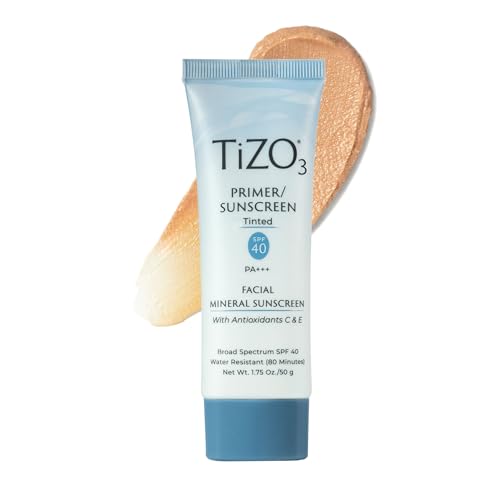
TIZO3 Facial Mineral Sunscreen and Primer SPF 40

Colorescience Total Protection Face Shield Flex SPF 50

Colorescience Total Protection Color Balm SPF 50 Golden Hour

Colorescience Total Protection Brush-On Shield SPF 50

MISTINE Mineral Sunscreen Lotion for Face SPF 50+
A Breakdown Of The Leading Choices
Clarins positions this tinted sunscreen for people whose skin faces more than just UV exposure, and that framing makes sense in city environments. The broad spectrum SPF 50 rating covers both UVA (aging) and UVB (burning) rays, while the brand’s anti-pollution complex targets the free radical and particulate matter that accumulates during a commute or office day indoors.
Where this formula earns its place is in the wear. The sheer, oil-free finish layers cleanly under makeup or stands alone on minimal mornings, and the inclusion of hyaluronic acid (a moisture-binding ingredient that holds water in the skin’s surface) helps counteract the drying pull some high-SPF products leave behind. For someone who wants one step that handles sun, pollution, and light coverage without feeling like armor, it fits naturally.
Why It Works Well
- Triple-action defense against UVA, UVB, and environmental pollutants in a single step
- Sheer, oil-free texture that avoids the heavy slip common in SPF 50 formulas
- Hyaluronic acid supports hydration through long office or travel days
- Light tint evens minor redness without requiring separate foundation on relaxed days
Things To Consider
- The tint range is limited, so deeper skin tones may find the universal shade leans ashy
- Requires a good shake before application, which is easy to forget in a rushed routine
Feature Snapshot
Whose Shelf It Belongs On
Office workers, city commuters, and anyone whose skin faces daily pollution exposure alongside UV rays.
Skip It When
Those wanting a true mineral-only formula should reach for the TIZO3 Facial Mineral Sunscreen and Primer SPF 40 instead, since it skips chemical UV filters entirely.
TIZO3 takes a different route from the Clarins formula by relying entirely on mineral UV filters rather than chemical ones. Mineral filters sit on top of the skin and deflect UV rays, which appeals to anyone who has reacted to chemical sunscreens or simply prefers the gentler approach for daily use. The PA+++ rating indicates strong UVA protection specifically, a detail that matters for people worried about long-wave aging rays.
The silky matte finish is the real story here. Foundation grips this base far better than it grips a dewy sunscreen, and the sheer tint softens redness without competing with concealer. In a routine where makeup needs to survive a full workday, that primer function is genuinely useful. The 1.75 oz size also lasts longer than it looks, since a little goes a long way.
Real Benefits
- Mineral-only formula with no chemical filters, dyes, fragrances, or preservatives
- Silky matte base that grips foundation and prevents midday sliding
- PA+++ rating confirms strong defense against UVA aging rays
- Water resistant up to 80 minutes for sweaty commutes or light workouts
Honest Caveats
- Mineral filters can leave a faint cast on very deep skin tones without careful blending
- The tube tends to need firm squeezing near the end, which can waste a small amount of product
Who Should Grab It
Makeup wearers who want a primer that pulls double duty as SPF, and anyone preferring a fully mineral formula.
A Better Fit Elsewhere
Shoppers wanting a higher SPF rating in a mineral base should consider the Colorescience Total Protection Face Shield Flex SPF 50, which also adapts to different skin tones.
The Flex earned its name by solving one of the oldest problems in mineral sunscreen: the chalky white cast. This formula starts out white in the tube and on initial application, then adapts to the wearer’s skin tone through iron oxide pigments (mineral-based color particles that shift hue as they are blended). The more you work it into the skin, the more the coverage builds to a demi-matte, natural-looking finish.
Beyond clever color science, the protection profile is broader than most daily SPFs. The 100% mineral zinc oxide formula defends against UVA, UVB, pollution, HEV blue light from screens, and infrared radiation, all in one layer. The PA++++ rating is the highest tier in the PA system, indicating very high UVA defense. That makes the Flex a solid pick for someone who works long hours in front of a monitor and wants broad coverage without layering multiple products.
Positive Takeaways
- Tone-adapting pigments minimize the white cast common to mineral SPF
- Buildable demi-matte coverage that adjusts to lighter or deeper complexions
- Defense extends beyond UV to blue light, pollution, and infrared
- Water and sweat resistance holds up through workouts and humid days
Points To Note
- Blending takes slightly longer than a pre-tinted mineral sunscreen
- The size runs small relative to how much product a full face application requires
Best Suited To
Anyone frustrated by white cast from mineral sunscreens and wanting a tone-matching option for screen-heavy workdays.
Look Elsewhere When
Those needing a quick brush-on reapplication during the day should look at the Colorescience Total Protection Brush-On Shield SPF 50, which is built specifically for that purpose.
The Color Balm is the most playful entry in this lineup. It is a hybrid product designed to add SPF 50 mineral protection while doubling as a buildable tint for lips and cheeks, a multitasking angle that suits minimalists and travelers equally well. The Golden Hour shade is a warm, sun-kissed hue that blends out to a soft wash or builds toward a fuller cheek color with direct application.
Underneath the color, the formula carries the same 100% mineral zinc oxide base as the Face Shield Flex, with the same patented defense against pollution, blue light, and infrared. Water resistance holds for 40 minutes, which covers most casual outings but falls short of a serious swim. The compact size makes it easy to toss into a small bag for beach days or weekend trips, and the dual-purpose design cuts down on the number of products to pack.
A Few Strong Suits
- Buildable color works as a sheer flush or fuller tint on lips and cheeks
- SPF 50 mineral protection in a portable balm format
- Compact size slips into travel kits and small purses
- Multi-zone use reduces the number of products needed in a routine
Trade Offs
- Single shade (Golden Hour) limits options for cooler or deeper skin tones
- 40-minute water resistance is shorter than the Face Shield Flex or TIZO3 formulas
- Not a substitute for full-face sunscreen coverage on its own
Core Details
Made For
Travelers, minimalists, and anyone wanting warm color plus SPF in a single carry-on-friendly product.
Consider Something Else When
Those needing full-face daily coverage should turn to the Clarins UV Plus Anti-Pollution SPF 50 Tinted Sunscreen, which is designed for all-over wear rather than targeted touch-ups.
The Brush-On Shield solves a problem most people ignore: how to reapply sunscreen over makeup without ruining it. The powder format dispenses through a soft brush, laying down a sheer layer of SPF 50 mineral protection on top of foundation or bare skin. The Medium shade works on a wide range of skin tones, and the integrated brush keeps application mess-free in a handbag or gym bag.
The active filter load is serious for a powder, with zinc oxide and titanium dioxide each sitting at 22.5%, so the protection is real rather than nominal. Hyaluronic acid in powder form helps the formula reinforce moisture rather than dry the skin, which is a common complaint with powder sunscreens. Water and sweat resistance lasts 80 minutes, comfortably covering a long walk, hike, or outdoor workout.
Standout Benefits
- Brush-on format allows reapplication over makeup without disturbing it
- High active filter concentration (zinc oxide and titanium dioxide at 22.5% each) for genuine SPF 50 protection
- Hyaluronic acid powder supports skin moisture during wear
- 80-minute water and sweat resistance suits active outdoor use
- Antioxidant blend helps defend against pollution and free radicals
Practical Considerations
- Not a substitute for a liquid base layer applied in the morning
- The Medium shade may sit slightly warm on very fair or very deep complexions
Who Will Love This
Runners, golfers, parents at the school pickup line, and anyone who needs midday reapplication without a mirror or sink.
Another Choice May Suit
Those seeking morning full-face coverage with a single layer should start with the TIZO3 Facial Mineral Sunscreen and Primer SPF 40, which lays down a liquid base that the Brush-On can later top up.
Mistine rounds out the list with a Korean-formulated mineral sunscreen aimed at sensitive and post-procedure skin. The 100% zinc oxide base means no chemical UV filters enter the bloodstream, a consideration that has grown in importance among consumers. The formula is fragrance-free, reef-safe, and dermatologist-tested, so it checks the boxes that matter to reactive skin types.
What makes the Mistine formula interesting is the texture work. Korean sunscreen development has long focused on elegant, cosmetically refined finishes, and this lotion feels closer to a lightweight moisturizer than a traditional mineral paste. The 40 mL size is travel-friendly, though frequent users will go through it quickly. Coverage is light, so it is best paired with a separate concealer on days where more pigment is needed.
Where It Excels
- 100% zinc oxide with no chemical filters suits sensitive and reactive skin
- Fragrance-free, reef-safe, and dermatologist-tested formula
- Lightweight Korean-beauty texture that avoids the thick paste feel of older mineral SPFs
- Non-oily finish layers well under hydrating serums and light makeup
Where It May Fall Short
- 40 mL bottle is smaller than most daily-use options and may need frequent repurchasing
- Light coverage does not replace a tinted moisturizer on days needing more pigment
Quick Facts
Right Fit For
Reactive skin types, post-procedure routines, and anyone preferring a gentle, fragrance-free mineral sunscreen for daily wear.
Where Another Pick Suits Better
Those wanting more coverage and a primer-style matte base should consider the TIZO3 Facial Mineral Sunscreen and Primer SPF 40, which adds primer grip and a slightly fuller tint.
Matching The Right Formula To Your Routine
Understanding Mineral Versus Chemical Filters
Mineral sunscreens use zinc oxide and titanium dioxide to physically deflect UV rays from the skin’s surface. They tend to be gentler and start protecting immediately on application. Chemical filters, by contrast, absorb UV and convert it to heat, which some skin types find irritating. For anyone with sensitivity, rosacea, or a preference for reef-friendly ingredients, mineral is the safer starting point. The trade-off is texture: mineral formulas historically felt heavier, though modern Korean and European development has closed that gap considerably.
Choosing The Right Coverage Level
A sheer tint evens minor redness and blends into most skin tones, ideal for low-maintenance mornings. A medium tint covers blemishes and replaces a light foundation for casual days. A buildable formula, like the Colorescience Flex, lets the wearer decide how much coverage they want each morning. For anyone whose skin has more to conceal, layering a tinted sunscreen under a separate concealer is often more effective than searching for a single high-coverage product.
Finish, Wear, And Reapplication Habits
A dewy or luminous finish flatters dry skin and pairs well under satin foundation. A matte finish grips makeup and resists midday shine for combination or oily skin. Water and sweat resistance ratings (40, 80, or 90 minutes) matter for anyone who exercises, swims, or spends time outdoors. The honest reality is that no morning application lasts all day, so a brush-on or powder option is genuinely useful for midday touch-ups, especially over makeup.
Compatibility With Makeup And Skincare
Layering order matters. Sunscreen should sit on top of moisturizer and serum, but underneath foundation. A silicone-heavy primer can pill over certain mineral SPFs, so a quick patch test on the jawline saves frustration later. For tinted formulas, swatching on the inner wrist or jaw helps confirm the shade before committing to a full-face application.
Key Considerations Across These Picks
Pitfalls Shoppers Hit
The most common mistake is choosing a formula based on SPF number alone. An SPF 80 chemical sunscreen that irritates sensitive skin is a worse choice than an SPF 40 mineral option worn daily without complaint. Another trap is ignoring the undertone: a tint that pulls too pink or too yellow will look off under any lighting. Swatching at the jawline, in natural light, prevents the all-too-common return-after-one-use cycle.
When Paying More Pays Off
Higher-tier formulas in this category typically invest in texture, blend, and broader environmental defense. The Colorescience options, for example, layer blue light and infrared protection onto standard UV coverage, which justifies a higher price for screen-heavy workers. Premium picks also tend to be more elegant under makeup, which matters for daily wearers who would otherwise skip SPF altogether. For someone applying sunscreen every morning, that wearability upgrade is worth more than a slightly higher SPF number on a formula that ends up sitting in a drawer.
Frequently Asked Questions
What SPF level is enough for daily facial use?
Dermatologists generally recommend broad spectrum SPF 30 or higher for daily wear, with SPF 50 being a strong choice for prolonged outdoor exposure. Anything above SPF 50 offers marginal additional protection in exchange for a heavier feel.
Can tinted sunscreen replace foundation entirely?
On good skin days, a medium or buildable tinted sunscreen can absolutely replace a light foundation. For fuller coverage, a separate concealer on trouble spots works better than chasing a single high-coverage product.
Do mineral sunscreens really leave a white cast?
Older mineral formulas often did, but modern iron oxide pigments and micronized zinc have reduced the cast significantly. Tone-adapting formulas like the Colorescience Flex go a step further by shifting color on contact, though very deep skin tones should still swatch first.
How often should sunscreen be reapplied?
Every two hours during direct sun exposure, or immediately after swimming or heavy sweating. For office days with incidental exposure, a morning application plus a midday brush-on touch-up is a realistic baseline.
Is fragrance-free sunscreen always better for sensitive skin?
Fragrance is one of the most common irritation triggers in skincare, so fragrance-free formulas are a safer starting point for reactive skin. That said, sensitivity varies, and some fragrance-free formulas still contain other potential irritants like essential oils or certain preservatives, so ingredient lists are always worth a scan.
