

Cracked heels catch on socks, snag sheets, and make every step feel rougher than it should. A solid urea cream softens that hardened skin by drawing water into it, which is why dermatology-minded shoppers keep one in the bathroom cabinet year-round. This roundup covers eight options across different strengths and formats, from maximum-strength sticks to gentle daily lotions, so you can match the formula to how tough your skin actually is.
The Leading Options At A Glance

ZyraGloz Urea Cream Stick 60% + Salicylic Acid, 2-Pack
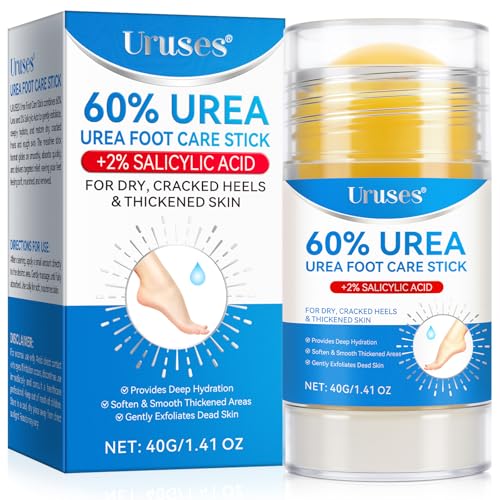
Uruses Urea Cream 60% Foot Care Stick

Eucerin UreaRepair Plus Foot Cream 10% Urea

Gehwol Med Lipidro Cream, 2.6 Fl Oz

OUKEYA Urea Cream 40% Foot & Hand Lotion


VREKEF Urea Cream 40% with 2% Salicylic Acid, 5.29 oz

flasture 60% Urea Cream Stick with Salicylic Acid, 1.4oz
More Details On Our Top Picks
This stick pairs a 60% urea concentration with 2% salicylic acid, an ingredient that loosens the bonds holding dead skin cells together. That combination targets the kind of thick, yellowed heel buildup a standard lotion barely dents. You get two sticks in the pack, which matters here because consistent daily use is what actually flattens calluses.
The stick format keeps fingers clean, and the solid balm sits where you put it instead of sliding off like a thin lotion. Anyone standing all day at work will recognize the problem this solves.
Well-Handled Touches
- Highest urea strength in this lineup, suited to stubborn, layered callus
- Salicylic acid helps flakes lift without scrubbing or pumice work
- Two-stick pack means one for home, one for the gym bag
- No-mess application, so socks go on right after without greasy prints
- Works beyond feet on knees, elbows, and dry knuckles
Things To Consider
- A 60% formula can tingle on freshly cracked skin, so ease in with every-other-day use at first
- Twist-up sticks are easy to lose caps on; store it upright in a zip pouch
Who Should Grab It
Anyone with long-neglected, heavily built-up heels who wants serious exfoliation in a tidy applicator.
Swap It Out When
Sensitive or fragrance-reactive skin calls for something gentler, and the Eucerin UreaRepair Plus at 10% urea is the calmer route.
Where the ZyraGloz stick leans hard into maximum strength, the Uruses version aims at the same 60%-plus-salicylic-acid territory with a friendlier everyday rhythm. It’s built for quick swipes after a shower, when skin absorbs moisture best. Commuters who toss foot care into a tote will appreciate that nothing leaks.
The brand emphasizes fast absorption and keratin softening, meaning the protein that makes calluses rigid gets broken down while moisture replaces it. In practice, that’s the two-step job most heel creams try to do in one.
Noteworthy Benefits
- 60% urea handles thick patches that 10% lotions only soften slowly
- Exfoliates dead cells while restoring hydration, so skin doesn’t flake as it smooths
- Stick body fits pockets and carry-on liquids rules alike
- Direct application to heels, knees, and hands without touching product
Worth Noting
- Single-stick packaging runs out faster under daily use than the ZyraGloz two-pack
- High-strength formulas are widely reported to sting on open cracks until skin closes up
Quick Facts
Built With In Mind
Gym-goers and travelers who want clinical-grade strength in a format that survives a backpack.
A Better Fit Elsewhere
Shoppers wanting a bigger supply of the same strength should look at the ZyraGloz 60% two-pack instead.
Eucerin is the pharmacy-shelf name most people already trust, and this 100ml tube reflects that heritage. Ten percent urea sits in the maintenance range: strong enough to keep mild roughness in check, mild enough for daily use on reactive skin. The formula skips added fragrance and colorants, which is the detail that separates it from the high-strength sticks above.
It’s an oil-in-water emulsion, meaning a light cream that spreads easily rather than a heavy balm. For maintenance between stronger treatments, few options fit better.
Useful Strengths
- Fragrance-free and colorant-free, a relief for sensitive or eczema-prone feet
- 10% urea matches the skin’s own moisturizing factor, so it hydrates without overwhelming
- 100ml tube lasts months of once-daily application
- Light emulsion absorbs fast enough for morning use before shoes go on
Small Caveats
- Ten percent won’t flatten established calluses; pair it with a stronger stick for heavy buildup
- Flip-top tubes can split at the seam over time, a commonly reported annoyance
Details At A Glance
Right Fit For
People with sensitive skin or mild seasonal dryness who want a dependable daily cream, not an aggressive treatment.
Reach For A Different Pick When
Deep cracks need real exfoliating power, and the VREKEF 40% formula with salicylic acid does that job faster.
Gehwol comes from the German podiatry tradition, and the Lipidro name points to its focus: rebuilding the lipid barrier, the fatty layer that locks water inside skin. Dehydrated feet often lack lipids more than they lack lotion, which is why some creams seem to evaporate by lunchtime. Urea here works alongside that repair job, softening callus by opening pathways for moisture into deeper layers.
Compared with the Eucerin’s straightforward hydration approach, this one reads as a targeted therapy for skin that feels tight and papery rather than merely flaky.
The Value In It
- Restores the skin’s lipid barrier, addressing dryness at its structural cause
- Urea softens existing callus while the barrier rebuilds underneath
- Unisex formulation from a long-established foot-care specialist
- Small 2.6 oz jar suits a nightstand routine without hogging shelf space
Points To Note
- Jar packaging means dipping fingers in; clean hands first to keep the cream sanitary
- Smaller volume costs more per ounce than tub-format rivals like the OUKEYA lotion
Whose Shelf It Belongs On
Adults with chronically dehydrated, tight-feeling skin, especially in winter heating season.
Another Choice May Suit
Those chasing maximum callus removal should step up to the flasture 60% stick, which trades barrier care for raw exfoliation.
Forty percent urea is the sweet spot for many people: strong enough to noticeably soften heels within a couple of weeks, gentle enough for nightly use. This OUKEYA lotion covers that middle ground at a friendly size, and its lightweight texture means no sticky residue clinging to bedsheets.
Because it’s a lotion rather than a stick, you can cover larger areas cheaply. Elbows, shins, and forearms all qualify, not just feet. For households where several people share one product, that flexibility earns its place.
The Good Stuff
- 40% urea delivers meaningful softening with less sting risk than 60% formulas
- Absorbs quickly and leaves no heavy film, so daytime use stays comfortable
- One container serves feet, hands, elbows, and knees
- Concentrated hydration aimed at stubborn spots without wasting product elsewhere
Potential Drawbacks
- Open-jar or wide-mouth formats can dry out over months; keep the lid snug
- Lotion spreads thinner than balm, so deep cracks may need a denser stick alongside it
Feature Rundown
Made For
Value-minded households treating general rough skin across multiple family members and body areas.
Consider Something Else When
Portability beats coverage, and the OUKEYA 40% stick version travels better than this tub-style lotion.
Same 40% urea strength as the OUKEYA lotion reviewed above, repackaged as a twist-up balm. The trade is simple: less spread area, far better portability and precision. Desk workers who rub heels during the day, or anyone keeping foot care in a handbag, get a format that won’t leak or spill.
The brand also highlights barrier nourishment alongside softening, so this reads as a maintenance tool rather than an emergency fix. Think of it as the lotion’s pocket-sized sibling, tuned for touch-ups between fuller treatments.
Bright Spots
- 40% urea softens hardened patches with moderate, manageable intensity
- Stick format applies directly to heels without fingers or mess
- Supports the skin barrier while conditioning severely dry zones
- Compact enough for purses, desk drawers, and carry-on bags
Less Ideal Details
- Narrow stick coverage slows down full-foot application compared with the OUKEYA lotion
- Exposed balm tip can pick up lint in a bag; recap firmly after each use
Who Will Love This
Frequent travelers and office workers maintaining moderately dry heels with quick, discreet applications.
Look Elsewhere When
Cracked heels need salicylic acid exfoliation too, and the Uruses 60% stick brings both actives in the same format.
VREKEF combines the mid-high 40% urea level with 2% salicylic acid, then rounds out the blend with glycerin, aloe vera, and sucrose. Glycerin is a humectant, a molecule that pulls water toward itself, so it keeps working after the urea has done its softening pass. That supporting cast is what sets this apart from plainer 40% formulas.
The 5.29 oz tub is also among the largest containers here, which suits people applying generously every night. Compared with the Eucerin, you gain exfoliation power; compared with the 60% sticks, you give up a little intensity for comfort.
Positive Points
- Urea plus salicylic acid tackles both hydration and dead-cell buildup together
- Aloe vera and glycerin soothe while the actives work, easing post-application tightness
- Large 5.29 oz volume supports months of nightly full-foot use
- Serves hands and rough body patches as readily as feet
Factors To Weigh
- Wide tub opening invites contamination; scoop with clean fingers or a small spatula
- Two exfoliating actives may feel active on freshly split skin until cracks close
Core Details
Who It Suits Best
Home users wanting one generous tub that treats cracked heels and rough hands with real exfoliating muscle.
Skip It When
Skin reacts to combined actives, and the plain 40% OUKEYA lotion offers similar strength without the salicylic acid.
The flasture stick carries the same headline pairing as our top pick, 60% urea with 2% salicylic acid, in a single 1.4 oz unit. Where the ZyraGloz pack optimizes for supply, this one optimizes for trying strong treatment without committing to multiples. It slots neatly beside the Uruses stick as another single-unit option at top strength.
The brand positions it as a scrub alternative: instead of grinding away flakes with pumice, the chemistry dissolves them gently. That framing suits anyone tired of aggressive filing sessions in the shower.
Useful Touches
- 60% urea penetrates thick heel skin where weaker creams stall out
- Salicylic acid melts flakes without the sting of harsh physical scrubs
- Direct stick application targets heels, knuckles, and knees precisely
- Small footprint fits travel kits and overnight bags easily
Honest Caveats
- A single 1.4 oz stick depletes quickly under twice-daily use on both feet
- Exposed balm tips are widely reported to smush if stored loose in warm bags
The Right Fit
First-timers testing maximum-strength urea on one or two problem spots before scaling up.
Where A Sibling Pick Shines
Households going through product fast will find better value in the ZyraGloz 60% two-pack.
What Matters Most Before Choosing Urea Foot Care
Match Strength To Skin Condition
Urea percentages tell you how aggressively a formula attacks hardened skin. Around 10% maintains softness; 40% actively softens callus; 60% breaks down severe buildup fastest. Starting too strong invites stinging on open cracks, while starting too weak leaves you waiting months for change. Assess your heels honestly before ordering.
Format Changes Your Follow-Through
Sticks win on cleanliness and portability, lotions and tubs win on coverage and cost per ounce. The honest question is which one you’ll actually use every night, because consistency drives results far more than brand choice. A product left in the drawer fixes nothing.
Read The Supporting Ingredients
Salicylic acid adds chemical exfoliation for flaky layers, glycerin and aloe add soothing hydration, and fragrance-free labeling matters enormously for sensitive feet. Two products at identical urea strengths can feel completely different depending on these extras.
Plan For Realistic Timelines
Even strong formulas need one to three weeks of steady nightly use before calluses visibly flatten. Set expectations accordingly, and keep a maintenance-strength cream on hand afterward so results hold through sandal season and beyond.
Key Considerations Across These Picks
Traps First Timers Fall Into
The most common mistake is buying 60% strength for mildly dry skin, then abandoning the product after two days of tingling. Start at 40% unless your heels are genuinely thick with callus. Another slip: applying to damp-but-unbroken skin right after a hot shower feels great, yet skipping nights erases progress faster than most expect.
What The Higher Tier Buys
Stepping up to maximum-strength sticks buys speed and precision: deeper keratin breakdown in days rather than weeks, applied exactly where needed. Pharmacy-tier brands like Eucerin charge for tolerability research and fragrance-free discipline instead. Pay for whichever gap your skin actually has.
Frequently Asked Questions
What does urea actually do for feet?
Urea draws water into the outer skin layer and gently dissolves the keratin protein that makes calluses hard. The result is softer, more flexible skin rather than just a surface coating.
Is a higher urea percentage always better?
Higher strengths work faster on thick callus but raise the odds of stinging or irritation on sensitive or cracked skin. Match the percentage to your skin’s condition rather than defaulting to maximum.
How often should I apply urea foot cream?
Most formulations perform best with once-daily application, typically after bathing when skin absorbs moisture well. Consistency over weeks matters more than frequency within a day.
Can I use urea cream on hands and elbows?
Yes, and most products in this list explicitly cover hands, knees, and elbows. Rough knuckles respond particularly well to stick formats that apply cleanly.
How long until I see smoother heels?
Mid-strength formulas usually show visible softening within one to two weeks of nightly use. Maximum-strength options tend to act faster, though deep cracks still need time to close fully.
Wrap Up
Your heels will tell you which tier to shop: maintenance-level dryness suits the Eucerin, widespread roughness favors the OUKEYA lotion or the VREKEF tub, and stubborn callus belongs to the 60% sticks from ZyraGloz, Uruses, or flasture. Pick the strength and format that fits your routine, apply it nightly, and give it a fair few weeks. Smooth socks-and-sandals mornings are closer than they look.
