

Vitamin C serums promise brighter, more even skin, yet the shelves are crowded with formulas that sting, oxidize fast, or simply sit on the surface doing little. The right pick depends on your skin’s tolerance, your main concern (dullness versus dark spots), and how much you want to spend before knowing what works. This roundup sorts eight well-regarded options into clear profiles, from a gentle entry point to high-potency treatments, so you can match a formula to your face rather than to marketing. Each section covers strengths, honest trade-offs, and who should look elsewhere.
The Main Contenders

Good Molecules Vitamin C Serum with Oryzanol, 1 fl oz
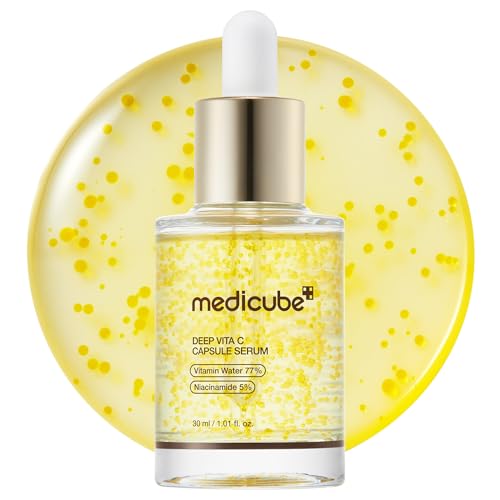
medicube Deep Vitamin C Capsule Serum

iS CLINICAL Pro-Heal Serum Advance+

Peter Thomas Roth Potent-C Power Serum

Caudalie Vinoperfect Brightening Dark Spot Serum

Vitamin C Serum with Stem Cells & Hyaluronic Acid 1 Oz

La Roche-Posay 12% Vitamin C Face Serum

OLEHENRIKSEN Banana Bright 15% Vitamin C Dark Spot Serum
A Deeper Look At The Lineup
Starting a vitamin C routine without committing serious money is exactly where this Good Molecules bottle earns its place. The formula pairs classic ascorbic acid with kojic acid ester and oryzanol, an antioxidant derived from rice bran oil, aiming at brightness and smoother-looking texture in a weightless fluid that disappears under sunscreen.
In a morning rush, that light finish matters: no pilling under SPF, no tacky residue before makeup. Compared with the richer Peter Thomas Roth option later in this list, this one skews minimal, which suits oily and combination skin best.
Useful Touches
- Two forms of vitamin C work alongside oryzanol for a radiant, even-toned look over time.
- The silky, lightweight texture layers cleanly under moisturizer and sunscreen without pilling.
- A full ounce of product means a low-risk way to learn how your skin responds to acids.
Things To Consider
- Brightening results tend to build gradually, so patience is part of the deal.
- Ascorbic acid oxidizes once opened; storing the bottle away from heat and light keeps it fresher longer.
Key Specs
Who It Suits Best
Skincare newcomers and anyone wanting an affordable daily brightening step that plays nicely with other products.
Where A Sibling Pick Shines
For stubborn dark spots rather than general dullness, the Caudalie Vinoperfect serum below is the more targeted choice.
Oxidation is the quiet enemy of every vitamin C serum, and medicube attacks it directly. High-purity vitamin C is sealed inside tiny liposome capsules, a delivery method where active ingredients are wrapped in lipid spheres, that melt on contact with skin. The idea is simple: freshness arrives at application time, not months earlier in the bottle.
Owners commonly describe the texture as a lightweight emulsion dotted with visible capsules that dissolve as you massage. Against the plain liquid of the Good Molecules pick, this feels like a small engineering upgrade aimed at tired, stressed-looking skin.
A Few Highlights
- Capsule encapsulation helps keep vitamin C potent until the moment it touches your face.
- High-purity formulation targets dullness and supports a more energized complexion.
- Even distribution on application means less product waste per use.
Small Caveats
- The massaging step takes slightly longer than a swipe-and-go liquid serum.
- Those preferring fragrance-free minimalist routines may find the sensorial experience richer than expected.
Who Will Love This
Commuters and shift workers whose skin looks fatigued and who want potency preserved by design rather than refrigeration habits.
Swap It Out When
Redness-prone skin usually gets along better with the iS CLINICAL Pro-Heal formula, which is built around soothing antioxidants instead.
Most vitamin C serums chase glow; this one chews gum and calms irritation at the same time. L-ascorbic acid sits at the core, buffered by olive leaf extract, vitamin E, and vitamin A, a combination positioned for skin that flushes easily or reacts badly to stronger actives.
The brand positions it for managing the appearance of rosacea-prone and breakout-prone skin, which tells you the pH and supporting ingredients lean soothing rather than aggressive. In practice, that makes it a professional-clinic staple you can bring home, though the price reflects that pedigree.
Everyday Advantages
- Antioxidant stack of vitamins C, E, and A supports skin while softening visible redness.
- Olive leaf extract adds a calming layer rarely found in mainstream brightening serums.
- Formulated with reactive and rosacea-prone skin in mind, not just tolerant skin.
- Works well as a daytime layer under mineral sunscreen for delicate complexions.
Points To Note
- Sits at the premium end of this lineup, so it is an investment purchase.
- Users sometimes report a distinct botanical scent from the plant extracts.
- Brightening pace may feel slower than higher-percentage pure vitamin C options.
Core Details
Right Fit For
Anyone with sensitive, redness-prone, or post-procedure skin who still wants legitimate vitamin C benefits.
Reach For A Different Pick When
Budget-conscious shoppers after straightforward brightening will find the Good Molecules serum covers the basics at a fraction of the outlay.
Where the iS CLINICAL leans clinical, the Potent-C Power Serum leans indulgent. Peter Thomas Roth built this around a stabilized vitamin C derivative paired with a hydrating base, positioning it as a moisturizing renewal step rather than a stripped-down treatment. The texture lands somewhere between serum and light cream, which dry-skin owners generally appreciate in colder months.
It is also color-safe, a detail that matters if you invest in salon coloring and worry about actives accelerating fade. The trade-off is weight: on very oily skin, some users find it richer than they want under makeup.
A Few Strong Suits
- Moisturizing formula renews skin while delivering vitamin C benefits in one step.
- Color-safe positioning protects dyed hair investments during regular use.
- The cushiony texture doubles down as a hydration layer for mature or dry faces.
Honest Caveats
- Richer consistency can feel heavy on oily or acne-prone skin types.
- Premium pricing puts it above most drugstore alternatives in this roundup.
Made For
People with dry or maturing skin who want their vitamin C step to also feel like a moisture treatment, especially through winter.
Not Your Match When
Oily complexions fighting shine will get better mileage from the La Roche-Posay 12% serum, which layers in salicylic acid for oil control.
Caudalie markets Vinoperfect as a vitamin C alternative, which sounds odd until you meet its star ingredient: viniferine, a compound extracted from grapevine sap that targets pigmentation without the sting of strong acids. The brand cites dermatologist-scored clinical work showing visible dark-spot reduction over the course of a single bottle, including stronger reported improvement on deeper skin tones.
Dark spots from sun exposure, breakouts, pregnancy, and even blue light are all named targets. For anyone whose skin has rejected every ascorbic acid serum they have tried, this is the graceful exit route.
Bright Spots
- Targets dark spots from sun, aging, acne, pregnancy, and blue light exposure.
- Suited to all skin tones and types, including sensitive skin that dislikes acids.
- Clinical scoring points to meaningful spot reduction within one bottle’s use.
- Lightweight French-pharmacy elegance that layers well with any routine.
Worth Bearing In Mind
- It is not literal vitamin C, so purists seeking ascorbic acid should look elsewhere.
- Sunscreen remains essential; no brightening serum outruns daily UV exposure on its own.
Quick Facts
Whose Shelf It Belongs On
Anyone chasing specific dark spots, especially those with sensitive or deeper skin tones, rather than general dullness.
Another Choice May Suit
Shoppers wanting maximum-strength traditional vitamin C will prefer the OLEHENRIKSEN 15% formula closing out this list.
This Ember Cloud bottle reads like a greatest-hits formula: vitamin C for brightness, hyaluronic acid (a humectant that pulls water into the skin) for plumpness, and plant stem cell extracts rounding out the antioxidant story. Nothing here demands skincare fluency, which is precisely its appeal.
The hydration angle separates it from the Good Molecules pick earlier in the list, which runs lighter and more acid-forward. Drier skin that finds pure vitamin C tight or flaky often reports a more comfortable experience with hyaluronic-acid-backed blends like this one.
The Value In It
- Hyaluronic acid keeps the brightening step comfortable for dry or dehydrated skin.
- Antioxidant blend aims at discoloration and dullness in one daily pass.
- A full ounce at an accessible price makes consistent use easy to sustain.
Less Ideal Details
- Multi-ingredient blends make it harder to pinpoint what your skin actually responds to.
- Results skew gradual; this is a maintenance player, not a fast fix.
The Right Fit
Skincare beginners building a first routine who want hydration and brightening bundled into a single forgiving step.
Consider Something Else When
Reactive skin needing documented soothing credentials is better served by the iS CLINICAL Pro-Heal Serum Advance+.
Twelve percent vitamin C is a sweet spot: strong enough to show up in the mirror, mild enough for weekday use. La Roche-Posay builds on that percentage with hyaluronic acid for hydration and salicylic acid, a beta-hydroxy acid that exfoliates inside pores, for oil control. That trio addresses radiance, fine lines, and shine in one bottle, offered in two formula variants to suit different preferences.
For combination skin juggling an oily T-zone and dull cheeks, few options here cover as many bases. Sensitive skin may want to introduce it every other day at first.
What Pays Off
- 12% vitamin C concentration balances visible brightening against everyday tolerance.
- Salicylic acid refines the look of pores and helps manage midday oil.
- Hyaluronic acid offsets potential dryness from the exfoliating component.
- Backed by a dermatologist-trusted pharmacy brand with decades of sensitive-skin research.
Factors To Consider
- The exfoliating element can tingle on compromised skin barriers; ease in slowly.
- Two variants exist, so double-check which formula version your cart holds.
At A Glance
Built With In Mind
Combination and oily skin types wanting one serum that brightens, smooths, and de-shines simultaneously.
Look Elsewhere When
Very dry or mature skin craving a richer, more pampering texture will prefer the Peter Thomas Roth Potent-C Power Serum.
Fifteen percent is about as high as vitamin C concentrations go in consumer serums, and Ole Henriksen commits fully. The Banana Bright line borrows its name from banana powder, the makeup artist trick for neutralizing discoloration, and applies the same color-correction logic topically. The result is a serum with a devoted following among people fighting persistent dark spots and uneven tone.
Against the gentler Caudalie viniferine approach, this is the heavy-artillery option: faster potential payoff, higher odds of adjustment period. Available sizes include a compact 15 ml unboxed format handy for travel trials.
Real Benefits
- 15% vitamin C delivers maximum-strength brightening for stubborn pigmentation.
- Targets dark spots specifically rather than offering vague overall glow claims.
- Long-standing fan favorite status means abundant user feedback to learn from.
- Smaller unboxed size offers a lower-commitment trial format.
Details To Watch
- High concentrations can cause flushing or tingling on sensitive skin during early weeks.
- Vitamin C degrades with air exposure; cap it tightly and store it cool and dark.
- The signature scent will not suit everyone.
Feature Snapshot
Who Should Grab It
Experienced serum users with resilient skin who want the strongest conventional vitamin C dose for entrenched dark spots.
Where Another Pick Suits Better
Sensitive or rosacea-prone skin should steer toward the iS CLINICAL Pro-Heal Serum Advance+ instead of this high-octane formula.
What Matters Most Before Choosing
Match The Formula To Your Skin’s Temperament
Pure L-ascorbic acid delivers the strongest evidence for brightening but irritates reactive skin fastest. Derivatives, encapsulated formats, and alternatives like viniferine trade some punch for comfort. Know which side of that line your face lives on before adding anything to cart.
Percentage Is Not Everything
A 15% serum used twice a week beats a 10% one abandoned after three uses. Stability, packaging, and how the active is delivered matter as much as the number on the label. Consistency over months is where visible change actually comes from.
Pair It With Sunscreen, Always
Every brightening ingredient works against a clock that UV resets daily. Skipping SPF quietly undoes weeks of serum progress, particularly for dark spots caused by sun exposure in the first place.
Think About Layering And Texture
Oily skin favors watery fluids; dry skin rewards serum-hybrid textures with humectants. Choose a finish that fits the rest of your routine so the step survives real mornings, not ideal ones.
Key Considerations Across These Picks
Traps First Timers Fall Into
The most common mistake is stacking a new vitamin C serum alongside retinoids and strong exfoliants on day one, then blaming the serum when skin rebels. Introduce one active at a time, patch test behind the jaw, and give any formula a full eight to twelve weeks before judging it. Also resist buying the strongest percentage purely because bigger numbers feel decisive.
What Separates Premium From Basic
Higher-priced formulas typically spend more on stabilization technology, encapsulation, and supporting antioxidants that keep the active effective in the bottle. That engineering shows up as less oxidation, fewer wasted applications, and better tolerance. Paying up makes sense for sensitive or problem-focused skin; for general maintenance, a well-made budget serum does the job.
Frequently Asked Questions
Can I use a vitamin C serum every day?
Most people tolerate once-daily morning use well once skin adjusts. Start every other day for the first two weeks with stronger percentages.
Should vitamin C go on before or after moisturizer?
Apply it to clean, dry skin before heavier creams so it reaches the surface directly. Seal with moisturizer afterward.
How long until I see results?
General glow often appears within four to six weeks. Dark spots typically need eight to twelve weeks of consistent use.
Does vitamin C serum expire quickly?
Pure ascorbic acid oxidizes within roughly three months of opening. Darkened color signals reduced potency, so buy sizes you can finish.
Can I mix vitamin C with other actives?
Yes, but stagger strong exfoliants and retinoids to different times of day. Salicylic acid pairings, like the La Roche-Posay formula, are already balanced by the manufacturer.
Bottom Line
Eight serums, eight different jobs. Start with the Good Molecules if you are new, let the Caudalie handle specific dark spots gently, and save the OLEHENRIKSEN 15% for resilient skin that wants maximum strength. Whatever you choose, commit to daily sunscreen and give the bottle a fair twelve weeks; that pairing does more for your skin than any single ingredient swap ever will.
