

Dull, uneven skin is one of those problems that creeps up slowly, then suddenly shows up in every photo. A good vitamin C serum sits at the center of fixing that, but the shelf options range from gentle brighteners to high-percentage formulas that can sting sensitive faces. This roundup sorts eight of them by who they actually suit.
The Lineup, Simplified
The Lineup, Simplified
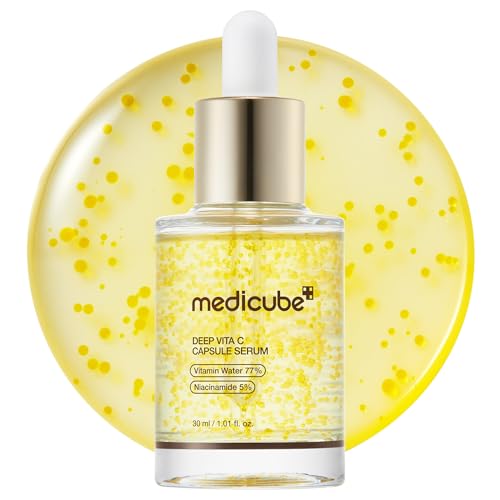
medicube Deep Vitamin C Capsule Serum 1.01 fl.oz

Peter Thomas Roth Potent-C Power Serum

Caudalie Vinoperfect Brightening Dark Spot Serum

Ember Cloud Vitamin C Serum with Stem Cells & Hyaluronic Acid 1 Oz

La Roche-Posay 12% Vitamin C Face Serum

OLEHENRIKSEN Banana Bright 15% Vitamin C Dark Spot Serum 1.0 oz
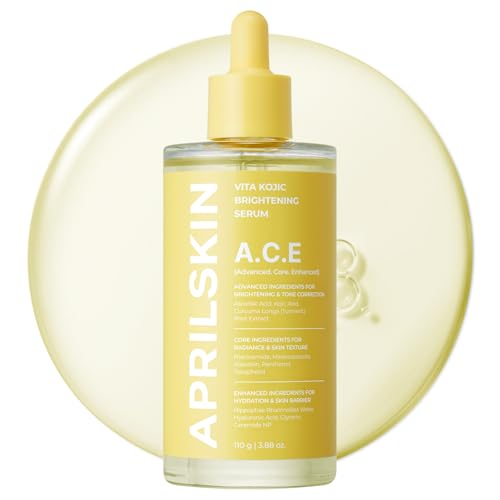
APRILSKIN A.C.E Vita Kojic Serum

Ossjds 20% Vitamin C Serum for Face 1.7 fl oz
The Strengths Of Each Pick
Vitamin C degrades fast once exposed to air, and that’s where this medicube serum earns its keep. The formula suspends concentrated vitamin C inside melt-in capsules built on liposome technology, a delivery method that keeps the active sealed until it touches your skin.
In a morning rush, you’d press a few drops in, feel the capsules dissolve on contact, and move on. The 1.01 fl.oz bottle suits someone chasing back that flat, tired look after a stretch of poor sleep or heavy screen days.
Advantages To Know
- Liposome capsules shield the vitamin C from oxidation, so potency holds longer than open-bottle formulas
- High-purity concentration targets dullness without needing a separate booster step
- The melt-on-contact texture spreads evenly, which means fewer streaky patches on cheeks
- A compact 1.01 fl.oz size travels well in a toiletry kit
Things To Consider
- The small bottle runs out quickly with twice-daily use, so frequent users may restock often
- Owners commonly report shaking gently before use keeps the capsule suspension distributing evenly
At A Glance
Who It Suits Best
Anyone whose complexion reads tired and uneven by midweek and wants a focused, freshness-first treatment rather than a multi-tasking hydrator.
Consider Something Else When
Shoppers wanting a bigger bottle for daily full-face application will find more value in the Ossjds 20% Vitamin C Serum’s generous 1.7 fl.oz format.
Where the medicube leans on encapsulation, Peter Thomas Roth takes a hydration-forward route. The Potent-C Power Serum pairs its vitamin C core with moisturizing and renewing properties, and it’s color safe, which matters if you color-treat your hair and worry about actives interfering.
This is the kind of serum that fits a bathroom shelf already stocked with other premium steps. Dry-skinned users in cold climates tend to appreciate a vitamin C product that doesn’t leave skin feeling tight afterward, and the moisturizing angle here addresses exactly that complaint.
Where It Excels
- Moisturizing character makes it comfortable through dry winter months
- Renewing action supports smoother-looking texture over continued use
- Color-safe formulation removes one common worry for salon-treated hair
Worth Noting
- As a prestige-tier item, it costs more per ounce than the value options later in this list
Made For
People with dry or maturing skin who want their brightening step to double as a comfort layer under moisturizer.
Look Elsewhere When
Oily or breakout-prone skin types usually get better oil control from the La Roche-Posay 12% serum with its salicylic acid component.
Not every brightening serum needs straight vitamin C. The Caudalie Vinoperfect positions itself as an alternative approach, aimed squarely at dark spots left by sun exposure, breakouts, pregnancy, aging, and even blue light from screens. It’s marketed as sun-safe and suitable across all skin tones and types, including sensitive ones.
That last part is the real hook. Reactive skin often flares at traditional high-strength vitamin C, and this gives those users a gentler lane. Clinical scoring cited by the brand points to visible spot reduction within one bottle’s worth of use, though individual results obviously vary with consistency and sun habits.
What Works In Its Favor
- Targets multiple discoloration triggers, from post-acne marks to melasma-style pigmentation
- Formulated to tolerate sensitive skin that pure vitamin C sometimes irritates
- Works across all skin tones, including deeper tones where spots can be stubborn
- Blue-light coverage fits desk-bound routines
- Brand-cited clinical scoring backs the spot-fading claim
Trade Offs
- It isn’t a classic vitamin C serum, so shoppers seeking that specific antioxidant profile should look elsewhere
- Spot-focused results depend heavily on diligent sunscreen use alongside it
- Prestige pricing puts it above the budget entries here
Right Fit For
Anyone dealing with stubborn discoloration whose skin reacts poorly to conventional high-strength vitamin C.
Skip It When
You want a general antioxidant glow serum for overall tone rather than targeted spot work; the OLEHENRIKSEN Banana Bright handles broad radiance better.
Building a routine gets expensive fast, which is why the Ember Cloud earns its slot. It combines vitamin C with hyaluronic acid, a humectant that pulls water into the skin, plus antioxidant support aimed at dullness and uneven tone. One bottle covers both brightening and hydration in a single step.
The honest read is that this is a starter serum, not a specialist one. Someone assembling their first real skincare shelf gets a sensible entry point here without committing prestige money.
Practical Advantages
- Hyaluronic acid pairing keeps skin comfortable instead of stripped
- Antioxidant blend addresses discoloration and dullness together
- One-ounce size lasts a reasonable stretch at standard dosing
Points To Note
- Fewer published specifics than bigger brands, so ingredient percentages aren’t disclosed
- Store it away from direct sunlight, since open vitamin C formulas commonly lose strength near windows
Best Suited To
Skincare beginners who want one affordable bottle doing two jobs while they learn what their skin responds to.
A Better Fit Elsewhere
Experienced users chasing documented concentrations will prefer the La Roche-Posay 12% serum’s clearly stated percentage.
Most serums in this list pick one job. The La Roche-Posay does three: a stated 12% vitamin C concentration for brightness, hyaluronic acid for hydration, and salicylic acid, a beta-hydroxy acid that exfoliates inside pores, for oil control. That combination reads like it was designed for combination and oily skin specifically.
Compared with the Ember Cloud’s undisclosed numbers, having a clear 12% figure changes how you plan usage around other actives. Two formula versions exist, giving some flexibility depending on how much exfoliation your skin tolerates.
Noteworthy Benefits
- Documented 12% vitamin C level takes the guesswork out of strength
- Salicylic acid helps refine the look of pores and manage shine through the day
- Hyaluronic acid offsets the dryness exfoliating acids can cause
- Two available formulas let you match tolerance level
Small Caveats
- The exfoliating component can over-dry already-dehydrated skin, so start every other day
- Layering it with strong retinoids in one evening is a combination many dermatologists advise spacing out
Quick Facts
Whose Shelf It Belongs On
People with oily, combination, or enlarged-pore concerns who want one serum covering brightening, hydration, and light exfoliation.
Reach For A Different Pick When
Dry, sensitive skin types are generally better served by the Caudalie Vinoperfect’s gentler, non-acid approach.
The Banana Bright line built its following on one promise: an immediate lit-from-within look that also fades spots over time. At a 15% vitamin C strength, this serum sits between the La Roche-Posay’s 12% and the stronger budget option coming next, aiming at dark spots while doubling as a morning glow step.
It comes in two sizes, 30ml and an unboxed 15ml, which is handy for travel or for trying the formula before committing to the full bottle. Makeup wearers often layer it under foundation without pilling, based on widely shared owner feedback.
Points In Its Favor
- 15% concentration delivers serious brightening power for established routines
- Two size options lower the entry barrier for first-time tries
- Instant glow effect works well under makeup on busy mornings
Potential Drawbacks
- At higher strengths, patch-testing on the jaw first is a habit worth keeping
Key Specs
Who Will Love This
Morning-routine people who want a serum that looks good instantly and works on spots gradually, especially makeup wearers.
Another Choice May Suit
Shoppers prioritizing maximum concentration per dollar will lean toward the Ossjds 20% serum instead.
Korean beauty fans will recognize APRILSKIN’s playbook: pair two proven brighteners and make them absorb fast. Here that means vitamin C alongside kojic acid, a compound derived from fermentation that’s long used in Asia for fading uneven tone. The brand markets absorption in roughly three seconds, which translates to no sticky wait before sunscreen goes on.
Against the heavier textures of some Western serums, this one disappears quickly, making it an easy fit under makeup or a rushed commute routine.
Useful Strengths
- Kojic acid plus vitamin C attacks dullness from two angles
- Quick-absorbing texture layers cleanly under SPF and makeup
- Lightweight feel suits humid climates and oily skin types
- Simple two-active design keeps routines uncomplicated
Room For Improvement
- Kojic acid can sensitize some users to sun, so consistent SPF becomes non-negotiable
- Concentration figures for either active aren’t publicly detailed
- Those wanting deep hydration may find it too lightweight alone
Core Details
The Right Fit
Newcomers to K-beauty and anyone with oily skin wanting a weightless brightening step that vanishes into the skin.
Where A Sibling Pick Shines
Drier skin types get more comfort from the Peter Thomas Roth Potent-C’s moisturizing profile.
Twenty percent is about as strong as vitamin C gets in consumer formulas, and this Ossjds bottle delivers it stabilized, backed by hyaluronic acid, vitamin B5, peptides, and plant extracts. Peptides are short amino acid chains that support firmer-looking skin, and B5 soothes, so the supporting cast softens what a 20% dose might otherwise feel like.
The 1.7 fl.oz volume dwarfs most rivals here, including the medicube’s 1.01 fl.oz. For daily users applying generously to face and neck, that difference adds up over a year.
A Strong Showing
- Stabilized 20% vitamin C sits at the top of the typical strength range
- Peptide and B5 additions address firmness and comfort alongside brightness
- Large 1.7 fl.oz bottle suits neck-and-face application without rationing drops
- Hyaluronic acid keeps the high strength workable for regular use
- Plant extracts round out the antioxidant profile
What To Weigh
- First-time users may find 20% too aggressive to start with; build tolerance gradually
- Stabilized formulas still degrade once opened, so finishing within a few months preserves results
Feature Snapshot
Built With In Mind
Experienced serum users targeting fine lines, dullness, and firmness loss who want high strength in a big, economical bottle.
Swap It Out When
Sensitive or reactive skin should start milder, with the APRILSKIN A.C.E Vita Kojic Serum being the easier on-ramp.
Choosing Between These Serums Without Guesswork
Match The Strength To Your Skin
Percentage tells you a lot. Sensitive or first-time skin does well at 12% or below, like the La Roche-Posay, while seasoned users chasing visible change can handle 15% or 20%. Jumping straight to the strongest option is the fastest route to redness and abandoned bottles.
Look Past The Hero Ingredient
Supporting actives decide whether a serum feels good daily. Hyaluronic acid offsets dryness, salicylic acid serves oily skin, and kojic acid widens the brightening toolkit. Read the supporting cast as carefully as the headline number.
Think About Bottle Economics
A 1.01 fl.oz bottle finished in six weeks costs more annually than a 1.7 fl.oz one used at the same rate. Frequent full-face and neck application rewards larger volumes, whereas cautious users waste less with smaller formats.
Factor In Your Climate And Routine
Humid climates favor fast-absorbing, lightweight textures like the APRILSKIN. Cold, dry winters reward hydrating formulas such as the Peter Thomas Roth. Your existing routine matters too: strong exfoliants elsewhere in the regimen call for a gentler serum partner.
Key Considerations Across These Picks
Wrong Turns To Avoid
The biggest mistake is buying on hype instead of skin type. An oily-skinned shopper grabbing a rich hydrating serum ends up shiny by noon, while a dry-skinned user with a salicylic acid formula flakes within a week. Patch-test new actives on the jawline for several days, and introduce one product at a time so reactions have a clear culprit.
When Paying More Pays Off
Prestige pricing buys documented concentrations, refined textures, and brand-run clinical backing, as with Caudalie and Peter Thomas Roth. That matters when you want predictable, studied results on specific concerns. For general maintenance and glow, well-built budget options deliver most of the everyday benefit at a fraction of the spend.
Frequently Asked Questions
How long before a vitamin C serum shows results?
Most people notice brighter tone within four to eight weeks of consistent morning use. Spot fading typically takes longer, often a full bottle or more.
Can vitamin C serum be used every day?
Yes, once your skin has adjusted to the concentration. Starting every other day for the first two weeks minimizes irritation risk.
Should vitamin C go on before or after moisturizer?
Serums always come first on clean, dry skin, then moisturizer seals them in. Sunscreen follows as the final morning step.
Does vitamin C serum expire quickly?
It oxidizes over time, shifting darker in color as it loses potency. Most opened bottles stay effective for roughly three months when stored away from heat and light.
Can vitamin C be combined with retinol?
They can coexist in one routine but work best at different times, vitamin C in the morning and retinol at night. Using both simultaneously increases irritation for many skin types.
Closing Thoughts
There’s no single right answer here, only the right match for your skin type, budget, and patience level. Start with the lowest strength your goals allow, give any pick a solid two months, and let your mirror do the judging. Consistency beats concentration almost every time.
