

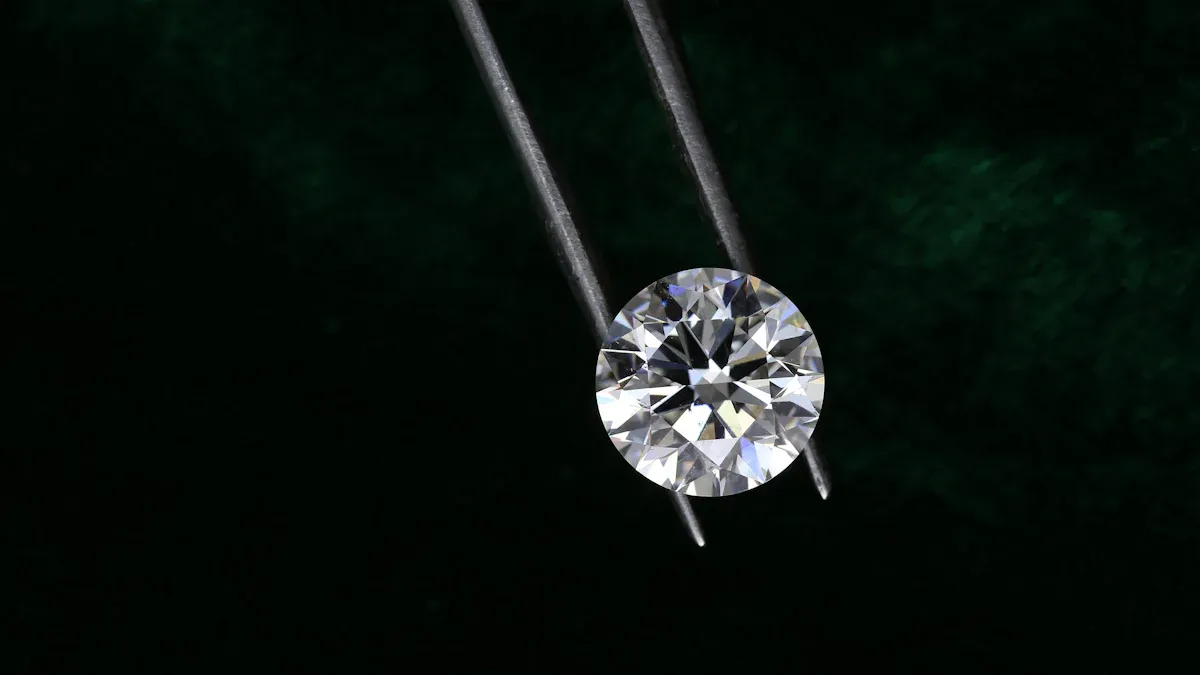
When you consider diamond selection, understanding the Diamond Basics, particularly the 4Cs of diamonds—cut, clarity, color, and carat—is essential. These characteristics significantly influence the quality and value of a diamond. Each buyer has unique tastes, which can affect their choices. For example, some may prioritize size over clarity, while others focus on color and clarity. This variation highlights the importance of knowing the Diamond Basics to make informed purchase decisions. By grasping these basics, you can confidently navigate the world of gem-quality diamonds and find the perfect piece for your needs.
Key Takeaways
Understand the 4Cs: cut, clarity, color, and carat. Each factor influences a diamond’s quality and value.
Prioritize cut quality when selecting a diamond. A well-cut diamond sparkles more, enhancing its visual appeal.
Consider clarity grades carefully. Fewer inclusions lead to higher beauty and value, making clarity an important factor.
Know the color grading scale. Colorless diamonds are more desirable, but personal preference can guide your choice.
Recognize that carat weight affects price significantly. Larger diamonds are rarer and more expensive, especially at key weight thresholds.
Diamond Cut
What is Cut?
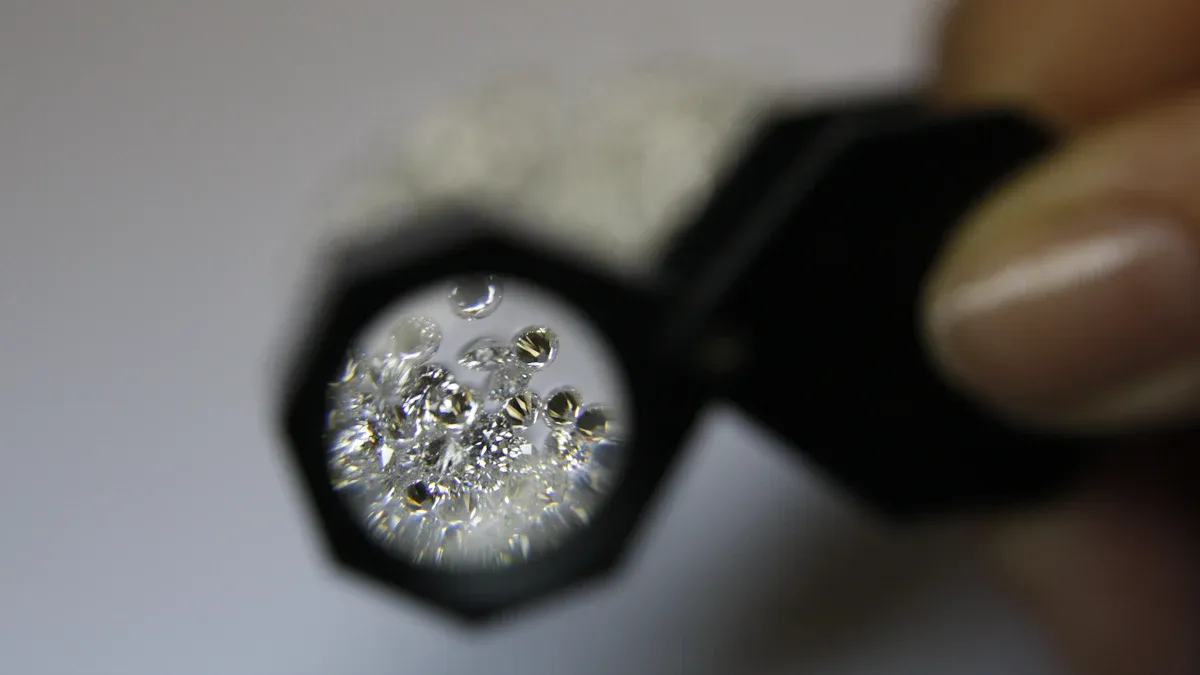
The term “diamond cut” refers to the style and design used when shaping a diamond for polishing. This includes various shapes like round, princess, and oval. The cut encompasses the diamond’s symmetry, proportions, and polish. These factors significantly affect the diamond’s brilliance, which is the amount of light that reflects from the diamond. A well-executed diamond cut allows light to enter and exit the stone effectively, creating a stunning visual effect.
Cut Grading Scale
The cut grading scale evaluates how closely a diamond’s proportions and symmetry align with established ideals. Trained graders assess these qualities based on specific criteria. The most common grading scales include the American Standard and the Scandinavian Standard.
A diamond’s cut grade can range from Excellent to Poor. Here’s a brief overview of what each grade means:
Excellent: Exceptional brilliance and fire; ideal proportions.
Very Good: High quality; minor deviations from ideal proportions.
Good: Acceptable quality; noticeable differences in light performance.
Fair: Below average; significant issues with light return.
Poor: Poorly cut; lacks brilliance and sparkle.
The quality of a diamond’s cut directly impacts its visual appeal. A finely cut diamond not only appears larger but also exhibits captivating sparkle, enhancing its overall brilliance. In contrast, two diamonds with the same carat weight and clarity can look vastly different due to the precision of their cuts.
Tip: Always prioritize cut quality when selecting a diamond. A superior cut can make even a smaller diamond appear more brilliant and valuable.
The cut of a diamond determines how it performs in light. Well-cut diamonds appear brighter and more lively. Even flawless diamonds can look dull if not cut precisely. For instance, the table below illustrates how different cut styles manipulate light:
Diamond Cut | Weighted Light Return (WLR) | Table (%) | Crown Angle (°) | Pavilion Angle (°) |
|---|---|---|---|---|
Parker Cut (1951) | 0.297 | 55.9 | 25.5 | N/A |
Tolkowsky Cut (1919) | 0.281 | 53 | 34.5 | 40.75 |
Diamond Clarity
What is Clarity?
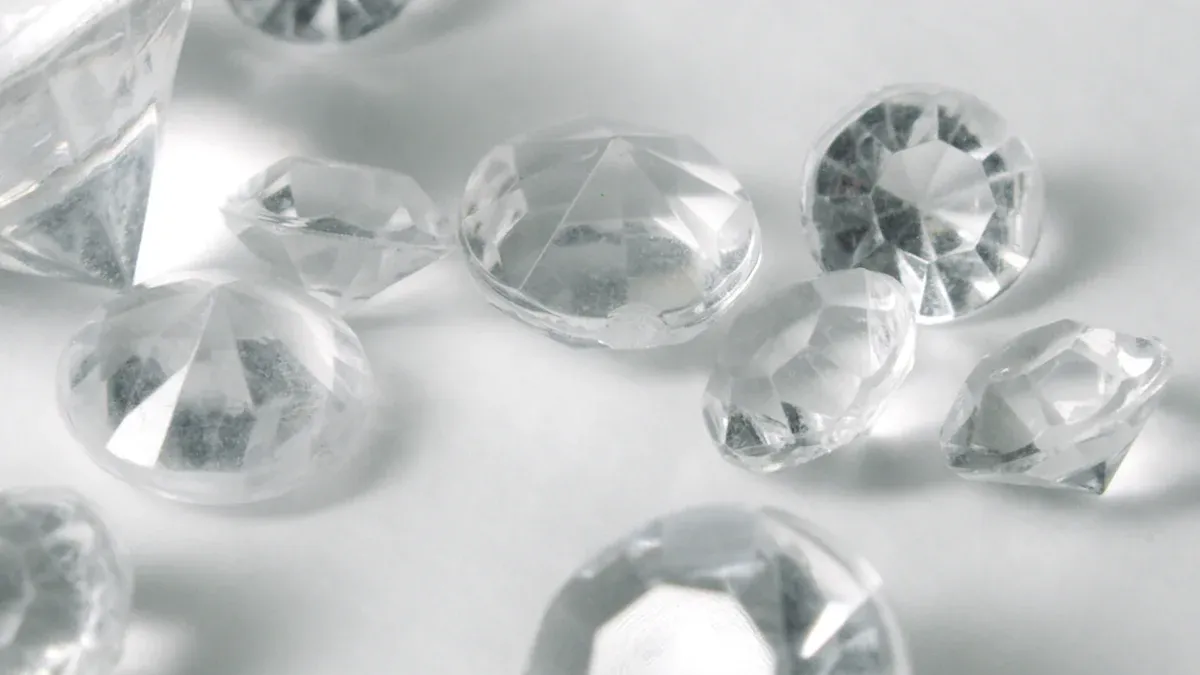
Diamond clarity refers to the presence of natural characteristics that form during a diamond’s creation. These characteristics include internal inclusions and surface blemishes. Inclusions are tiny imperfections inside the diamond, while blemishes are flaws on the surface. The visibility of these features can vary, affecting the overall appearance and value of the diamond.
To assess clarity, gemologists evaluate five key aspects: size, number, position, nature, and relief of inclusions and blemishes. The GIA diamond clarity chart ranks diamonds based on how visible these inclusions are under 10x magnification. This ranking helps you understand how clarity impacts a diamond’s beauty and worth.
Clarity Grading Scale
The clarity grading scale ranges from Flawless (FL) to Included (I3). Each grade reflects how visible inclusions and blemishes are. Here’s a breakdown of the clarity grades:
Grade | Description |
|---|---|
I1, I2, I3 | Included Diamonds: Obvious inclusions visible, impacting beauty. |
SI1, SI2 | Slightly Included: Inclusions noticeable at 10x magnification; often good value. |
VS1, VS2 | Very Slightly Included: Minor inclusions, difficult to see at 10x magnification. |
VVS1, VVS2 | Very, Very Slightly Included: Minuscule inclusions, hard to see even for trained eyes. |
IF | Internally Flawless: No inclusions, only small surface blemishes. |
FL | Flawless: No internal or external characteristics; extremely rare. |
Inclusions and blemishes can impact a diamond’s value in several ways:
Beauty: Inclusions can disrupt light flow, reducing sparkle or creating shadows. Some inclusions are too small to affect aesthetics, while larger ones can significantly impact beauty.
Value: Diamonds with fewer inclusions are rarer and thus more expensive. The VS (very slightly included) range is often recommended for those balancing beauty and budget.
Structural Integrity: Most inclusions do not affect durability, but larger flaws like feathers or cracks can weaken the diamond.
Understanding these clarity grades helps you make informed decisions when selecting a diamond. Remember, diamonds become increasingly rare as clarity increases. Only about 20% of all mined diamonds have a clarity rating suitable for gemstones. The most expensive diamonds typically fall within the VS and SI grades, while FL and IF stones are considered rare and highly valuable.
Tip: When choosing a diamond, consider how clarity affects both beauty and value. A diamond with a higher clarity grade may be a better investment.
Diamond Color
What is Color?
Diamond color refers to the hue or tint that a diamond exhibits. While many people think of diamonds as colorless, they can actually display a range of colors. The presence of trace elements during formation influences these colors. For example, nitrogen atoms in type I diamonds absorb blue light, resulting in yellow, orange, or brown hues. In contrast, boron can create blue shades. Other colors, like pink or red, arise from structural distortions in the diamond’s carbon lattice.
Color Grading Scale
The diamond color grading scale helps you understand the range of colors in diamonds. This scale typically runs from D (colorless) to Z (light yellow or brown). Here’s a breakdown of the grading scale:
Grade | Description |
|---|---|
D | Completely colorless and the most valuable. |
E | Nearly colorless, with only microscopic traces of color detectable by experts. |
F | Also nearly colorless, with a barely perceptible difference from E. |
G | A slight hint of color, nearly indistinguishable to the naked eye. |
H | Slight warmth but still appears white in most lighting. |
I | Some noticeable tint in larger diamonds. |
J | Slightly more visible color, especially in larger stones. |
K-M | Noticeable warm tint, often light yellow or brown hue. |
N-R | More obvious yellow or brown tones, less desirable for traditional engagement rings. |
S-Z | Noticeable yellow or brown tones visible to the naked eye, less commonly used in fine jewelry. |
Understanding this scale is crucial because it directly affects a diamond’s value. Color grades D-F are highly valued for their brilliance. As the color grade shifts from G to J, diamonds begin to show slight warmth, which can influence their appeal and price. Grades K-Z display noticeable colors, which can significantly lower the market value compared to higher grades.
Tip: Some buyers prefer the icy brilliance of D-grade diamonds, while others may favor the warmth of champagne hues. Your personal preference plays a significant role in your choice.
Diamond Carat
What is Carat?
A carat is a unit of weight specifically for diamonds and other gemstones. One carat equals 0.2 grams. To ensure precise measurements, carats are subdivided into 100 points. For example, a diamond weighing 50 points is half a carat. The weight of a carat is calculated to the hundredth decimal place, which significantly affects pricing.
Carat Weight and Value
Carat weight measures the weight of a diamond, not its size. Two diamonds with the same carat weight can appear different in size due to their cut and proportions. Here are some key points to consider:
One carat is roughly the weight of a grain of rice.
A diamond carat chart shows approximate diameters for various carat weights. For instance, a 1.00 carat diamond has an approximate diameter of 6.5 mm.
Different cuts can affect how large a diamond appears, even if the carat weight is the same.
In the diamond market, pricing correlates directly with carat weight. Larger diamonds are rarer, leading to higher prices. For example, a 1 carat D color IF clarity diamond can cost over $20,000, while a 1 carat K color SI2 clarity diamond costs around $2,500.
Price increases occur at certain carat weight thresholds. Here’s a quick overview of how prices jump:
Carat Weight Range | Price Increase (%) |
|---|---|
0.90 – 0.99 | Significant jump |
1.00 – 1.49 | 29% more expensive |
1.50 – 1.99 | 65% more expensive |
These ‘magic numbers’ like 1.0 and 1.5 carats are associated with higher consumer demand. Even when the visual difference in size is minimal, the price can increase significantly.
Understanding diamond carat weight helps you make informed decisions. Whether you seek a stunning engagement ring or a unique piece of jewelry, knowing how carat affects value is essential.
Understanding the 4Cs—cut, clarity, color, and carat—helps you make informed decisions when purchasing a diamond. Each factor plays a vital role in determining a diamond’s overall quality and value.
Cut is crucial for brilliance and sparkle.
Color affects desirability, with colorless diamonds being more sought after.
Clarity impacts beauty and price, as fewer imperfections lead to higher value.
Carat measures weight, influencing cost significantly.
When selecting a diamond, balance these factors based on your preferences and budget. Remember, a well-cut diamond can appear more vibrant, even if it has a lower carat weight.
Tip: Always trust certified diamonds to ensure quality and value.
FAQ
What is the best diamond cut for brilliance?
The best diamond cut for brilliance is the round cut. Its symmetrical shape allows light to reflect optimally, creating maximum sparkle. Other popular cuts, like princess and oval, also offer great brilliance but may vary in appearance.
How does diamond clarity affect its value?
Diamond clarity significantly impacts its value. Diamonds with fewer inclusions and blemishes are rarer and more desirable. Higher clarity grades often lead to higher prices, making clarity an essential factor in your purchasing decision.
Can I choose a diamond with a lower color grade?
Yes, you can choose a diamond with a lower color grade. Many buyers prefer diamonds with slight warmth, which can be more affordable. Just ensure the color aligns with your personal taste and the overall design of the jewelry.
What is the ideal carat weight for an engagement ring?
The ideal carat weight for an engagement ring varies based on personal preference and budget. Many couples opt for a diamond between 1.0 and 1.5 carats, balancing size and cost. Consider your partner’s style when making your choice.
How do I know if a diamond is certified?
You can verify if a diamond is certified by checking for a grading report from a reputable gemological laboratory, such as GIA or AGS. This report provides detailed information about the diamond’s quality, including its 4Cs.

