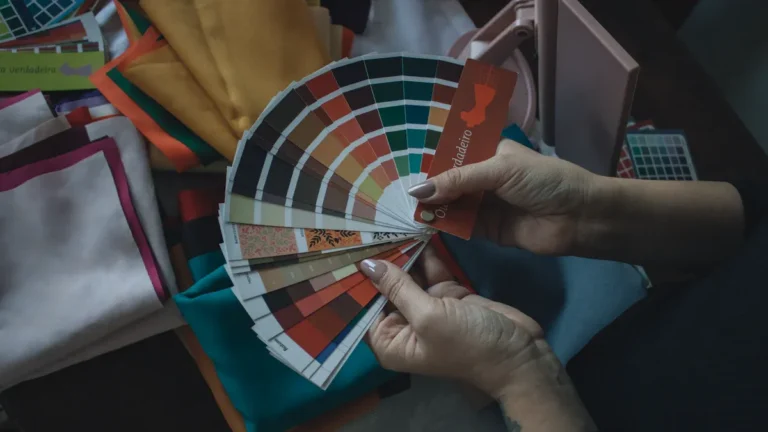
Understanding different fabric types is crucial for making informed clothing choices. Each fabric type offers unique properties that affect comfort, durability, and style. For instance, did you know that synthetic fibers account for 64% of global textile production? In contrast, cotton makes up 22%, while wool represents just 1%. By recognizing the advantages and disadvantages of each fabric type, you can select the best materials for your needs.
Fiber Type | Percentage of Global Textile Production |
|---|---|
Synthetic fibers | 64% |
Cotton | 22% |
Wool | 1% |
Linen (Flax) | N/A (specific percentage not provided) |
Silk | N/A (specific percentage not provided) |
Embracing this knowledge empowers you to choose wisely among the various natural and synthetic fabric types available.
Key Takeaways
Understanding fabric types helps you make informed clothing choices. Each fabric has unique properties that affect comfort and style.
Cotton is breathable and comfortable, making it ideal for everyday wear. It absorbs moisture and is hypoallergenic, but it can wrinkle and shrink.
Silk offers luxury and elegance. It is breathable and hypoallergenic, but requires careful handling to avoid damage.
Wool provides excellent insulation and moisture-wicking properties, making it perfect for cold weather. However, it may irritate sensitive skin.
Synthetic blends combine the best qualities of different fibers, enhancing durability and wrinkle resistance. They are versatile for various applications.
Cotton Fabric
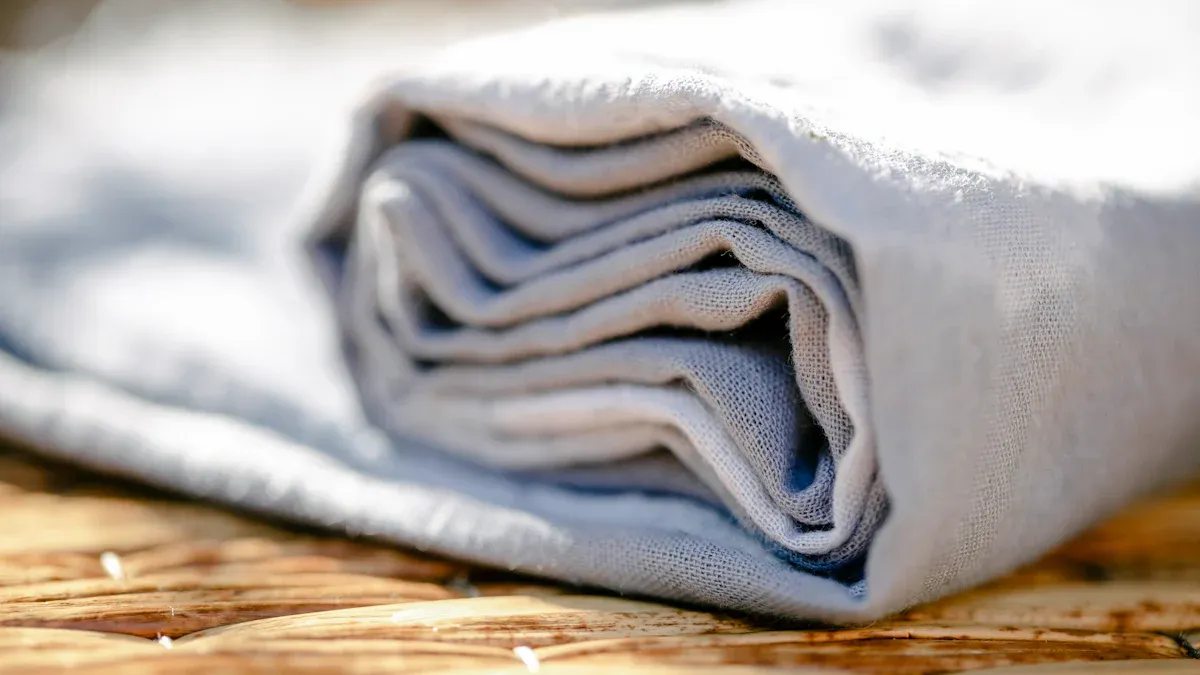
Cotton Properties
Cotton is one of the most popular natural fabrics used today. It has several unique properties that make it suitable for various applications. Here are some key characteristics of cotton:
Property | Description |
|---|---|
Length | Cotton fibers range from ½ inch to 2 inches, with longer fibers indicating higher quality. |
Fineness | The diameter of the fiber ranges between 3 to 6 micrograms per inch. |
Strength | Cotton has moderate strength of 26-44 cN/tex, with increased strength in wet conditions. |
Elongation | Elongation at break is between 5-10%. |
Hydrophilicity | Cotton absorbs moisture with a regain of 8.5% under standard conditions. |
Heat conductivity | High heat conductivity provides a cool feeling in summer. |
Chemical resistance | Cotton resists many chemicals due to its high cellulose content but is destroyed by concentrated acids. |
Cotton is widely used in retail apparel and home furnishings, with its market share in these areas exceeding 60%. You can find cotton in products like bedspreads, window shades, towels, and washcloths. Additionally, cotton plays a role in industrial applications, including wall coverings, bookbindings, and medical supplies.
Cotton Advantages
Cotton offers numerous advantages that make it a preferred choice for everyday clothing:
Comfort: Cotton can absorb up to 27% of its weight in water before feeling damp. This property helps keep your skin dry and prevents discomfort from perspiration.
Breathability: Cotton allows air to circulate through its fibers, enhancing comfort in warm weather. This makes it ideal for summer garments and underwear.
Durability: Quality cotton garments can last for years, maintaining their appearance and feel even after frequent washing. Unlike synthetic fabrics, cotton does not pill or lose shape easily.
Hypoallergenic: Cotton is generally hypoallergenic, making it suitable for individuals with sensitive skin or allergies. It is less likely to cause skin irritations compared to synthetic alternatives.
Easy Care: Cotton fabric is relatively easy to care for. You can machine wash and dry it without special requirements, making it a convenient choice for everyday use.
Cotton Disadvantages
Despite its many benefits, cotton does have some disadvantages:
Disadvantage | Description |
|---|---|
Wrinkles | Cotton fabric tends to wrinkle easily after wear. |
Shrinkage | It can shrink during washing, losing up to 5% of its size. |
Pilling | Pilling can develop in frequently worn areas. |
Color Fading | Bright colors may fade after repeated washing. |
Durability | Regular cotton fibers wear faster than synthetic alternatives like polyester. |
Cotton’s hydrophilicity can also be a disadvantage. While it absorbs moisture effectively, this can lead to longer drying times and reduced insulation when wet. Additionally, repeated washing can weaken the fabric and fade its colors, lowering its ultraviolet protection factor (UPF).
Silk Fabric
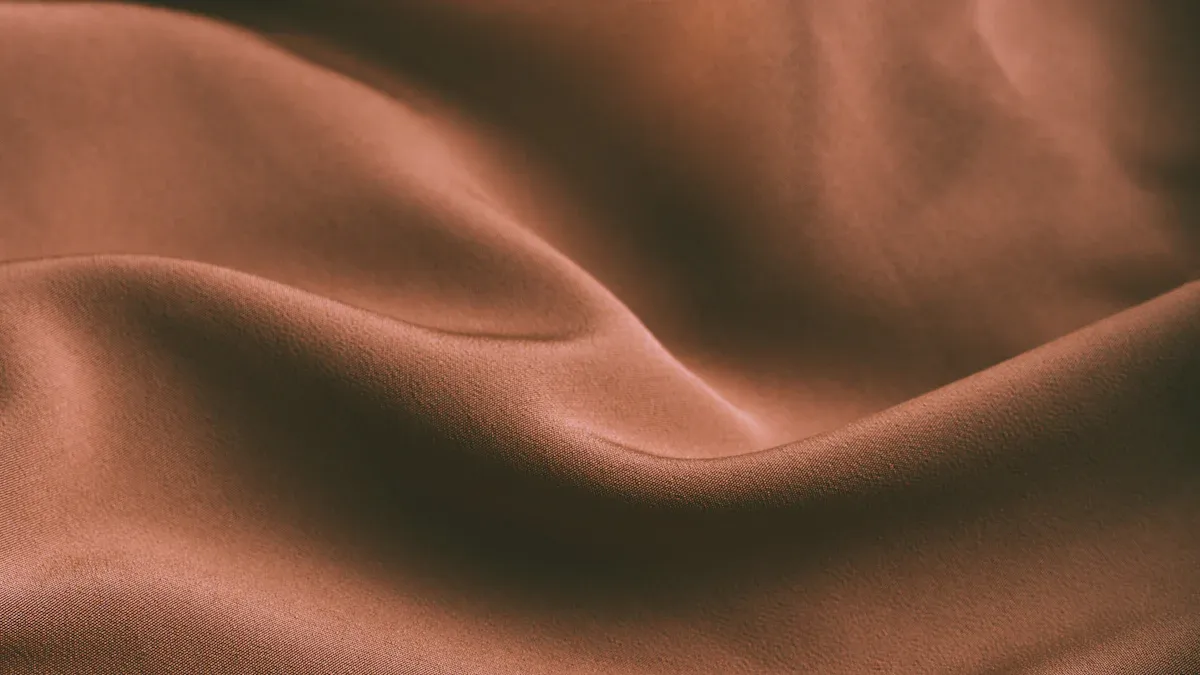
Silk is often regarded as one of the most luxurious fabrics available. Its smooth texture and elegant appearance make it a popular choice in both fashion and home textiles. You can find silk in various applications, including:
Fashion and Apparel: Silk is commonly used for dresses, blouses, ties, scarves, delicate lingerie, and high-end suits due to its fluid drape and soft touch.
Home Décor and Bedding: Silk adds sophistication through pillowcases, sheets, drapes, upholstery, and decorative cushions. It is favored for its allergen resistance.
Silk Properties
Silk possesses unique physical properties that contribute to its appeal. Here are some key characteristics of silk fibers:
Smooth Texture: Silk fibers have a smooth texture due to their protein composition.
Triangular Cross-Section: The triangular cross-section with rounded corners contributes to the soft and slippery surface of silk.
Natural Luster: Silk’s ability to reflect light at various angles gives it a natural shine.
In terms of strength, silk is impressive. The maximum tensile stress of Bombyx mori silk reaches approximately 5000.85 MPa, making it stronger than many other natural fibers. Here’s a comparison:
Fiber Type | Maximum Tensile Stress (MPa) | R² Value |
|---|---|---|
Bombyx mori Silk | 5000.85 | High |
Sisal Fiber | Lower than Silk | Low |
Silk Advantages
Silk offers several advantages that make it an excellent choice for formal and evening wear:
Breathability: Silk absorbs and releases moisture effectively, making it ideal for long events.
Hypoallergenic Qualities: Silk is gentle on sensitive skin, reducing irritation for wearers.
Lightweight Feel: Even multi-layer gowns remain light, enhancing comfort during wear.
Temperature Regulation: Silk adapts to temperature changes, keeping you comfortable in various environments.
Additionally, silk’s hypoallergenic nature benefits those with sensitive skin. It is less likely to harbor dust mites, bacteria, and other allergens compared to cotton or synthetic fabrics. This quality promotes a cleaner sleep environment. Silk pillowcases provide a smooth surface that minimizes friction, reducing skin irritation, which is beneficial for those with conditions like eczema or acne.
Silk Disadvantages
Despite its many benefits, silk does have some disadvantages. Its delicate nature requires careful handling to maintain its appearance and durability. Here are some key points to consider:
Silk requires professional dry cleaning instead of regular washing. Water can lead to shrinkage and distortion.
Prolonged exposure to sunlight can fade and weaken the fibers. Direct sunlight breaks down the structure of silk, leading to yellowing and weakness.
Untreated water stains can result in permanent damage.
Direct sunlight breaks down the structure of silk, leading to yellowing, fading, and weakness, which causes the fabric to deteriorate faster than expected.
UV rays in sunlight attack amino acids in silk’s protein chains, effectively ‘burning’ the fabric from within.
Sunlight can drain color from silk dyes, transforming vibrant colors into washed-out pastels. As the fibers break, the fabric may feel rough against the skin.
It is recommended to air-dry silk items in the shade to avoid damage from direct sunlight.
Silk’s care requirements can be demanding, but its luxurious feel and elegant appearance make it a worthwhile investment for your wardrobe.
Wool Fabric
Wool Properties
Wool is renowned for its exceptional warmth and insulation properties. The unique structure of wool fibers features overlapping scales that create tiny air pockets. These pockets trap heat, making wool an excellent insulator. Here are some key properties of wool:
Natural Crimp: The crimp in wool fibers increases the amount of trapped air, enhancing insulation.
Moisture Absorption: Wool can absorb up to 33% of its weight in moisture while remaining dry. This helps maintain comfort during cold weather.
Temperature Regulation: Wool adjusts to your body temperature, keeping you warm in winter and cool in summer.
Wool Advantages
Wool offers several advantages that make it a popular choice for winter garments:
Insulation: Wool fibers trap heat, providing excellent warmth while remaining breathable.
Moisture-wicking: Wool absorbs moisture without feeling wet, keeping you dry even in humid conditions.
Odor-resistant: Wool naturally resists odors, making it suitable for activewear and outdoor clothing.
Soft and Durable: Merino wool is soft against the skin and highly durable, ensuring longevity.
You can find wool in various cold-weather clothing items, such as:
Sweaters
Coats and jackets
Scarves
Blankets
These items provide warmth while allowing breathability, making them ideal for colder climates. Merino wool is especially favored for base layers and undergarments due to its softness and moisture-wicking abilities.
Wool Disadvantages
Despite its many benefits, wool does have some disadvantages:
Care Requirements: Wool is prone to shrinkage and deformation when exposed to high temperatures or friction. Many wool products require dry cleaning, which can be costly.
Skin Sensitivity: Some individuals may experience irritation from wool, especially if they wear coarser fibers. However, superfine Merino wool is less irritating and can be a better option for sensitive skin.
Linen Fabric
Linen Properties
Linen is a strong and breathable fabric made from the flax plant. Its unique properties make it a popular choice for warm weather clothing. Here are some key characteristics of linen:
Strength: Linen fibers are thicker than cotton, resulting in lower thread count fabrics that are more durable.
Breathability: The structure of linen allows for excellent air circulation, preventing moisture buildup and enhancing comfort.
Moisture Management: Linen can absorb up to 20% of its weight in moisture without feeling damp, keeping you dry in humid conditions.
These properties make linen an ideal fabric for summer apparel and home textiles. You can find linen in various items, such as:
Summer Staples: Linen shirts, dresses, and trousers are lightweight and breathable, perfect for hot days.
Layering Options: Linen blends create soft blouses and jackets that provide structure without being heavy.
Luxurious Bedding: Linen sheets and duvet covers are soft and help regulate temperature for a comfortable sleep.
Statement Curtains: Linen curtains offer a semi-sheer look, allowing natural light while maintaining privacy.
Table Linens: Linen tablecloths and napkins add elegance to dining experiences.
Upholstery and Cushions: Linen’s durability makes it suitable for furniture covers and decorative cushions.
Linen Advantages
Linen offers several advantages, especially in hot climates:
Cooling Effect: Linen’s loose weave enhances breathability, allowing air to circulate and regulate body temperature.
Moisture-Wicking: It effectively wicks moisture away from your skin, helping you stay dry and comfortable.
Hypoallergenic: Linen is anti-fungal and anti-microbial, preventing odors even when absorbing moisture.
These qualities make linen a fantastic choice for summer clothing and home textiles.
Linen Disadvantages
Despite its many benefits, linen has some drawbacks:
Wrinkling: Linen is highly prone to creasing, especially in looser weaves. Even when freshly pressed, it retains a relaxed texture.
Care Requirements: Linen requires cool water and low heat for washing to prevent damage. Air drying is recommended to maintain its integrity.
Sensitivity to Heat: High temperatures can lead to shrinkage and distortion of the fabric.
While linen may require more care, its breathability and strength make it a worthwhile investment for your wardrobe.
Synthetic Blends
Synthetic Properties
Synthetic fabrics, made from man-made fibers, offer unique properties that enhance their performance. These fabrics are known for their durability and wrinkle resistance. For example, nylon and polyester are two common synthetic fibers that provide excellent strength and elasticity. Here’s a quick look at their key properties:
Fiber Type | Key Properties | Durability | Wrinkle Resistance |
|---|---|---|---|
Nylon | High tensile strength, excellent elastic recovery | Very durable, resistant to abrasion | Resistant to wrinkling, easy to care for |
Polyester | Strong, superior UV and moisture resistance | Durable, retains shape and color | Wrinkle-resistant, low maintenance |
These properties make synthetic fabrics ideal for various applications, from activewear to formal clothing.
Fabric Blends Advantages
Fabric blends combine the best qualities of different fibers, resulting in versatile materials. Here are some advantages of using fabric blends:
Enhanced Comfort: Blends like cotton-spandex provide stretch and comfort, making them perfect for activewear and jeans.
Improved Durability: Blending synthetic fibers with natural ones, such as cotton-polyester blends, increases the lifespan of the fabric.
Wrinkle Resistance: Fabrics like polyester-cotton blends resist wrinkles, making them easy to maintain and ideal for everyday wear.
Common synthetic blends include:
Synthetic Blend | Typical Applications |
|---|---|
Cotton-viscose | Women’s wear, casual shirts, lightweight dresses |
Polyester-wool | Suiting, outerwear, winter clothing |
Cotton-silk | High-end traditional wear, formal shirts, decorative home textiles |
Cotton-linen | Summer clothing, casual shirts, lightweight home textiles |
Modal | Underwear, loungewear, bedding, high-end t-shirts |
Bamboo | Activewear, underwear, socks, bedding for sensitive skin |
Cotton-spandex | Activewear, jeans, underwear for comfort and movement |
Sustainable blends | Fashion and home textiles, particularly by environmentally committed brands |
Fabric Blends Disadvantages
While fabric blends offer many benefits, they also have some drawbacks. Here are a few to consider:
Care Requirements: Some blends may require special washing instructions to maintain their quality.
Cost: Blended fabrics can sometimes be more expensive than pure fibers due to the manufacturing process.
Environmental Impact: Synthetic fibers can contribute to pollution and are not biodegradable.
Understanding these factors helps you make informed choices when selecting fabrics for your wardrobe.
Understanding different fabric types helps you make better clothing choices. Each fabric, from cotton to silk, offers unique properties that suit various needs. Cotton provides comfort and breathability, while silk adds luxury. Wool keeps you warm, and linen offers breathability for hot weather. Synthetic blends combine durability with easy care. By considering these factors, you can select the best fabrics for your lifestyle and preferences.