Layering clothes is essential in fashion. It not only enhances your style but also adds practicality to your outfits. When the weather changes, knowing what to wear can be tricky. You might wonder how to mix and match your pieces without looking bulky. By mastering the art of layering, you can create versatile looks for any occasion while staying comfortable. Let’s dive into how you can layer effectively!
Key Takeaways
Layering enhances your wardrobe by allowing you to create multiple outfits from a few pieces.
Start with lightweight fabrics and gradually add thicker layers to maintain balance and avoid bulk.
Limit visible layers to three for a clean and stylish appearance.
Mix textures and colors thoughtfully to add visual interest without overwhelming your look.
Use accessories like scarves to elevate your outfits and express your personal style.
Understanding Layering

Benefits of Layering
Layering offers you a fantastic way to enhance your wardrobe. It allows you to create multiple outfits from just a few pieces. Imagine being able to transition effortlessly from a casual day out to a more formal evening event. Here are some key benefits of layering:
Versatility: Layering gives you the freedom to mix and match your clothes. You can easily adapt your look for different occasions.
Personal Expression: With layering, you can showcase your unique style. Play with colors, textures, and patterns to reflect your personality.
Comfort: Layering helps you stay comfortable in varying temperatures. You can add or remove layers as needed, keeping you cozy without sacrificing style.
Key Concepts in Layering
To master the art of layering, keep these fundamental principles in mind:
Start Thin, Build Thick: Begin with lightweight fabrics and gradually add heavier layers. This approach keeps your look balanced and prevents bulkiness.
Keep It to Three Visible Layers: Limit your visible layers to three. This rule helps maintain a clean and stylish appearance.
Mind Your Proportions: Ensure that each layer fits well. Outer layers should have more room than inner layers to create a flattering silhouette.
Create Contrast Through Texture and Color: Mixing different textures and colors adds visual interest to your outfit. For example, pair a soft cotton shirt with a chunky knit cardigan for a dynamic look.
By understanding these benefits and concepts, you can elevate your layering game and create stylish outfits that work for any occasion.
Must-Have Layering Pieces
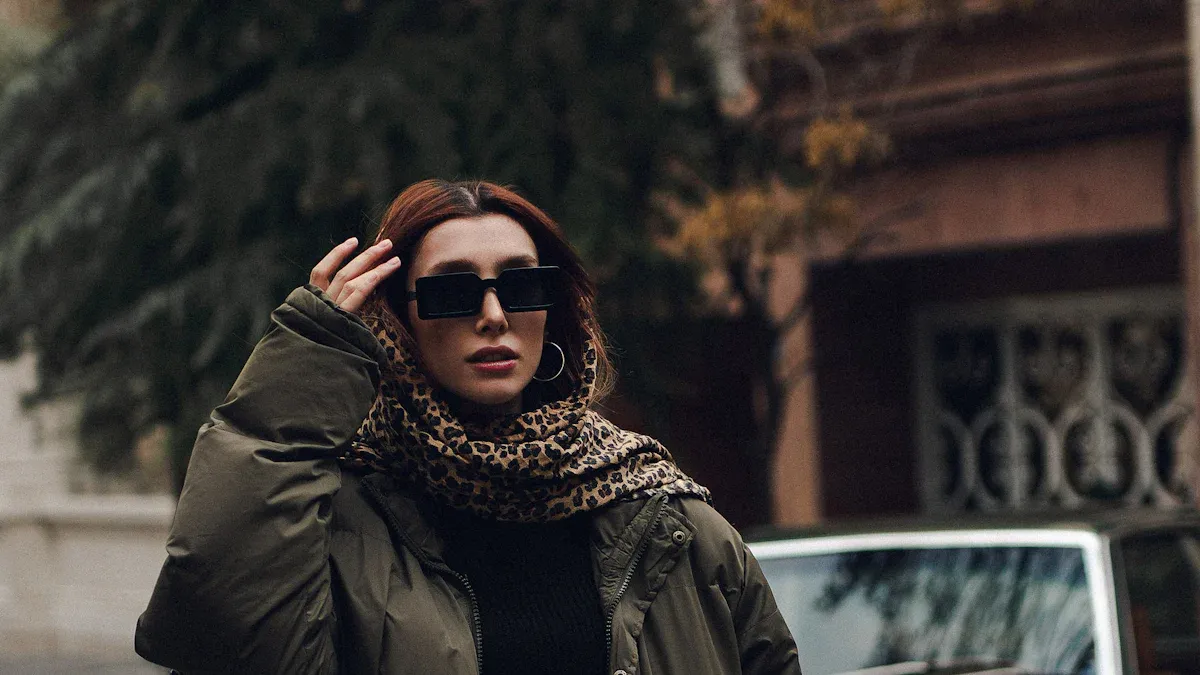
When it comes to layering clothes, having the right pieces in your wardrobe makes all the difference. Here are some must-have layering pieces that will elevate your style and keep you comfortable.
Essential Jackets
Jackets are a key component of any layered outfit. They not only provide warmth but also add a stylish touch. Here are five jacket styles you should consider:
Military Jacket
Bomber Jacket
Cape
Barn Jacket
Blazer
These jackets work well for layering because they come in various materials and fits. To help you choose the right one for your needs, here’s a quick look at suitable jacket materials for different climates:
Jacket Type | Description |
|---|---|
Waterproof/breathable jackets | Best for full-on squall conditions; generally more expensive and durable. |
Water-resistant/breathable jackets | Suitable for drizzly conditions and high activity; made of tightly woven nylon or polyester. |
Soft shell jackets | Emphasizes breathability; combines light rain and wind protection with light insulation. |
Waterproof/nonbreathable shells | Good for light activity in rainy conditions; made of coated nylon but can cause perspiration issues. |
Polyester fleece | Stays warm when damp and dries fast; requires a shell layer for wind protection. |
Down insulated jackets | Highly compressible and warm; loses efficiency when damp. |
Synthetic insulated jackets | Retain insulating ability when damp; popular for rainy conditions. |
Choosing the right jacket can enhance your layering game significantly. Look for styles that fit well and allow for movement without feeling bulky.
Versatile Cardigans
Cardigans are another essential layering piece. Their versatility makes them perfect for various occasions. You can wear them in multiple ways, such as buttoned up for a classic look or draped over your shoulders for a modern twist. Here are some features that make cardigans particularly versatile:
Asymmetrically Buttoned: Button your cardigan diagonally over another knit for a sculptural look.
Draped and Fastened at the Shoulders: Wear it like a scarf for a chic accessory.
Worn Open with a Knit Scarf: Layer it open over trousers and add a contrasting scarf for a modern touch.
Cardigans can be layered over different garments, making them ideal for transitional weather. They can easily transition from casual to office wear, depending on the style you choose.
Functional Outerwear
Outerwear plays a crucial role in layering, especially during transitional seasons. Here are some functional types of outerwear that you should consider:
Utility Jacket – Lightweight but durable, it’s the go-to for layering.
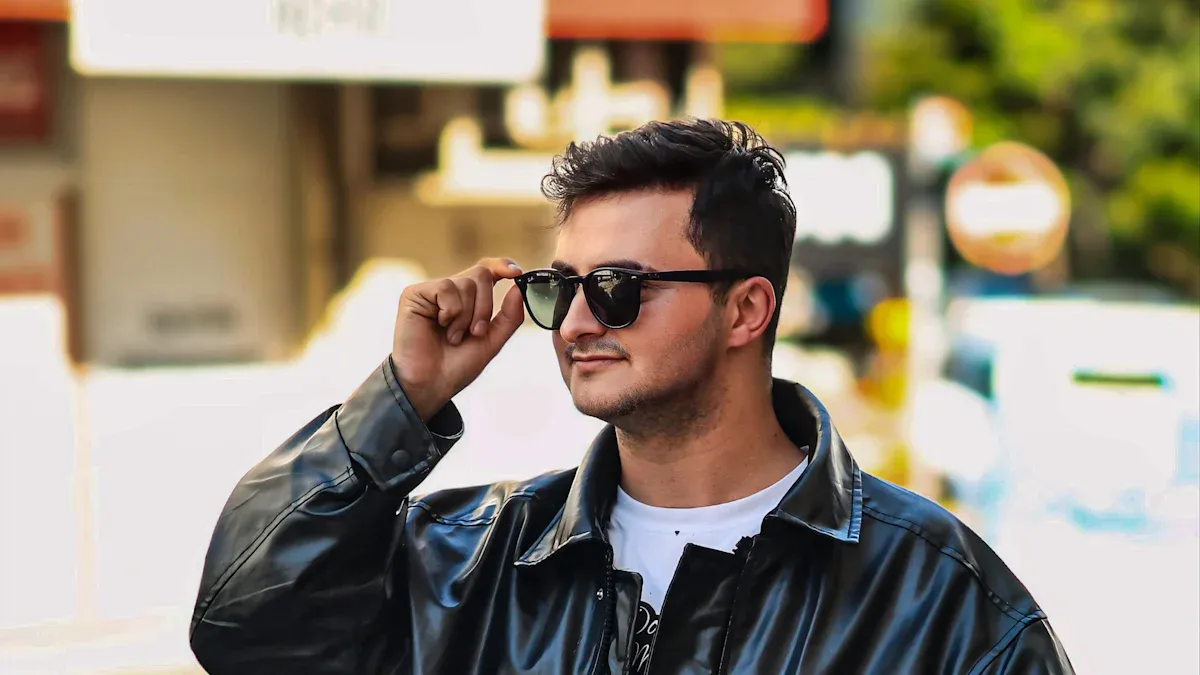
Leather Jacket – A forever classic, this piece toughens up any spring look.
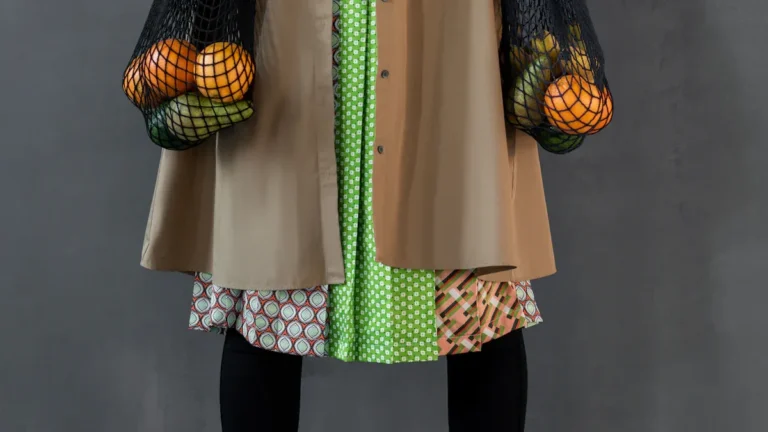
Trench Coat – Perfect for wind, rain, and those shoulder-season days.
Soft Knits & Sweaters – Not ready to pack them away? Don’t. They’re still crucial.
Lightweight Dresses – Throw a sweater or jacket over them, and they work all season.
Choosing the right outerwear enhances the practicality and comfort of your layered outfits. Outer layers protect against weather conditions, ensuring you stay cozy while looking stylish. Remember, the fit of your outer layers is essential to avoid bulkiness and ensure freedom of movement.
With these must-have layering pieces, you can create stylish outfits that adapt to any occasion. Layering clothes effectively allows you to express your personal style while staying comfortable.
Styling Tips for Layering
Combining Colors and Patterns
Mixing colors and patterns can elevate your layered outfits, but it’s essential to do it thoughtfully. Here are some tips to help you combine colors and patterns without overwhelming your look:
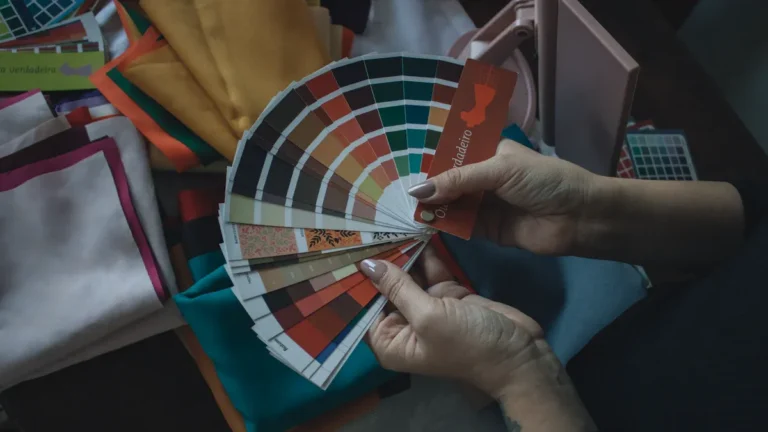
Start with Neutrals: Use neutral colors as your base. They provide a solid foundation for adding bolder colors and patterns.
Maintain a Common Color: When mixing patterns, try to keep one color consistent across all pieces. This creates harmony in your outfit.
Balance Weight and Texture: Combine heavier fabrics with lighter ones. This adds depth and keeps your look interesting.
Layer Thoughtfully: Begin with a smooth base layer. Add textured fabrics on top for visual intrigue.
Accessorize Wisely: Use accessories to tie your look together. A scarf or statement jewelry can pull everything into focus.
Avoid bulky layers that can drown your figure. Pair loose items with fitted pieces to create a balanced silhouette. For example, if you wear a loose cardigan, consider a fitted top underneath. This approach helps you layer without looking bulky.
Playing with Proportions
Proportions play a crucial role in layering. You want to create a balanced look that flatters your body type. Here are some strategies to keep in mind:
Start with a Strong Base Layer: Choose a comfortable and breathable base layer. This sets the foundation for your outfit.
Introduce Volume with Shape: Add layers that have shape and movement. Ensure they are slightly longer or wider than your base layer.
Add Structure: Use open or loosely fastened pieces to define your outfit. This keeps the relaxed feel while adding interest.
Mind Your Silhouette: Pay attention to proportional balance. If one part of your outfit is voluminous, keep the rest slim. For instance, pair an oversized coat with skinny jeans.
Different body types may require specific adjustments. Here’s a quick guide:
Body Type | Proportion Adjustment Tips |
|---|---|
Rectangle | Add waist definition with belts or tailored jackets. Use layering and texture to create visual dimension. |
Round (Apple) | Create vertical lines with open layers and longer hemlines. Choose structured shoulders to balance the upper body. |
Hourglass | Follow your natural waist instead of disguising it. Keep volume balanced between top and bottom. |
Pear (Triangle) | Add visual emphasis to the upper body with detail or structure. Choose darker or streamlined bottoms for balance. |
Inverted Triangle | Add volume or texture below the waist. Keep the upper body clean and uncluttered. |
Volume Contrast in Layering
Creating volume contrast in your layered outfits adds visual interest. Here are some techniques to achieve this:
Mix Textures: Layer different fabrics to prevent flatness in your outfit. For example, combine a chunky knit with leather for depth.
Define Your Waist: Use a belt or tailored pieces to accentuate your waist. This helps avoid losing your figure under layers.
Show Off Your Shape: Use fitted tops to highlight your figure beneath layers. This keeps your look streamlined.
Balance Proportions: If one part of your outfit is voluminous, keep the rest slim. For instance, pair an oversized coat with skinny jeans.
By following these tips, you can master the art of layering and create outfits that are both stylish and comfortable. Remember, layering is all about experimenting and finding what works best for you!
Layering for Occasions
Casual Outfits
When you want to look stylish yet comfortable, layering is your best friend for casual outfits. Start with a versatile base layer, like a simple t-shirt or a lightweight tank top. You can easily dress it up or down. For instance, if you’re heading out for brunch, throw on a denim jacket or a cozy cardigan. This not only keeps you warm but also adds a polished touch to your look.
Tip: Accessories can transform your outfit. A colorful scarf or a statement necklace can elevate your style without much effort.
Professional Looks
Layering in a professional setting requires a bit more thought. You want to look sharp while staying comfortable throughout the day. Here are some strategies to achieve that:
Start with a breathable base layer, such as a cotton shirt, to wick away moisture.
Add an insulating layer like a sweater or cardigan for warmth.
Finish with an outer layer to protect against wind and rain.
Invest in timeless pieces like a classic white button-down shirt, a well-fitted blazer, and tailored trousers for versatility.
Use neutral colors for foundational pieces to mix and match easily.
For winter, consider wool for your business attire. It’s warm and looks professional. Merino wool sweaters work great as mid-layers, providing warmth without bulk.
Formal Attire
Layering can add sophistication to your formal outfits. Here are some key considerations:
Fabric Type | Recommended Layering Options |
|---|---|
Light and Airy Fabrics | Fine knit cardigans, linen blazers |
Thick or Textured Fabrics | Wool coats, leather jackets |
To enhance your formal look, consider these layering pieces:
Layering Piece | Description |
|---|---|
Trench Coat | An elegant trench coat can be layered over a dress, providing versatility in length and a polished look. |
Leather Blazer | A black leather blazer adds an edgy yet sophisticated touch, suitable for various occasions. |
Cropped Jacket | Ideal for maxi dresses, a cropped jacket maintains shape and adds definition when paired with a belt. |
Classic Black Blazer | A tailored black blazer balances the flow of a maxi dress, enhancing the overall silhouette. |
Cape | A satin, silk, or cashmere cape adds elegance to formal dresses, ensuring a coordinated look. |
By adapting your layering techniques for different occasions, you can create outfits that are not only stylish but also functional. Whether you’re dressing down for a casual outing or dressing up for a formal event, layering gives you the flexibility to express your personal style.
Common Layering Mistakes
Overlapping Layers
One of the biggest mistakes you can make when layering is overlapping too many layers. While it might seem like a good idea to pile on the warmth, this can lead to a bulky appearance. Instead, focus on the third piece rule. This means you should aim for a base layer, a mid-layer, and an outer layer. Each layer should serve a purpose without overwhelming your frame.
Tip: Always prioritize function over fashion. Make sure your layers keep you warm and comfortable, especially in colder weather.
Ignoring Proportions
Ignoring proportions can ruin your layered look. You want to mix fitted pieces with looser items. For example, pair a fitted turtleneck with an oversized cardigan. This creates a balanced silhouette. Also, vary the lengths of your layers. A long shirt under a cropped jacket can add dimension to your outfit.
Moreover, we want to emphasize that choosing the wrong sizes can make you look bulky.
Clashing Colors
Clashing colors can disrupt the harmony of your layered outfit. When you mix too many bold colors, it can create a disjointed appearance. Instead, maintain a cohesive color palette. Stick to one or two patterns and keep the rest neutral. This helps keep your outfit balanced and stylish.
Clashing colors can draw attention away from your overall look.
A cohesive color palette is essential for maintaining harmony.
By avoiding these common layering mistakes, you can ensure a balanced and stylish appearance. Remember, layering is about comfort and style, so take the time to find what works best for you!
Layering clothes can transform your style and keep you comfortable. Remember these key takeaways:
Start with a lightweight base layer, like a fitted tee or tank.
Add warmth with a mid-layer, such as a cozy cardigan.
Finish with a structured outer layer for polish and protection.
Don’t forget to mix fitted and oversized pieces for balance. Accessories like scarves and hats can elevate your look. So, go ahead and experiment with your layering techniques. Find what works for you and express your unique style! 🌟
FAQ
What are the best base pieces for layering?
The best base pieces for layering include fitted tees, lightweight turtlenecks, and breathable tanks. These items provide a solid foundation for your outfit combinations, allowing you to build stylish layers without bulk.
How can I create polished workwear outfits?
To create polished workwear outfits, start with tailored trousers or a pencil skirt. Layer a crisp button-down shirt with a fitted blazer. This combination offers versatility and sophistication, perfect for the office.
What should I consider when choosing outerwear for layering?
When choosing outerwear, consider the fit and fabric. Look for jackets that allow movement and complement your base pieces for layering. A well-fitted trench or a structured blazer can elevate your outfit while keeping you warm.
How do I mix patterns in my layered outfits?
Mixing patterns can be fun! Start with one bold pattern and pair it with a subtle one. Keep the color palette cohesive to maintain harmony in your outfit. This approach adds visual interest without overwhelming your look.
Can I wear layering essentials in summer?
Absolutely! You can wear layering essentials in summer by opting for lightweight fabrics. A light cardigan or a denim jacket can add style without overheating. Just remember to keep your base layers breathable.