


Sunscreen is an essential part of your daily skincare routine, and understanding Sun Protection Explained is vital for maintaining healthy skin. It protects your skin from harmful UV rays that cause premature aging. Surprisingly, only about 11% of Americans apply sunscreen daily. Many people believe myths that downplay the necessity of sun protection, such as thinking it’s only needed on sunny days. However, UV rays can harm your skin even when it’s cloudy. Daily application of sunscreen helps prevent skin damage and keeps your skin looking youthful.
Remember, protecting your skin is crucial, no matter the weather!
Key Takeaways
Apply sunscreen daily, even on cloudy days, to protect your skin from harmful UV rays.
Choose a broad-spectrum sunscreen with at least SPF 30 to effectively block both UVA and UVB rays.
Reapply sunscreen every two hours, especially after swimming or sweating, to maintain protection.
Select physical sunscreens with zinc oxide or titanium dioxide for sensitive skin to minimize irritation.
Regular sunscreen use can significantly reduce the risk of skin cancer and prevent premature aging.
UV Light Basics

UVA vs. UVB Effects
Understanding the differences between UVA and UVB rays is crucial for protecting your skin. Both types of UV rays can harm your skin, but they do so in different ways. Here’s a quick comparison:
Type of Ray | Wavelength (nm) | Penetration Depth |
|---|---|---|
UVA | 320–400 | Deeper into the dermis |
UVB | Shorter than UVA | Affects the outer epidermis |
UVA rays penetrate deeper into the skin. They can cause long-term damage, leading to premature skin aging and wrinkles.
UVB rays primarily affect the outer layer of your skin. They are responsible for sunburn and short-term damage.
Impact on Skin Aging
Exposure to UV rays accelerates the signs of aging. Research shows that consistent UV exposure can account for up to 80% of visible facial aging. This includes wrinkles, age spots, and uneven pigmentation. A study published in the Journal of Investigative Dermatology found that just 10 minutes of unprotected sun exposure can lead to collagen loss. Collagen is essential for maintaining skin elasticity and firmness.
Moreover, UVB rays can cause sunburn, which weakens your skin’s ability to regenerate. Frequent sunburns increase the risk of skin cancer and contribute to photo-aging. In contrast, UVA rays lead to deeper skin damage, causing long-term issues like sagging and wrinkles.
To protect your skin from these harmful effects, daily application of sunscreen is vital. Choose a broad-spectrum sunscreen that shields against both UVA and UVB rays. This simple step can significantly reduce your risk of premature skin aging and keep your skin looking youthful.
Sunscreen Ingredients Explained
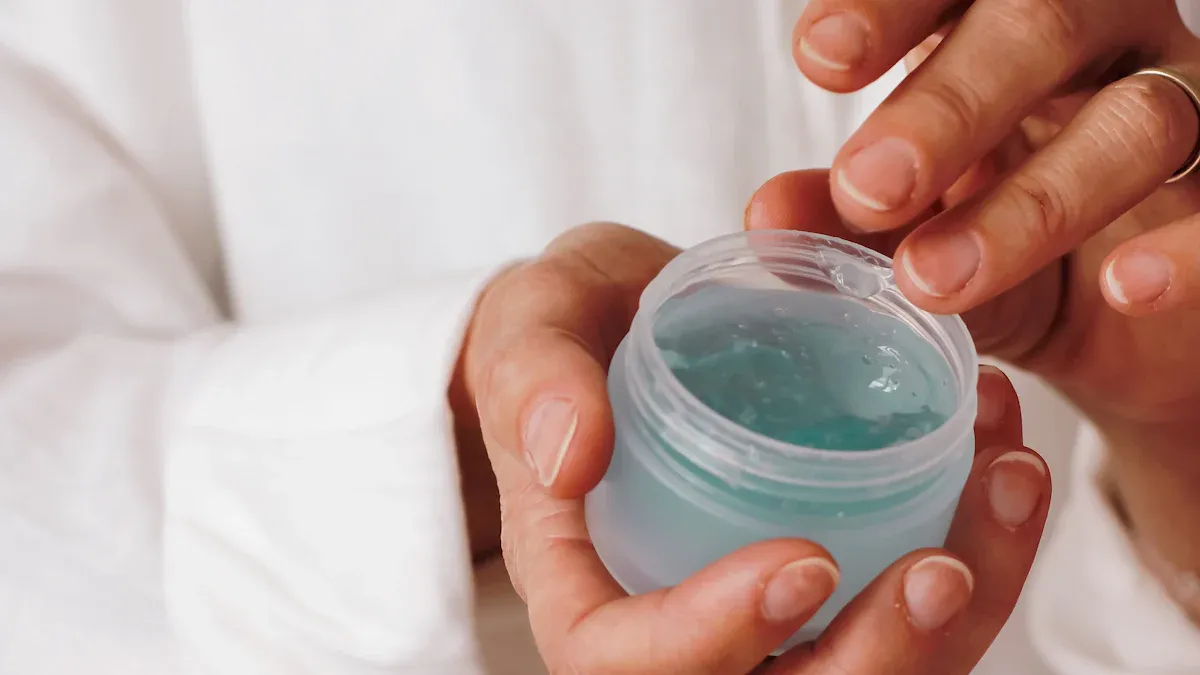
Chemical vs. Physical
When choosing a sunscreen, you will encounter two main types: chemical and physical. Each type has unique properties and benefits.
Chemical Sunscreens: These products absorb UV radiation and convert it into heat, which your skin then releases. Common ingredients include:
Avobenzone: Absorbs UV radiation and converts it into heat.
Octisalate: Functions similarly by absorbing UV rays.
Octocrylene: Also absorbs UV radiation.
Oxybenzone: Absorbs UV light and converts it to heat.
Octinoxate: Absorbs UV radiation and dissipates it as heat.
While chemical sunscreens are often lightweight and easy to apply, some ingredients, like oxybenzone, may disrupt the endocrine system and accumulate in the body. This raises concerns about potential health risks.
Physical Sunscreens: These products contain mineral ingredients that sit on the skin’s surface and reflect UV radiation. The most common ingredients are:
Zinc oxide: Provides broad-spectrum protection against both UVA and UVB radiation, is gentle on the skin, and less likely to cause irritation.
Titanium dioxide: Also offers broad-spectrum protection and is gentle on the skin.
Physical sunscreens are generally considered safe and well-tolerated. They create a physical barrier that blocks UV rays, making them ideal for sensitive skin. However, they can leave a white cast on the skin, which some users find unappealing.
Safety Considerations
Safety is a crucial factor when selecting sunscreen. Regulatory guidelines exist to ensure that sunscreen ingredients are safe for use. In the United States, the FDA regulates sunscreens as over-the-counter drugs. This means they must comply with strict regulations regarding ingredients, concentrations, and labeling.
In Europe, sunscreens fall under cosmetic product regulations. The EU requires a safety assessment for all sunscreen products. Key regulations include:
Region | Classification | Key Regulations | Testing Requirements | Labeling Standards |
|---|---|---|---|---|
EU | Cosmetic Product | Regulation (EC) 1223/2009 | SPF testing, Safety Assessment | Clear warnings, No misleading claims |
US | Over-the-Counter Drug | OTC monograph | Specific testing methods, GRASE | No misleading claims, Specific labeling requirements |
Both regions require that sunscreens undergo safety assessments. They must also include clear labeling that informs consumers about SPF levels and usage instructions.
Recent research has raised concerns about certain ingredients. For example, avobenzone and oxybenzone have been detected in the bloodstream shortly after application. This raises questions about their long-term effects on health.
As you choose a sunscreen, consider opting for products with safer ingredients. Look for those labeled as “reef-safe” to minimize environmental impact. Many manufacturers are now developing biodegradable ingredients to address concerns about marine ecosystems.
By understanding the differences between chemical and physical sunscreens, you can make informed choices that protect your skin and overall health.
SPF and Its Importance
Understanding SPF Ratings
SPF stands for “sun protection factor.” It measures how well sunscreen protects your skin from UVB rays, which cause sunburn. Here’s how SPF works:
SPF indicates the time it takes for UVB radiation to cause sunburn on protected skin compared to unprotected skin.
For example, if you use SPF 30, you can theoretically stay in the sun 30 times longer without burning than if you wore no sunscreen at all.
The higher the SPF number, the greater the protection against UVB rays. However, higher SPF numbers do not provide double the protection. For instance:
SPF 15 blocks about 93% of UVB radiation.
SPF 30 blocks about 97%.
SPF 50 blocks about 98%.
While higher SPF offers more protection, the increase in UVB protection diminishes with higher values. Therefore, even SPF 30 provides significant protection for most people.
SPF and Skin Cancer Prevention
Using sunscreen with an adequate SPF can significantly reduce your risk of developing skin cancer. Research shows that regular use of sunscreen can lower the incidence of melanoma by 50% to 73%. Here are some key points to consider:
Daily use of SPF 15 sunscreen can prevent new primary melanomas. Studies show that those who use sunscreen daily have fewer cases of skin cancer compared to those who do not.
The American Academy of Dermatology recommends using sunscreen with at least SPF 30 for effective protection. This level ensures broad-spectrum protection against both UVA and UVB rays.
A study found that nearly 5 million people in the U.S. receive treatment for skin cancers annually, with melanoma accounting for about 9,000 deaths each year. This highlights the importance of sun protection.
Source | Recommendation |
|---|---|
American Academy of Dermatology | SPF 30 or higher, broad-spectrum protection, water resistance |
Dr. Nada Elbuluk | SPF 30 or higher daily |
Doctor Rogers | At least SPF 30, broad spectrum, reapply every two hours |
By choosing a sunscreen with the right SPF and applying it daily, you can protect your skin from harmful UV rays and reduce your risk of skin cancer. Remember, consistent use is key to maintaining healthy skin.
Choosing Broad-Spectrum Sunscreen
Importance of Broad-Spectrum
When selecting sunscreen, you must prioritize broad-spectrum protection. This means your sunscreen should shield your skin from both UVA and UVB rays. UVA rays penetrate deep into the skin, causing long-term damage and aging. UVB rays primarily affect the outer layer, leading to sunburn. Without broad-spectrum coverage, you leave your skin vulnerable to harmful effects.
Here are key criteria for choosing a broad-spectrum sunscreen:
SPF 30 or higher: This level provides adequate protection against UVB rays.
Broad-spectrum protection: Look for labels that confirm it blocks both UVA and UVB rays.
Water-resistant: Choose formulas that remain effective for up to 40 minutes of swimming or sweating.
Research shows that many sunscreens do not provide the protection they claim. A study by the Environmental Working Group found that most sunscreens offer only 24% of the UVA protection they advertise. This inadequacy poses a public health risk, as UVA rays are linked to skin cancer.
Tips for Sensitive Skin
If you have sensitive skin, selecting the right sunscreen is crucial. Here are some tips to help you choose:
Ingredient | Benefits | Considerations |
|---|---|---|
Zinc Oxide | Offers broad-spectrum protection against UVA and UVB rays; gentle on sensitive skin. | May leave a white cast, but newer formulations reduce this issue. |
Titanium Dioxide | Protects primarily against UVB and short-wave UVA rays; well tolerated by sensitive skin. | Can leave a slight white residue unless tinted or micronized. |
Additionally, consider these tips:
Wear sunscreen daily, even on cloudy days.
Use water-resistant formulas for swimming or sweating.
Check expiration dates to ensure effectiveness.
Add extra protection with hats, sunglasses, and UPF-rated clothing.
Avoid certain ingredients known to irritate sensitive skin, such as:
Oxybenzone
Retinyl Palmitate
PABA
Benzene
Parabens
Phthalates
Synthetic fragrance
By following these guidelines, you can effectively protect your skin while minimizing the risk of irritation.
Using sunscreen daily offers numerous benefits for your skin. Here are some key reasons to make it a part of your routine:
Regular sunscreen use blocks harmful UV rays that contribute to premature aging and skin damage.
It helps maintain an even skin tone and texture.
Consistent application reduces the risk of skin cancer, including melanoma.
By prioritizing sun protection, you can enjoy outdoor activities while keeping your skin health in check. Remember to reapply every two hours, especially during prolonged sun exposure. Make sunscreen a habit, and your skin will thank you for years to come!
FAQ
What is the best SPF to use daily?
You should use a sunscreen with at least SPF 30 for daily protection. This level blocks about 97% of UVB rays, helping to prevent sunburn and skin damage.
How often should I reapply sunscreen?
Reapply sunscreen every two hours, especially after swimming or sweating. If you’re outdoors for extended periods, consider reapplying more frequently to maintain protection.
Can I use sunscreen on my face and body?
Yes, you can use sunscreen on both your face and body. Look for products labeled as non-comedogenic for facial use to avoid clogging pores.
Is sunscreen necessary on cloudy days?
Absolutely! Up to 80% of UV rays can penetrate clouds. You should apply sunscreen daily, regardless of the weather, to protect your skin from UV damage.
What should I look for in a sunscreen for sensitive skin?
For sensitive skin, choose a physical sunscreen with zinc oxide or titanium dioxide. These ingredients provide broad-spectrum protection and are less likely to irritate your skin.
