Accurate measurements are crucial when you shop online. Did you know that 67% of online fashion returns happen because of fit and sizing issues? This statistic shows just how important it is to get your measurements right. With brands often using different sizing standards, it can be tricky to find your perfect fit. However, knowing how to measure clothing size can help you avoid returns and ensure you love what you buy. You’ll feel more confident in your choices and enjoy a smoother online shopping experience!
Key Takeaways
Accurate measurements are crucial for online shopping. Measure your bust, waist, and hips to find the right fit and reduce returns.
Always measure on bare skin or thin clothing. This ensures you get the most accurate measurements for a better fit.
Consult size charts before making a purchase. Size can vary between brands, so checking the chart helps avoid sizing issues.
Recheck your measurements multiple times. This practice helps confirm accuracy and boosts your confidence in your size.
Avoid common mistakes like measuring over clothes or ignoring size guides. These errors can lead to poor fit and increased returns.
Key Measurements
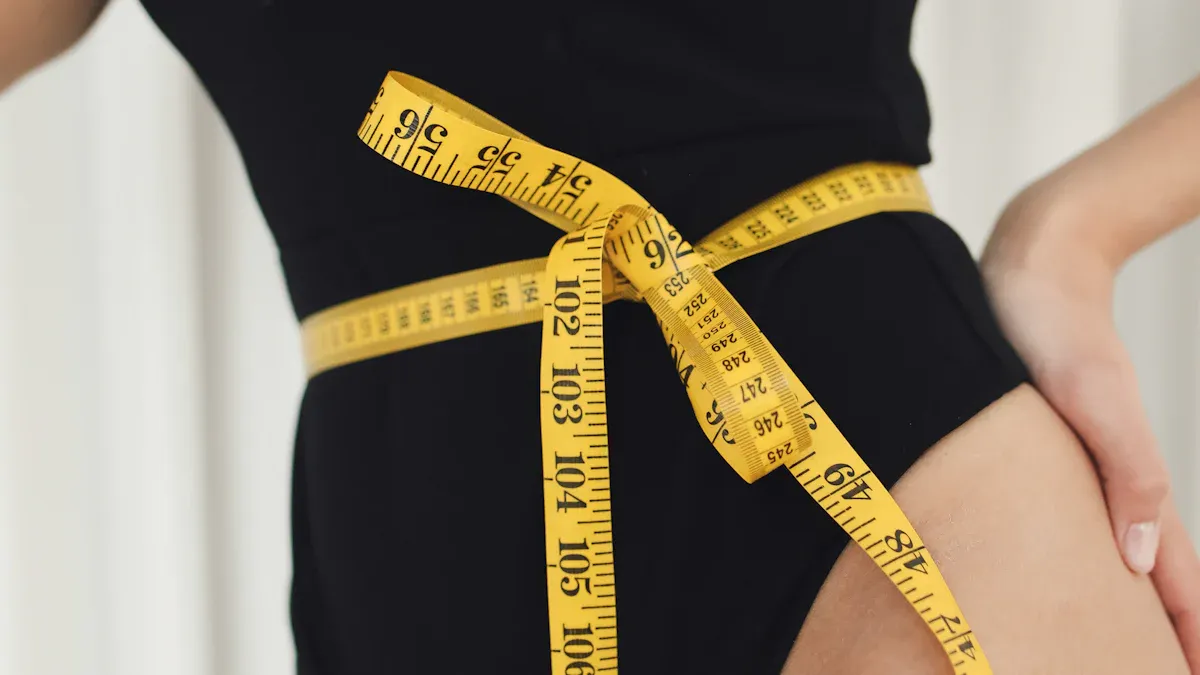
Getting your measurements right is the first step to successful online shopping. Accurate measurements help you find the perfect fit, reducing the chances of returns. Here’s how to measure your bust, waist, and hips correctly.
Measure Bust Size
To measure your bust size, grab a cloth tape measure. Wrap it around the fullest part of your chest, making sure the tape is level and snug but not too tight. This measurement is crucial for tops, dresses, and jackets. Here are some tips to keep in mind:
Stand up straight with your arms relaxed at your sides.
Ensure the tape measure is parallel to the ground.
If you’re wearing a bra, measure over it for a more accurate fit.
Measure Waist Size
Your waist measurement is essential for finding the right fit in pants and skirts. To measure your waist, follow these steps:
Locate your natural waistline, which is usually just above your belly button.
Wrap the tape measure around your waist, keeping it flat against your body. It should be snug but not constricting.
Take a deep breath and relax your stomach before recording the measurement.
Tip: Many people make the mistake of measuring over clothes. Always measure on bare skin or over thin clothing to get the most accurate reading.
Measure Hip Size
Measuring your hips is vital for selecting the right size for bottoms. Here’s how to do it:
Stand with your feet together and wrap the tape measure around the largest part of your hips.
Make sure the tape is level and not too tight.
Record the measurement, as this will help you choose the right size for pants and skirts.
Remember, the full hip measurement is essential for a proper fit. It’s the basis for determining size when using commercial patterns or buying ready-to-wear clothing.
Measurement Type | Description |
|---|---|
Bust | Measure the circumference of your chest at the fullest part. |
Waist | Measure the circumference at your natural waistline, above the belly button. |
Hips | Measure the circumference at the largest part of your hips. |
Taking accurate measurements can save you time and frustration when shopping online. By knowing your bust, waist, and hip sizes, you can confidently select clothing that fits well and flatters your body shape.
Tips for Measuring Correctly
Getting accurate body measurements is essential for a successful online shopping experience. Here are some tips to help you measure yourself effectively.
Tools for Measuring
Using the right tools can make a big difference in your measurement accuracy. A flexible cloth tape measure is your best friend. Look for one that has features like:
Feature | Description |
|---|---|
Unique Design | Color codes each side of the tape to prevent mixing up standard and circumference measurements. |
Standardized Force | A spring-loaded button ensures consistent tightening force, reducing user error and improving accuracy. |
Accuracy | Reduces variability in measurements caused by different users applying varying force. |
With the right tape, you can measure your chest, waist, and hips with confidence.
Measuring Techniques
When you measure your own body, follow these techniques for the best results:
Stand Straight: Good posture helps you get accurate measurements. Stand up straight and relax your arms at your sides.
Use a Mirror: A mirror can help you ensure the tape is level and positioned correctly.
Take Your Time: Don’t rush. Measure each area twice to confirm accuracy.
Tip: If you’re unsure about your measurements, consider using technology. Apps like Mirrorsize and 3DLOOK can provide precise 3D body measurements quickly, enhancing your online shopping experience.
Getting Help with Measurements
Sometimes, it’s hard to measure your own body accurately. Don’t hesitate to ask for help! A friend or family member can assist you in getting the right measurements. Additionally, many online retailers offer customer support to help you determine your size. Tools like the Clothing Size Finder Pro can provide accurate fitting information, guiding you to make informed decisions.
By following these tips, you can ensure that you measure correctly and find the perfect fit for your clothing purchases.
Understanding the Sizing Guide
When you shop online, understanding the sizing guide is essential. Size charts can help you make informed decisions about what to buy. Here’s how to read them effectively.
How to Read Size Charts
Reading a size chart might seem daunting at first, but it’s straightforward once you know what to look for. Here are some key elements to consider:
Clarity: A well-designed sizing chart presents measurements clearly. Look for charts that specify whether the sizes refer to body measurements or garment dimensions. This distinction is crucial for making the right choice.
Accuracy: Ensure the measurements are accurate. A trustworthy size chart boosts your confidence, reducing hesitation during your shopping experience. When you feel certain about your size, you’re more likely to complete your purchase.
Tip: Always compare your measurements with the sizing chart before making a purchase. This step can save you from the hassle of returns.
Brand Size Variations
One of the biggest challenges in online shopping is the lack of standardized sizing across brands. Here’s what you should know:
Inconsistencies: There’s no universal sizing guideline in the clothing industry. This leads to significant variations between brands. For example, H&M often runs smaller than expected, while Old Navy is known for vanity sizing, which can confuse shoppers.
Measurement Differences: Some brands provide clear garment measurements, while others do not. This inconsistency can lead to confusion, especially if the retailer doesn’t specify whether the measurements refer to the garment or body sizes.
Here are some notable examples of size variations among popular brands:
H&M: Known for tight-fitting clothes, often running smaller than expected. Customers frequently need to size up.
Old Navy: Often criticized for vanity sizing, where sizes may not reflect true measurements.
Zara: Offers a Fit Analytics service to help customers find the best fit, indicating variability in sizing across different styles.
Importance of Size Guides
Consulting a sizing guide before making an online purchase is vital. It helps you feel confident about your choices. Here’s why:
Confidence in Fit: Many shoppers feel unsure about how clothes will fit. Having a reference for comparison to your body type ensures you can feel confident in your purchase.
Reduced Returns: Size guides can significantly reduce return rates. Studies show that increased use of size finders correlates with higher customer satisfaction and lower return rates. When you know your size, you’re less likely to send items back.
Common Mistakes to Avoid
Measuring Over Clothes
One of the biggest mistakes you can make is measuring over your clothes. This adds bulk and can distort your measurements. For the most accurate results, always measure over bare skin or light clothing. A study shows that measuring over light clothing can lead to a difference of up to 0.5 cm in waist circumference. This small difference can affect your ability to select the right size.
Tip: Strip down to minimal clothing when taking your measurements. This way, you’ll get a more precise reading.
Ignoring Size Guides
Many shoppers ignore size guides, thinking they know their size. However, this can lead to frustration. A survey revealed that 61% of consumers returned apparel due to poor fit, often because they didn’t consult the size chart. Remember, sizes can vary significantly between brands.
Here are some reasons why you should always check the size guide:
You’ll avoid receiving items that don’t fit as expected.
You’ll reduce the chances of returning clothing, saving time and hassle.
You’ll feel more confident in your purchase decisions.
Not Rechecking Measurements
Another common mistake is not rechecking your measurements. Taking just one measurement can lead to errors. It’s best to measure each area multiple times to ensure accuracy. Here’s a quick checklist to help you avoid mistakes:
Measure while standing straight.
Use a flexible tape measure.
Record your measurements for future reference.
By being mindful of these common mistakes, you can improve your chances of finding the perfect fit when shopping online.
Accurate measurements and understanding size charts are key to a successful online shopping experience. They help you avoid returns and ensure you get the right fit. Remember to take your time and double-check your measurements. This small effort can lead to significant benefits, like improved fit and reduced return rates.
Tip: Brands like Linksoul have seen a 19% reduction in size-related returns by enhancing their sizing strategies. So, apply the tips you’ve learned here, and enjoy a more satisfying shopping experience!
FAQ
How do I measure clothing size accurately?
To measure clothing size accurately, use a flexible tape measure. Measure your bust, waist, and hips directly on bare skin or thin clothing. Always double-check your measurements for the best fit.
What if my measurements fall between sizes?
If your measurements fall between sizes, choose the larger size for comfort. You can also check the brand’s size chart for guidance on how their sizes fit.
Can I trust size charts from different brands?
Size charts vary by brand, so always consult them before purchasing. Each brand may have different sizing standards, which can affect the fit of the clothing.
How often should I measure myself?
You should measure yourself every few months or whenever your body changes. Regularly checking your measurements helps ensure you always know how to measure clothing size accurately.
What should I do if my clothes don’t fit?
If your clothes don’t fit, check the size chart and your measurements again. If they still don’t fit, consider returning or exchanging them for a better fit.