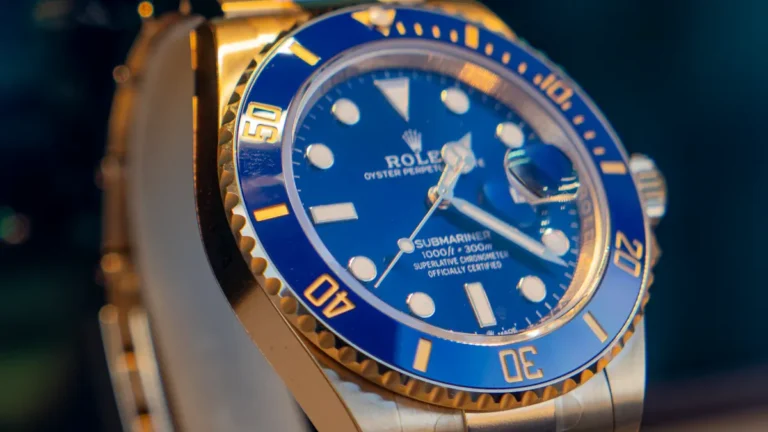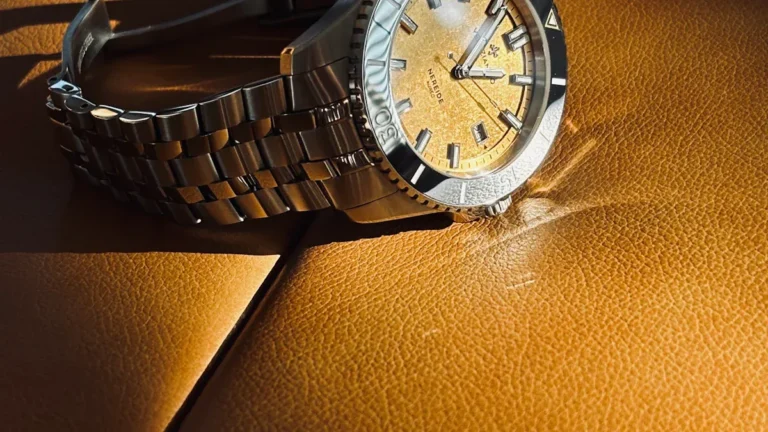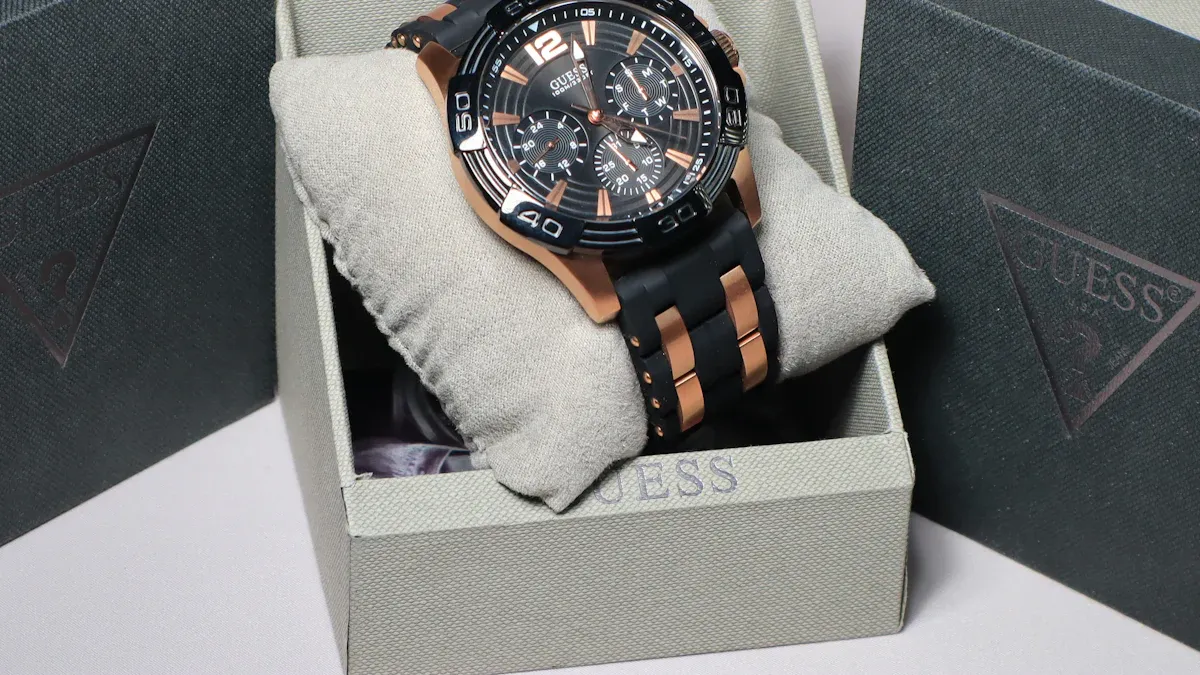
Choosing the right watch size matters for both comfort and style, and that’s where our Size & Fit Guide comes in. A watch that fits well enhances your look and feels good on your wrist. Understanding key elements like case diameter, lug width, and strap adjustment helps you achieve the perfect fit. These factors ensure your watch not only looks great but also feels comfortable throughout the day. When you know how to select the right size using our Size & Fit Guide, you can enjoy your watch to the fullest.
Key Takeaways
A well-fitting watch enhances both comfort and style. It should sit snugly on your wrist without causing discomfort.
Key measurements like case diameter, lug width, and wrist size are essential for selecting the right watch. These factors affect how the watch looks and feels.
Always measure your wrist circumference with a flexible tape to find the best watch size for you. This helps ensure a proportional fit.
When choosing a watch strap, check the lug width to ensure compatibility. A proper fit enhances comfort and style.
Try on different watch styles before buying. This allows you to see how they wear and feel on your wrist.
Watch Size Basics
What is Case Diameter
Case diameter refers to the distance across the watch when viewed from above. This measurement typically excludes the crown, which is the knob used to set the time. Knowing the case diameter helps you understand how the watch will look on your wrist. A larger diameter can create a bold statement, while a smaller diameter often appears more delicate and refined.
Importance of Case Diameter
The case diameter plays a crucial role in both the visual appeal and comfort of your watch. Here are some key points to consider:
The geometry of the watch case affects its visual appeal on your wrist.
Different shapes of watch cases offer various aesthetic appeals.
The case diameter influences the comfort and fit of the watch when worn.
When selecting a watch, you should also consider how the case thickness impacts the overall fit.
Thinner cases are generally more comfortable for smaller wrists.
Thicker cases provide a more substantial feel for larger wrists.
A watch that is too tight can cause discomfort and leave indentations on your wrist. Conversely, a watch that is too loose can shift around, knock against surfaces, and become an annoyance. The correct size should sit snugly but not constrictively, allowing for comfort and ease of wear.
Common mistakes when selecting watch size include:
Understanding watch case sizes: Different sizes suit different wrist types. Small cases are for smaller wrists, while large cases are for larger wrists.
Measuring your wrist size: Use a flexible measuring tape to find your wrist circumference, which helps in determining the appropriate watch size.
Matching the watch case size to your wrist: Guidelines suggest specific case sizes for small, medium, and large wrists to ensure a proportional fit.
Considering the watch’s case thickness: The thickness affects comfort and style; thinner watches are more elegant, while thicker ones are bolder.
Other factors to consider: The width of the watch band should complement the case size, and personal style preferences also play a significant role.
By understanding case diameter and thickness, you can make informed choices that enhance both the comfort and style of your watch.
Measuring Case Diameter
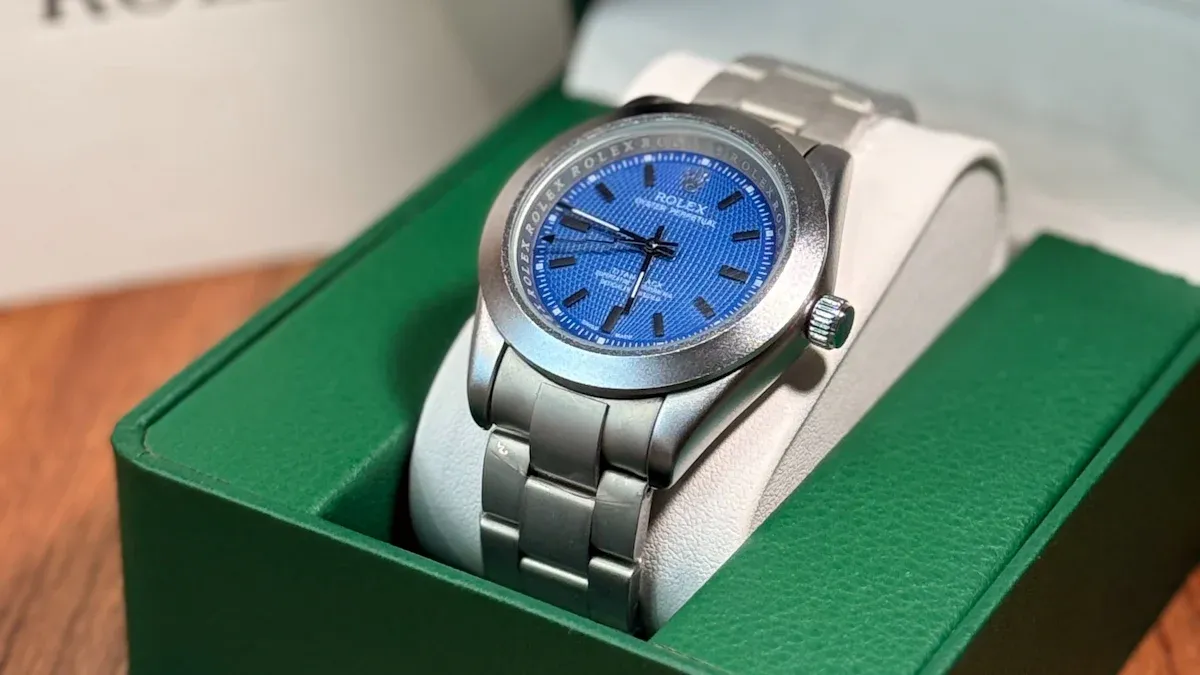
Tools for Measurement
To measure the case diameter of your watch accurately, you need the right tools. Here are the essential tools you should have:
Calipers: These are the most accurate tools for measuring watch case diameter and thickness. They can measure both inside and outside diameters, ensuring precision.
Vernier Tools: Often referred to as calipers, these tools provide detailed measurements in millimeters, making them ideal for watch cases.
Ruler: A standard ruler can work in a pinch, but it may not provide the same level of accuracy as calipers.
Using these tools will help you achieve precise measurements, which is crucial for finding the right fit for your watch.
How to Measure Case Diameter
Measuring the case diameter of your watch is straightforward. Follow these steps for accurate results:
Position the Watch: Place the watch face up on a flat surface.
Measure Across the Case: Use the calipers to measure the case diameter from side to side. Exclude the crown, focusing on the area at the 8 o’clock and 2 o’clock positions.
Check the Thickness: Use the calipers to measure the case thickness, excluding the crystal. This measurement helps you understand how the watch will sit on your wrist.
For Unique Shapes: If your watch has a cushion case, measure across the narrowest part. For rectangular or tonneau cases, measure both the width and length.
Lug Width Measurement: Measure the lug width between the inner edges of the lugs. This measurement is vital for selecting the right strap.
Lug-to-Lug Distance: Finally, measure the lug-to-lug distance from one end of the lugs to the other. This helps ensure the watch fits comfortably on your wrist.
By following these steps, you can accurately measure the case diameter of your watch. This knowledge will guide you in selecting a watch that fits well and complements your style.
Lug Width & Watch Strap Size
What is Lug Width
Lug width refers to the measurement between the two lugs of a watch case. This space is crucial because it determines how the watch strap attaches to the watch. The strap connects using spring bars that fit into the lugs. A proper lug width ensures that the strap fits securely and comfortably on your wrist.
Standard Lug Width Sizes
Common lug widths range from 16 mm to 24 mm, with 20 mm being the most typical size. Here’s a quick overview of standard lug widths:
Common Lug Widths |
|---|
18mm |
20mm |
22mm |
24mm |
19mm (rare) |
21mm (rare) |
Understanding these sizes helps you choose the right strap for your watch. The lug width affects the compatibility of watch straps and overall comfort.
A strap that is too narrow can look disproportionate on your wrist.
The correct strap width enhances both aesthetics and comfort.
Proper measurement of lug width is necessary for a good fit with the watch case.
When selecting a watch strap, always check the lug width. This simple step ensures that your watch not only looks great but also feels comfortable throughout the day. A well-fitted strap can make a significant difference in how you experience wearing your watch.
By paying attention to lug width, you can avoid common pitfalls and enjoy a stylish, comfortable watch that suits your personal style.
Adjusting the Watch Strap
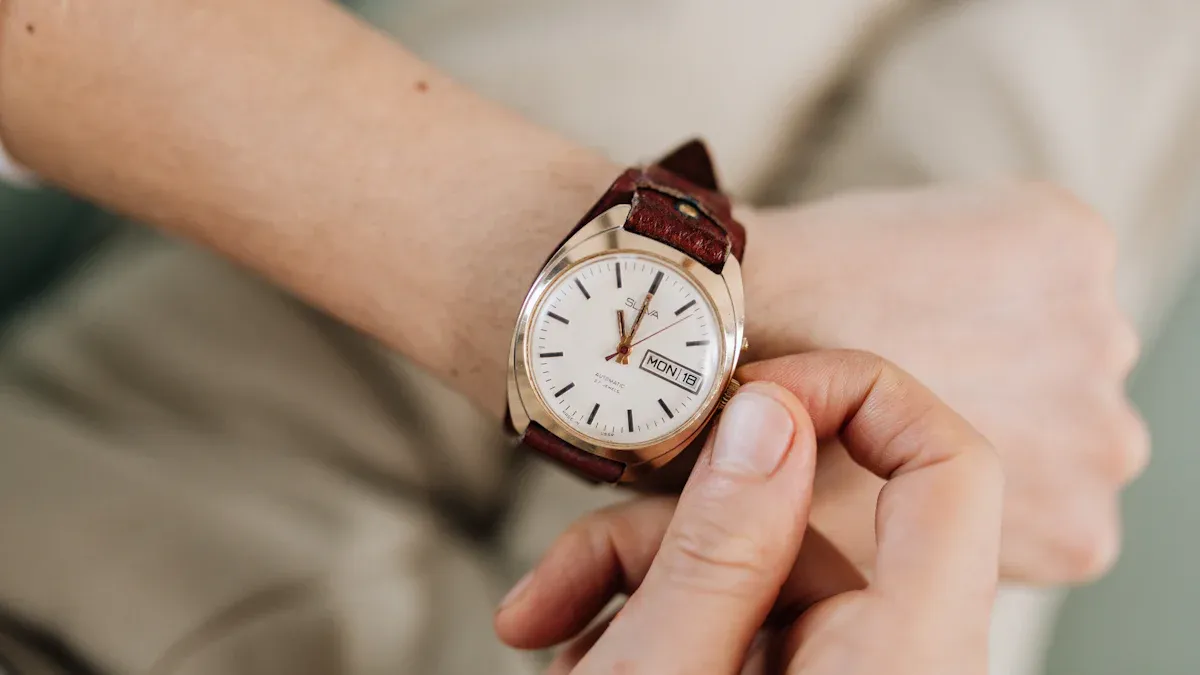
Types of Watch Straps
When it comes to watch straps, you have many options to choose from. Each type offers unique features and styles. Here are some popular types of watch straps available on the market:
NATO
Zulu
Smartwatch & Apple Watch
Rally
Oyster
President
Jubilee
Engineer
Aviator / Pilot
Bund
Shark Mesh
Milanese
Tropic
Perlon
Waffle
Double Ridge
NASA
Each strap type can change the look and feel of your watch. For example, NATO straps are known for their durability and versatility, while leather straps offer a classic and elegant appearance. Understanding these options helps you select a strap that matches your style and comfort needs.
How to Adjust Watch Straps
Adjusting your watch strap ensures a perfect fit on your wrist. Here are some tips for adjusting different types of straps:
Metal Bracelets: Use clasp micro adjustments for 2–4 mm incremental changes. This method works well for dive watches, allowing you to achieve a snug fit.
Leather and Rubber Straps: These typically have fixed intervals of 6 mm. This limits precision, but you can still find a comfortable fit by choosing the right hole.
Deployant Clasps: These clasps improve comfort and security. They often rely on strap holes for sizing, so ensure you select the right hole for your wrist size.
NATO Straps: These straps offer a broad range of sizes but lack fine adjustment capabilities. You can easily adjust the length by sliding the strap through the buckle.
Single Pass Straps with Ladder Buckles: These allow for continuous fine control and tool-free adjustments. You can easily modify the length without fixed hole limitations.
To adjust your strap properly, you may need some tools. Here are a few essential tools for adjusting various types of watch straps:
Cut out blade screwdriver: This tool is essential for metal watch bands with slotted screws.
Multi-purpose watch band tool: Ideal for Swiss luxury watches, this tool is compact and versatile for travel.
Double Ended Screw Removing Tool: Useful for double-ended screws in some watch bands.
When adjusting your strap, follow these best practices to prevent damage:
Use MACHETE’s Watch Resizing Kit to avoid damage from household tools.
Carefully remove and reinsert pins, ensuring the pin fits securely.
For metal link watches, use a pin punch tool and a hammer to remove pins, following the direction indicated by arrows.
By understanding the types of straps and how to adjust them, you can ensure your watch fits comfortably and securely. A well-fitted strap enhances your overall experience and style.
How Should a Watch Fit?
Matching Watch Size to Wrist Size
Finding the right watch size for your wrist is essential for both comfort and style. A well-fitting watch should look balanced and proportional to your wrist. Here are some key indicators that a watch fits properly:
A watch should sit a little below the wrist bone.
The case diameter should match your wrist size.
Smaller watches (up to 36mm) work well for wrists of 6 inches or less.
Mid-sized watches (38mm to 42mm) fit wrists between 6 to 7 inches.
Larger watches (44mm to 46mm) suit wrists of 7 to 8 inches.
To help you choose the right size, here’s a table that outlines ideal watch sizes based on wrist size categories:
Wrist Size Category | Ideal Watch Size |
|---|---|
Small Wrists (14cm–16cm) | 32mm–38mm |
Medium Wrists (16cm–18cm) | 36mm–42mm |
Large Wrists (18cm–22cm+) | 42mm–50mm |
When you measure your wrist size, consider these guidelines to find a watch that fits comfortably. A watch that is too tight can restrict movement, while one that is too loose may slide around.
Considering Personal Style
Your personal style plays a significant role in selecting the right watch. Some people prefer smaller, understated designs for a classic look. Others might opt for larger watches to make a bold statement. Here are some tips to consider:
Smaller watches often pair well with tapered straps for a refined appearance.
Larger watches benefit from straight straps for better balance.
Choose a strap that complements your watch size and enhances your overall look.
Current trends show a shift towards smaller, proportionally designed watches that cater to all genders. Consumers now seek versatility in watch sizing, moving beyond traditional norms. This trend aligns with minimalist lifestyles and a preference for understated elegance.
By understanding how to match your watch size to your wrist size and considering your personal style, you can select a watch that not only fits well but also reflects your unique taste.
Understanding watch size and fit is essential for your comfort and style. Remember these key points:
Fit Matters: A watch should sit snugly on your wrist without causing discomfort.
Key Measurements: Pay attention to wrist size, case diameter, lug-to-lug distance, and strap width. These factors influence how the watch feels and looks on you.
Try Before You Buy: At the end of the day, the best way to find your perfect watch is to try on different styles. This helps you see how they wear and feel.
By applying this knowledge, you can select a watch that not only fits well but also enhances your personal style.
FAQ
How do I know my watch size?
To find your watch size, measure your wrist circumference using a flexible measuring tape. Compare this measurement with the ideal watch sizes based on wrist size to determine the best fit.
What if my watch strap is too long?
If your watch strap is too long, you can adjust it by removing links or using a different hole. For leather straps, consider trimming or using a strap with adjustable holes for a better fit.
Can I change my watch strap?
Yes, you can change your watch strap. Ensure the new strap matches the lug width of your watch. This compatibility guarantees a secure fit and enhances your watch’s overall appearance.
What is the best watch strap material?
The best watch strap material depends on your style and comfort. Leather offers elegance, while metal provides durability. Rubber and NATO straps are great for sports and casual wear, ensuring a comfortable fit.
How tight should my watch fit?
Your watch should fit snugly without pinching your skin. It should sit just below your wrist bone, allowing for slight movement. A proper fit enhances comfort and ensures your watch stays in place.