Choosing the right shampoo and hair care products can feel overwhelming. You might find yourself confused by the countless options available. In fact, many people struggle with this—37.1% of those with coily hair and 32.3% with curly hair report having trouble finding the right products. Common challenges include considering costs, hair and scalp type, and product ingredients. Understanding your hair can make a huge difference in your routine. With the right knowledge, especially when it comes to choosing the right shampoo, you can create the perfect hair care regime that enhances your scalp health and overall hair vitality.
Key Takeaways
Identify your hair type and porosity to choose the right products for your specific needs.
Establish a consistent hair care routine that includes gentle cleansing and conditioning for optimal health.
Incorporate weekly treatments like deep conditioning and scalp exfoliation to address deeper hair issues.
Customize your hair care based on your goals, such as moisture, repair, or growth, and adjust as needed.
Avoid common mistakes like over-washing and using too many products to maintain healthy hair.
Understanding Hair Types
Understanding your hair type is the first step in choosing the right products. Each hair type has unique characteristics and needs. Here’s a breakdown of the four main types:
Straight Hair
Straight hair, or Type 1, dries without bends or curls. It tends to be shiny and smooth, but it can also get oily quickly. You might find that using a lightweight shampoo helps keep your scalp clean without weighing your hair down.
Wavy Hair
Wavy hair, or Type 2, has a slight curve or ‘S’ shape. This type often requires a balance of moisture and volume. Look for products that enhance your waves without making them frizzy. A good conditioner can help define your waves while keeping your scalp hydrated.
Curly Hair
Curly hair, or Type 3, features defined curls or loops. These springy ringlets can be beautiful but often need extra moisture. Curly hair tends to be drier, so using a rich conditioner and a hydrating hair mask can work wonders. You might also want to try the LOC method (Liquid, Oil, Cream) to lock in moisture effectively.
Coily Hair
Coily hair, or Type 4, is characterized by dense spirals and zig-zag patterns. This type is often fragile and prone to breakage. To care for coily hair, focus on hydration and protection. Use oils and serums to seal in moisture and prevent damage.
Hair Type | Description |
|---|---|
Straight (Type 1) | Dries straight without bends or curls. |
Wavy (Type 2) | Dries with a slight curve or ‘S’ shape. |
Curly (Type 3) | Has defined curls or loops, with springy ringlets. |
Coily (Type 4) | Characterized by dense spirals and zig-zag patterns, often fragile and prone to breakage. |
Remember, your hair’s porosity also affects its needs. For example, low porosity hair requires hydration techniques like steaming to open the cuticle. On the other hand, high porosity hair needs moisture retention strategies, such as sealing with oils.
By understanding your hair type and porosity, you can choose the right products that cater to your specific needs.
Choosing the Right Shampoo
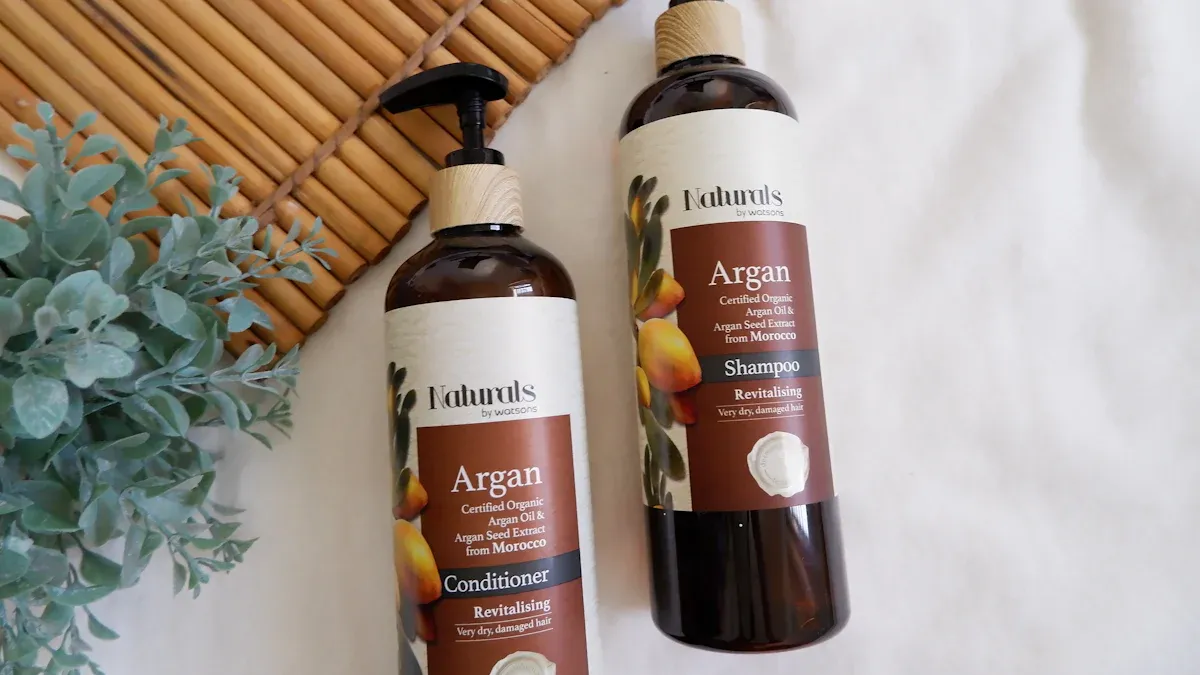
Choosing the right shampoo is essential for maintaining healthy hair. Each hair type has unique needs, and selecting a shampoo that matches those needs can make a significant difference. Here’s how to choose the right shampoo based on your hair type:
Shampoo for Oily Hair
If you have oily hair, you know how frustrating it can be to keep it looking fresh. Look for shampoos specifically designed for oily hair. These shampoos often contain clarifying formulas that deep-cleanse your scalp, removing excess oil and impurities without stripping essential moisture.
When selecting a shampoo for oily hair, consider these key ingredients:
Ingredients to Seek | Ingredients to Avoid |
|---|---|
Activated charcoal | Sulfates (SLS & SLES) |
Tea tree oil | Silicone (e.g., Dimethicone) |
Green tea | Heavy moisturizers |
Vinegar |
You want to choose shampoos labeled as “clarifying” or “purifying.” These products typically contain fewer hydrating agents, which helps prevent excess oil buildup. Ingredients like tea tree oil and salicylic acid can help regulate oil production, keeping your scalp clean and fresh.
Shampoo for Dry Hair
Dry hair needs extra care and moisture. When choosing a shampoo for dry hair, look for products that focus on hydration and nourishment. Ingredients like aloe vera, coconut oil, and hyaluronic acid are excellent choices. They help retain moisture and soothe the scalp.
Here’s a quick reference for effective ingredients:
Ingredient | Benefits |
|---|---|
Aloe Vera | Deeply moisturizes hair and soothes the scalp. |
Coconut Oil | Prevents protein loss and retains moisture. |
Panthenol | Strengthens hair and adds shine. |
Jojoba Oil | Nourishes hair follicles and prevents excessive dryness. |
Argan Oil | Promotes elasticity and repairs split ends. |
To maintain healthy hair, you might want to shampoo less frequently. Studies show that washing your hair too often can strip it of natural oils, leading to even drier hair. Instead, aim for two to three times a week, and always follow up with a good conditioner.
Shampoo for Color-Treated Hair
Color-treated hair requires special attention. To keep your color vibrant and your hair healthy, choose shampoos specifically formulated for color-treated hair. These shampoos are usually sulfate-free, which helps prevent color from fading.
Here are some best practices for maintaining color-treated hair:
Shampoo less frequently, ideally two to three times per week.
Wait at least 48 hours after coloring before shampooing to allow the color to set.
Use lukewarm or cooler water when shampooing to prevent color from leaching out.
Condition every time you shampoo, focusing on the tips of your hair.
Look for sulfate-free shampoos to avoid stripping moisture and color.
By following these tips and choosing the right shampoo, you can keep your color-treated hair looking vibrant and healthy.
Selecting the Right Conditioner
Conditioner plays a vital role in your hair care routine. After shampooing, it reintroduces moisture to your hair, fortifying and smoothing the hair follicles. This makes your hair more manageable and adds a healthy shine. Conditioners contain oils, nutrients, humectants, emollients, and surfactants. Humectants and emollients help make your hair soft and flexible by adding and locking in moisture. Surfactants cleanse your hair by removing oils. Choosing the right conditioner can significantly improve your hair’s health and appearance.
Rinse-Out Conditioners
Rinse-out conditioners are a staple in many hair care routines. They provide deep hydration, leaving your hair soft and manageable. These conditioners smooth down the hair cuticle, locking in moisture and adding shine. They also reduce frizz and help replenish lost hydration. If you have dry or damaged hair, a rinse-out conditioner can be particularly beneficial.
Here are some key benefits of using rinse-out conditioners:
They deliver intense moisture to your hair.
They help detangle hair, making it easier to comb through.
They can improve the overall texture of your hair.
Leave-In Conditioners
Leave-in conditioners are versatile and beneficial for all hair types—straight, wavy, curly, and coily. They provide long-lasting moisture and prevent damage. You can apply them to damp hair after washing, and they work throughout the day to keep your hair hydrated. Tailored formulas can enhance the overall appearance of your hair, with lightweight options for fine hair and richer formulas for thick or curly hair.
Consider these advantages of leave-in conditioners:
They offer extra protection against heat styling and environmental damage.
They help define curls and waves, enhancing your natural texture.
They can reduce frizz and improve manageability.
Deep Conditioning Treatments
Deep conditioning treatments are essential for maintaining optimal hair health. Most hair types should use a deep conditioning treatment once a week. However, if you have curly or damaged hair, you might need treatments more frequently—potentially twice a week. Individuals with straight hair may only need occasional deep conditioning due to better moisture retention.
Here’s a quick guide on how often to use deep conditioning treatments:
Once a week for most hair types.
Twice a week for curly or damaged hair.
Occasionally for straight hair, depending on moisture needs.
More frequently for longer hair due to exposure to environmental factors.
Less frequent for fine hair to avoid greasiness, while thick or coarse hair may need more frequent conditioning.
By selecting the right type of conditioner for your hair, you can address specific concerns like dryness, damage, or frizz. Here’s a quick reference table to help you choose:
Hair Type | Key Needs |
|---|---|
Fine | Lightweight moisture and nourishment; avoid heavy oils and silicones. |
Medium and thick | Richer in hydrating and smoothing ingredients to provide adequate moisture. |
Tight curls and coils | Hydration and slip to prevent breakage; ingredients that hydrate without altering curl patterns. |
Damaged hair | Reparative ingredients to retain moisture and fortify strands. |
Sensitive skin and scalp | Gentle, fragrance-free formulations that hydrate without irritation. |
Choosing the right conditioner is crucial for maintaining healthy hair. It not only enhances the look and feel of your hair but also supports its overall health.
Hair Treatments and Care Tips
Hair Masks
Hair masks are a fantastic way to give your hair an extra boost of moisture and nourishment. They can address specific issues like dryness, damage, or frizz. Here are some effective ingredients to look for in hair masks:
Almond oil: Moisturizes and softens hair while treating dry scalp conditions.
Coconut oil: Rich in proteins, it helps strengthen hair and moisturizes the scalp.
Honey: Adds moisture and shine, reducing breakage and frizz.
Using a hair mask once a week can significantly improve your hair’s health. For example, a banana mask made with ripe bananas, yogurt, and honey can help lock in moisture and enhance manageability.
Oils and Serums
Oils and serums serve different purposes in your hair care routine. Here’s a quick comparison:
Product Type | Benefits | Suitable Hair Types |
|---|---|---|
Hair Oils | Deep nourishment, hydration, scalp health | Dry, coarse, damaged hair |
Hair Serums | Frizz control, environmental protection, shine | Fine to medium hair |
Hair serums are lightweight and coat the hair surface, making them perfect for controlling frizz and protecting against heat. In contrast, hair oils penetrate deeply to nourish and repair, making them ideal for dry or coarse hair.
Tips for Healthy Hair Care Routine
To maintain healthy hair, consider these expert-recommended tips:
Give yourself a scalp massage: This encourages circulation and helps nutrients reach your hair follicles faster.
Add targeted treatments: Use nutrient-rich oils or hair density lotions to enhance your routine.
Get regular trims: Trimming every 4-8 weeks helps eliminate split ends and keeps your hair looking fresh.
Avoid damaging hairstyles: Steer clear of tight styles that can lead to breakage.
Let it air dry: Air drying prevents heat damage, which can lead to frizz.
By incorporating these treatments and tips into your routine, you can achieve and maintain healthy hair that looks and feels great.
In summary, understanding your hair type and needs is essential for effective hair care. By identifying your unique hair characteristics, you can choose the right shampoo, conditioner, and treatments that work best for you. Here are some key takeaways to keep in mind:
Takeaway | Explanation |
|---|---|
Identify Your Hair Type | Understanding your unique hair type and porosity is crucial for customizing an effective hair care routine that suits your specific needs. |
Establish a Daily Routine | Create a consistent daily hair care regimen that includes gentle cleansing, conditioning, and protection against environmental stressors for optimal health. |
Incorporate Weekly Treatments | Enhance your routine with weekly deep conditioning, clarifying, and scalp exfoliation treatments to address deeper issues and promote overall hair health. |
Customize Based on Hair Goals | Clearly define your hair goals (e.g., moisture, repair, growth) and adapt your routine accordingly, paying attention to seasonal changes and your hair’s feedback. |
Avoid Common Mistakes | Prevent pitfalls such as over-washing, product overload, and improper detangling to maintain hair health and achieve desired results. |
Experiment with different products and find what truly works for your hair. Remember, your hair deserves the best care!
FAQ
What should I look for in a shampoo?
When choosing a shampoo, consider your hair type and specific needs. Look for ingredients that address your concerns, like hydration for dry hair or clarifying agents for oily hair. Always opt for sulfate-free options if you have color-treated hair.
How often should I wash my hair?
Washing frequency depends on your hair type. Generally, aim for 2-3 times a week for dry or curly hair. Oily hair may require more frequent washing, while straight hair can often go longer between washes.
Can I use the same conditioner for different hair types?
While you can use the same conditioner, it’s best to choose one that suits your specific hair type. Different hair types have unique needs, so using a tailored conditioner can improve your hair’s health and appearance.
How do I know if my hair needs a deep conditioning treatment?
If your hair feels dry, brittle, or lacks shine, it likely needs a deep conditioning treatment. Signs of damage, like split ends or frizz, also indicate that your hair could benefit from extra moisture and nourishment.
Are hair masks necessary for healthy hair?
Hair masks aren’t strictly necessary, but they can significantly enhance your hair’s health. Using a mask once a week can provide extra hydration and repair, especially for dry or damaged hair. They help maintain softness and shine.