Taking care of your nails is more than just a beauty routine—it’s essential for your overall nail health. Did you know that healthy nails look shiny and smooth? Regular nail care, including proper cuticle care, plays a vital role in achieving that perfect look. When you prioritize your cuticles, you help your nails grow strong and prevent infections.
Different types of manicures can also influence your nail aesthetics. For instance, some manicures might enhance your look but could potentially harm your nails if not done correctly. Always consider how your choices affect both the beauty and health of your nails!
Key Takeaways
Healthy cuticles protect your nails from infections and promote strong growth. Prioritize cuticle care for beautiful nails.
Incorporate a regular cuticle care routine using tools like cuticle pushers and oils to maintain nail health.
Moisturize your nails and cuticles daily to prevent dryness and brittleness. Hydrated nails look and feel better.
Choose your manicure type wisely. Consider the health of your nails when opting for gel, acrylic, or standard polish.
Be aware of common nail problems and their solutions. Consult a professional if you notice persistent issues.
Cuticle Basics
Types of Cuticles
Cuticles are the thin layers of skin that cover the base of your nails. They play a crucial role in maintaining nail health. Here’s how:
Protection: Cuticles protect the new, soft keratin as it grows. They act as a barrier against bacteria, dirt, and debris, keeping your nails safe from infections.
Shielding Growth: The cuticle covers the tissue that generates new cells for nail growth. This safeguard ensures that the soft keratin remains unharmed as it emerges from the nail root.
Preventing Infections: Healthy cuticles serve as a protective barrier for your nails. If your cuticles become damaged, they can weaken this protection, increasing the risk of infections like paronychia. Bacteria can enter through damaged cuticles, potentially spreading to the nail and surrounding areas.
Taking care of your cuticles is essential for promoting nail growth. When you maintain healthy cuticles, you help your nails grow strong and beautiful. Neglecting cuticle care can lead to various problems, such as:
Open spaces that allow infections or irritations to develop.
Nail issues like ridges or white spots.
Bacterial infections that can hinder nail growth.
To keep your cuticles healthy, consider incorporating a regular cuticle care routine into your nail care regimen. Remember, healthy cuticles lead to healthier nails!
Cuticle Care
Tools for Cuticle Care
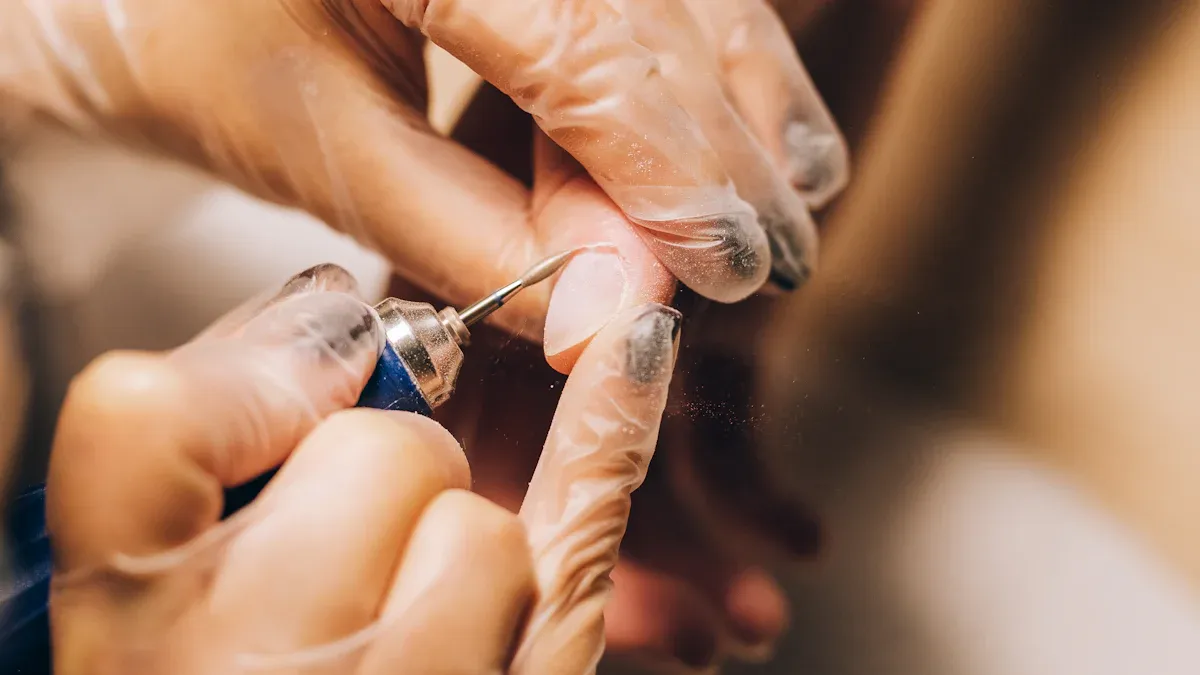
Taking care of your cuticles is essential for maintaining healthy nails. Here are some must-have tools for your cuticle care routine:
Cuticle Pusher: This tool gently pushes back the skin around your nails. A stainless-steel option works best for effectiveness.
Cuticle Oil: This nourishing oil softens and conditions your cuticles, enhancing their health. Regular use can keep your cuticles hydrated and prevent splits.
Cuticle Nippers: These are perfect for trimming excess cuticles that regular nail clippers can’t handle effectively.
Pre-Manicure Cuticle Care Routine
Before you dive into your manicure, follow these steps to prepare your cuticles:
Remove old polish and wash your hands: Start fresh by using a gentle nail polish remover. Opt for a non-acetone remover to avoid drying out your nails and cuticles. After removing the polish, wash your hands with soap and warm water to eliminate any residue.
Soften the cuticles (but don’t over-soak): Soaking your fingers in warm soapy water for a few minutes can help soften your cuticles. However, keep it brief—no more than 5 minutes. Over-soaking can cause your nails to swell, leading to peeling polish. Instead, consider using a cuticle softening cream or gel for a quicker option.
Gently push back the cuticles: Once softened, use your cuticle pusher to carefully push the cuticle skin back toward the base of the nail. This exposes more of the nail surface for polishing. Be gentle; if you feel resistance, stop to avoid injuring live skin.
Trim excess dead skin and hangnails (if necessary): After pushing back, you might notice some pale, dead cuticle skin. Use sharp cuticle nippers to trim away only the lifted bits of dead skin.
Lightly buff and clean the nail: Buff the nail surface near the cuticle to remove any remaining dead skin. Wipe your nails with a lint-free cloth soaked in rubbing alcohol to ensure they are clean and dry before applying polish.
Post-Manicure Cuticle Care Tips
After your manicure, it’s crucial to maintain your cuticle health. Here are some effective practices:
Rehydrate your cuticles and nails: After your manicure, replenish moisture to your cuticles and nails. This is especially important if they were dried out during the process.
Avoid intense water exposure for the first 24 hours: This helps prevent damage to your manicure and keeps your cuticles healthy.
Be gentle with your nails: Treat your nails with care to avoid chipping and stress, which can affect cuticle health.
Incorporating these cuticle care habits into your routine will help you achieve beautiful, healthy nails. Remember, using a nourishing cuticle oil regularly can significantly improve the appearance of your cuticles and promote nail growth.
Nail Health
Nail Types
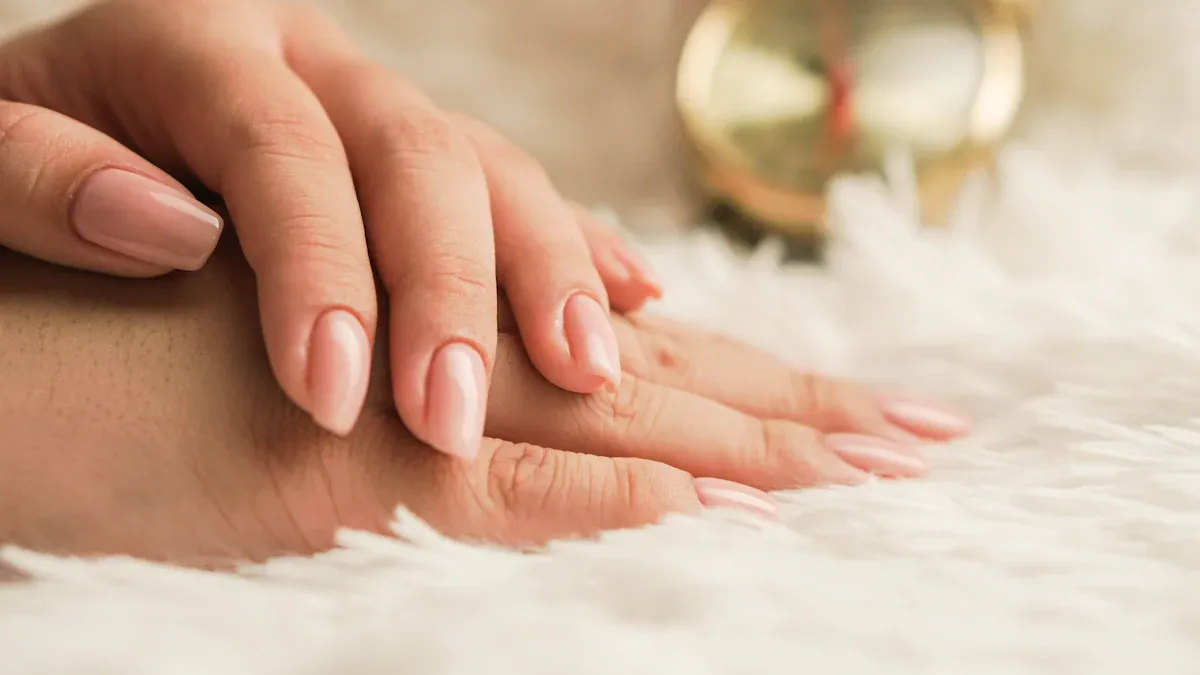
Maintaining healthy nails is essential for both aesthetics and overall well-being. You can achieve strong nails by adopting daily nail care habits. Here are some effective tips to keep your nails in top shape:
Moisturize Regularly: Use cuticle oil or hand cream daily to keep your nails and cuticles hydrated. This prevents dryness and brittleness.
Avoid Harsh Chemicals: Limit exposure to harsh cleaning products. Wear gloves when doing household chores to protect your nails.
Maintain a Balanced Diet: Eating foods rich in vitamins and minerals supports nail health. Focus on proteins, biotin, and omega-3 fatty acids.
Keep Nails Trimmed: Regularly trimming your nails helps prevent breakage and keeps them looking neat.
Limit Nail Polish Use: Give your nails a break from polish occasionally. This allows them to breathe and recover from any damage.
To further enhance your nail care routine, consider incorporating specific oils known for their benefits:
Ingredient | Benefits |
|---|---|
Sweet Almond Oil | Softens cuticles, prevents peeling, improves nail appearance. |
Jojoba Oil | Provides hydration, strengthens brittle nails. |
Shea Butter Oil | Nourishes and creates a protective barrier against dryness. |
Calendula Infusion | Soothes irritated skin and maintains healthier cuticles. |
Common Nail Problems and Solutions
Even with the best care, you might encounter some common nail issues. Here’s a rundown of these problems and how to tackle them effectively:
Nail Disorder | Description | Treatment Options |
|---|---|---|
Brittle Nail Syndrome | Nails that are weak and break easily. | Topical and systemic medications, patient education on nail care. |
Onychomycosis | Fungal infection of the nails. | Antifungal treatments, topical applications, and proper foot hygiene. |
Paronychia | Infection of the skin around the nails. | Antibiotics or antifungal treatments, depending on the cause. |
Nail Psoriasis | Inflammatory condition causing pitting and discoloration of nails. | Topical treatments, systemic medications, and phototherapy. |
Beau’s Lines | Indentations that run across the nails, indicating a health issue. | Addressing underlying health conditions, supportive care. |
Longitudinal Melanonychia | Dark streaks in the nail, which can indicate serious conditions. | Referral to a dermatologist for evaluation and possible biopsy. |
Onychomadesis | Shedding of the nail plate. | Treatment of underlying causes, supportive care. |
Retronychia | Inward growth of the nail. | Surgical intervention may be necessary in severe cases. |
If you suspect a nail problem, don’t hesitate to consult a healthcare professional. They can provide tailored advice and treatment options.
To combat fungal infections, you can try these home remedies:
Soak your feet in a mixture of one part vinegar to three parts warm water for 10 to 20 minutes to utilize its antifungal properties.
Dry your feet thoroughly and apply a topical antifungal treatment to all affected nails.
Consider using 100% tea tree oil or Vicks VapoRub for their antifungal effects.
Use a medicated lacquer available over-the-counter for additional treatment.
By following these tips and being aware of common nail issues, you can maintain healthy, strong nails that look great!
Manicure Options
When it comes to choosing a manicure, you have several options, each with its unique benefits and drawbacks. Let’s break down the most popular types: gel, acrylic, and standard manicures.
Type | Process | Look/Texture | Durability | Cost | Pros | Cons |
|---|---|---|---|---|---|---|
Gel Manicure | Thin layers of gel polish cured under UV/LED lamp | Smooth, shiny, glass-like | Very chip resistant for 2-4 weeks | $35-$60 salon | Very durable; 2-3 week wear | Expensive; requires maintenance |
Acrylics | Acrylic powder and liquid solutions sculpted into nail tips | Thick, durable | Very durable but can be brittle | $35-$60+ salon | Thick, long-lasting for nail biters | High maintenance; expensive |
Standard Polish | Regular nail polish air dries | Sheer to opaque coloring | Chips within days | $15-$25 salon | Quick; many color options | Chips very quickly |
Gel Manicure
Gel manicures involve applying gel polish in layers, which you cure under a UV or LED light. This method gives your nails a glossy finish that lasts longer than regular polish. However, you should be cautious. Clinical studies show that gel manicures can lead to immediate issues like cracking and peeling. If you don’t allow proper recovery time between manicures, your nails may become dry and brittle.
Acrylic Manicure
Acrylics are created by mixing a liquid monomer with a powder polymer, forming a hard substance shaped on your nails. While they offer a stylish look and can help lengthen short nails, they require careful application to avoid damaging your natural nails. Dermatologists warn that acrylics can lead to brittleness and increase the risk of infections if not maintained properly.
Standard Manicure
Standard manicures use regular nail polish that air dries. They are the most straightforward option and typically cost less. You can easily remove them at home, making them a favorite for those who prefer low-maintenance care. However, they chip quickly, often within a few days, which can be frustrating if you want a long-lasting look.
Taking care of your nails is essential for both beauty and health. A consistent nail care routine offers many benefits, such as:
Hygiene: Clean nails help prevent infections.
Strength: Regular care promotes new cell growth.
Moisturization: Hydrated cuticles keep nails flexible.
Protection: Limiting harsh chemicals prevents damage.
Avoiding Damage: Healthy habits protect your nails from injury.
Proper cuticle care is a key part of this routine. It creates a protective barrier that supports strong nail growth and enhances their appearance. When choosing a manicure, consider your nail health. Whether you opt for gel, acrylic, or standard polish, prioritize techniques that keep your nails safe and strong. Remember, healthy nails are beautiful nails!
FAQ
What are cuticles, and why are they important?
Cuticles are the thin layers of skin at the base of your nails. They protect the nail matrix, where new nail cells grow. Healthy cuticles help prevent infections and support strong nail growth.
How often should I moisturize my cuticles?
You should moisturize your cuticles daily. Using cuticle oil or hand cream keeps them hydrated and prevents dryness. Regular moisturizing promotes healthy nail growth and enhances the appearance of your nails.
Can I remove my cuticles completely?
It’s best not to remove your cuticles entirely. Doing so can expose your nails to infections. Instead, gently push them back and trim any excess dead skin to maintain their health.
How can I prevent nail breakage?
To prevent nail breakage, keep your nails trimmed and moisturized. Avoid harsh chemicals and wear gloves during chores. A balanced diet rich in vitamins and minerals also supports strong nails.
What should I do if I notice nail discoloration?
If you notice nail discoloration, it could indicate an underlying issue. Keep an eye on it, and if it persists or worsens, consult a healthcare professional for advice and treatment options.