Are you fascinated by the world of watches? Whether it’s the gleam of a luxury watch or the practicality of an affordable timepiece, there’s something for everyone. Luxury watches often symbolize status and craftsmanship, while affordable ones serve as reliable companions for everyday life. But what truly sets these two categories apart? Let’s dive into the details and discover the key differences.
Key Takeaways
Luxury watches showcase exceptional craftsmanship, featuring hand-assembled movements and high-quality materials that enhance their beauty and durability.
Affordable timepieces offer practicality and reliability, making them great choices for everyday use without the high price tag of luxury brands.
Consider the brand’s heritage and reputation when choosing a watch, as luxury brands often carry a rich history that adds to their value.
Luxury watches come with advanced features, known as complications, that enhance functionality, while affordable watches focus on basic timekeeping.
When selecting a watch, weigh factors like craftsmanship, materials, and brand prestige to find the best fit for your lifestyle and budget.
Craftsmanship of Luxury Watches
Attention to Detail
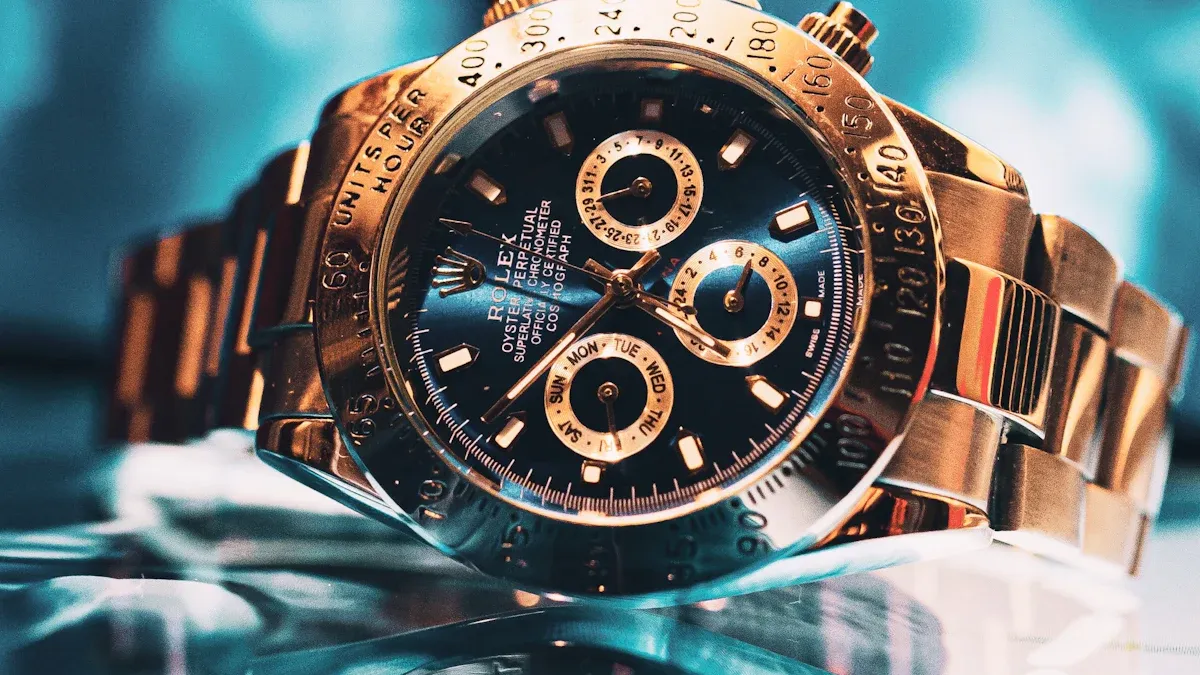
When you think about luxury watches, the first thing that often comes to mind is the incredible attention to detail. Each luxury watch is a masterpiece, crafted with precision and care. Here are some techniques that set these timepieces apart:
Hand-stamping and engraving methods add a touch of luxury to the watch’s design.
High-precision instruments, like CNC machines, ensure exact movement and accurate timekeeping.
Hand-assembled movements showcase the dedication and skill that go into creating premium watches.
This meticulous craftsmanship results in a watch that not only tells time but also tells a story. You can feel the passion and artistry in every piece, making luxury watches a true investment.
Handcrafted vs. Mass-Produced
Now, let’s compare handcrafted luxury watches with their mass-produced counterparts. Handcrafted luxury watches often undergo rigorous quality control processes. These processes adhere to ISO 9001 standards, ensuring that every watch meets high-quality benchmarks. Here’s what you can expect from the quality control of luxury watches:
All watches pass CE and ROHS certifications.
The QC system includes various stages: QC, IQC, IPQC, FQC, and QA.
Experienced QC staff utilize advanced machinery for inspections.
A total quality control management system ensures strict inspection before shipping.
In contrast, affordable timepieces often rely on mass production techniques. While they may serve their purpose well, they typically lack the same level of craftsmanship and attention to detail. You might find that these watches are made with less expensive materials and don’t undergo the same thorough quality checks.
In the end, the craftsmanship of luxury watches reflects a commitment to quality that you simply won’t find in most affordable timepieces. Whether you’re drawn to the artistry or the precision, luxury watches offer a unique experience that goes beyond just telling time.
Material Quality
Precious Metals and Alloys
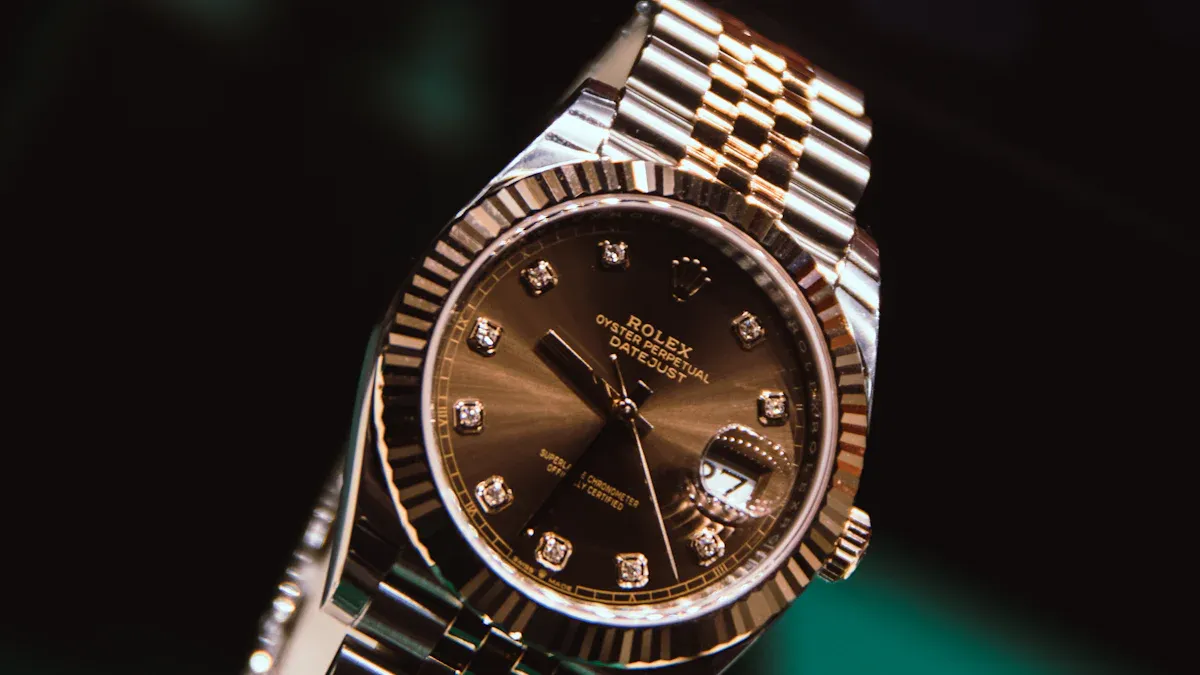
When it comes to luxury watches, the materials used play a huge role in their appeal and durability. High-quality watches often feature precious metals and unique alloys that not only look stunning but also stand the test of time. Here are some of the most common materials you’ll find in luxury timepieces:
Silver: Once a favorite for pocket watches, silver is beautiful but can tarnish over time.
Stainless Steel: This material is popular for its strength and polished look. Many high-end brands use it for their cases and bracelets.
Rolesium: A special blend of stainless steel and platinum, known for its elegance and durability, often seen in Rolex watches.
Magic Gold: Created by Hublot, this hard gold combines 75% pure gold with ceramic for added strength.
Ceragold: Omega uses this unique fusion of ceramic and 18K gold for decorative elements.
White Gold: An alloy that gives a modern twist, made from nickel, palladium, and silver.
Rose Gold & Everose Gold: These blends of gold and copper offer a warm hue, with Everose being a patented alloy by Rolex.
Platinum: A rare metal known for its durability and resistance to corrosion.
Titanium: Lightweight and strong, titanium is becoming increasingly popular in luxury watches for its comfort and performance.
These materials not only enhance the aesthetic appeal of luxury watches but also contribute to their durability. Luxury watches are crafted from high-grade materials that are significantly more expensive than the plastic and standard materials found in affordable timepieces. This difference in material quality affects both the look and longevity of the watch.
Affordable Materials
On the other hand, affordable watches often use more common materials that serve their purpose but lack the same level of sophistication. Here’s a quick comparison of materials typically found in affordable timepieces:
Plastic: Lightweight and inexpensive, plastic is often used in budget watches. While it’s functional, it doesn’t offer the same durability or prestige.
Standard Stainless Steel: While some affordable watches use stainless steel, it’s usually of a lower grade, which can affect its resistance to scratches and wear.
Synthetic Materials: Many affordable watches incorporate synthetic materials that mimic the look of more expensive options but don’t provide the same quality or longevity.
Material | Durability Features | Usage in Watches |
|---|---|---|
Titanium | Extremely strong, lightweight, hypoallergenic, and durable. Requires specialist tools for manufacturing. | Premium collections like MTG, MR-G |
COBARION® | Super-hard alloy, four times harder than titanium, scratch-resistant, maintains a dignified gleam. | MRG-B5000 series bezel |
Stainless Steel | Hard-wearing, protective, versatile, and stylish. Common in both luxury and affordable watches. | Entry-level and luxury watches |
While affordable watches can be reliable, they often lack the luxurious feel and durability of their high-quality counterparts. The materials used in luxury watches not only enhance their beauty but also ensure they last for generations.
The World Wildlife Fund Environmental Rating and Industry Report of 2018 reported that several Swiss luxury brands were not meeting good environmental standards. This highlights the significant environmental impact of the luxury watch sector, particularly due to the sourcing of raw materials like gold.
Functionality and Features
Complications in Luxury Watches
Luxury watches often come packed with advanced features known as complications. These complications enhance functionality and showcase the watchmaker’s skill. Here are some popular complications you might find in luxury watches:
Complication | Description |
|---|---|
Chronographs | Built-in stopwatches that blend precision and practicality, ideal for timing events and sports. |
Perpetual Calendars | Track date, day, month, and leap years without adjustment, ensuring accuracy for decades. |
Tourbillon | Rotates the escapement to combat gravity’s effects on accuracy, showcasing exceptional craftsmanship. |
Moonphase | Displays lunar phases, adding a poetic and artistic touch to the watch. |
Multi-Time Zones | Allows tracking of multiple time zones, perfect for travelers and global citizens. |
These features not only make luxury watches functional but also elevate them to a form of art. You can appreciate the intricate mechanics and the thought that goes into each design.
Basic Features in Affordable Timepieces
In contrast, affordable watches typically focus on basic functionalities. They often include essential features like:
Timekeeping: The primary function of any watch.
Date Display: A simple window showing the current date.
Water Resistance: Basic models may offer some level of water resistance, but it’s usually limited.
While these features serve their purpose, they lack the sophistication and innovation found in luxury watches. For example, the water resistance of affordable watches often falls short compared to luxury models. Here’s a quick comparison:
Watch Model | Water Resistance | Additional Features |
|---|---|---|
Seiko Prospex | 200 meters | Unidirectional rotating bezel, Lumibrite coating |
TUDOR Pelagos | 500 meters | Titanium case, ceramic bezel, luminous markers |
When it comes to maintenance, luxury watches require regular servicing to maintain their quality and value. You might find that the costs range from $150 to $2,500, depending on the brand and complexity. On the other hand, affordable watches may have lower maintenance costs, but servicing can sometimes exceed the watch’s worth.
Brand Value and Prestige
Heritage and Reputation
When you think about luxury watches, brand reputation plays a huge role in their allure. Brands like Rolex and Omega have built their names over decades, often through a rich history of craftsmanship and innovation. Heritage enhances the perceived value of these timepieces. As Stéphane Belmont, director of brand heritage for Jaeger-LeCoultre, puts it, “Heritage is particularly essential in the luxury segment since history, tradition, and savoir faire are key for the credibility of the brand.” This connection to the past gives luxury watches a narrative that resonates with you as a consumer.
Luxury brands also maintain their reputation through regular servicing. For instance, Rolex emphasizes the importance of keeping their watches in top shape. This not only ensures optimal performance but also preserves the watch’s long-term value. When you invest in a luxury watch, you’re not just buying a timepiece; you’re acquiring a piece of history.
Marketing Influence
Marketing strategies significantly impact how you perceive both luxury and affordable watches. Luxury brands often spend heavily on advertising to create a prestigious image. For example, Rolex spent around $56 million on marketing, which is over 10% of the total watch market expenditure in the U.S. This investment helps them maintain a strong presence and appeal to affluent consumers.
Affordable watch brands, on the other hand, typically have smaller marketing budgets. They focus on functionality and style, appealing to budget-conscious buyers. While they may not have the same level of prestige, they still attract customers by offering trendy designs at accessible prices.
Here’s a quick look at the average price ranges for some popular brands:
Brand | Average Price Range |
|---|---|
Omega | $3,000 – $10,000 |
TAG Heuer | $1,500 – $5,000 |
Tissot | $250 – $1,500 |
Seiko | $200 – $3,000 |
In summary, luxury watches and affordable timepieces each offer distinct advantages. Luxury watches boast exceptional craftsmanship, high-quality materials, and advanced features. They often symbolize status and success, serving as visible ornaments that reflect your taste and personality. On the other hand, affordable watches provide practicality and reliability without breaking the bank.
When choosing a watch, consider factors like movement type, materials, size, brand reputation, and resale value. Ultimately, whether you lean towards luxury or affordability, both types of watches can meet your needs and style. So, what will you choose?
FAQ
What defines a luxury watch?
A luxury watch is typically characterized by high-quality craftsmanship, premium materials, and advanced features. These watches often come from well-known brands with a rich heritage, making them symbols of status and prestige.
Are affordable watches worth buying?
Absolutely! Affordable watches offer practicality and reliability. They provide essential timekeeping functions without the hefty price tag. If you need a dependable everyday watch, an affordable timepiece can be a great choice.
How do I choose between luxury and affordable watches?
Consider your lifestyle and budget. If you value craftsmanship and brand prestige, a luxury watch may suit you. If you prefer functionality and style without overspending, an affordable watch is a smart option.
Do luxury watches hold their value?
Yes, many luxury watches can retain or even increase in value over time. Factors like brand reputation, rarity, and condition play a significant role in determining resale value.
How often should I service my watch?
For luxury watches, regular servicing every 3 to 5 years is recommended to maintain performance and value. Affordable watches may require less frequent maintenance, depending on usage and brand.