Jewelry has always captivated hearts with its beauty and significance throughout history. From ancient adornments to contemporary designs, jewelry reflects cultural shifts and personal stories. You might wonder what sets vintage vs modern jewelry apart. Vintage jewelry typically ranges from 20 to 100 years old, showcasing unique craftsmanship and historical context. In contrast, modern jewelry embraces current trends and materials. How do these design eras influence style and value? What makes a piece collectible? Let’s explore these intriguing distinctions together.
Key Takeaways
Vintage jewelry is at least 20 years old and showcases unique craftsmanship and historical significance.
Modern jewelry reflects current trends, often using innovative materials and advanced techniques for design.
Each jewelry era, from Victorian to Art Deco, has distinct characteristics that influence modern styles and trends.
Collecting vintage jewelry is eco-friendly and allows you to own pieces with rich stories and craftsmanship.
Modern jewelry emphasizes personalization and sustainability, appealing to today’s consumers.
Vintage vs Modern Definitions
Characteristics of Vintage Jewelry
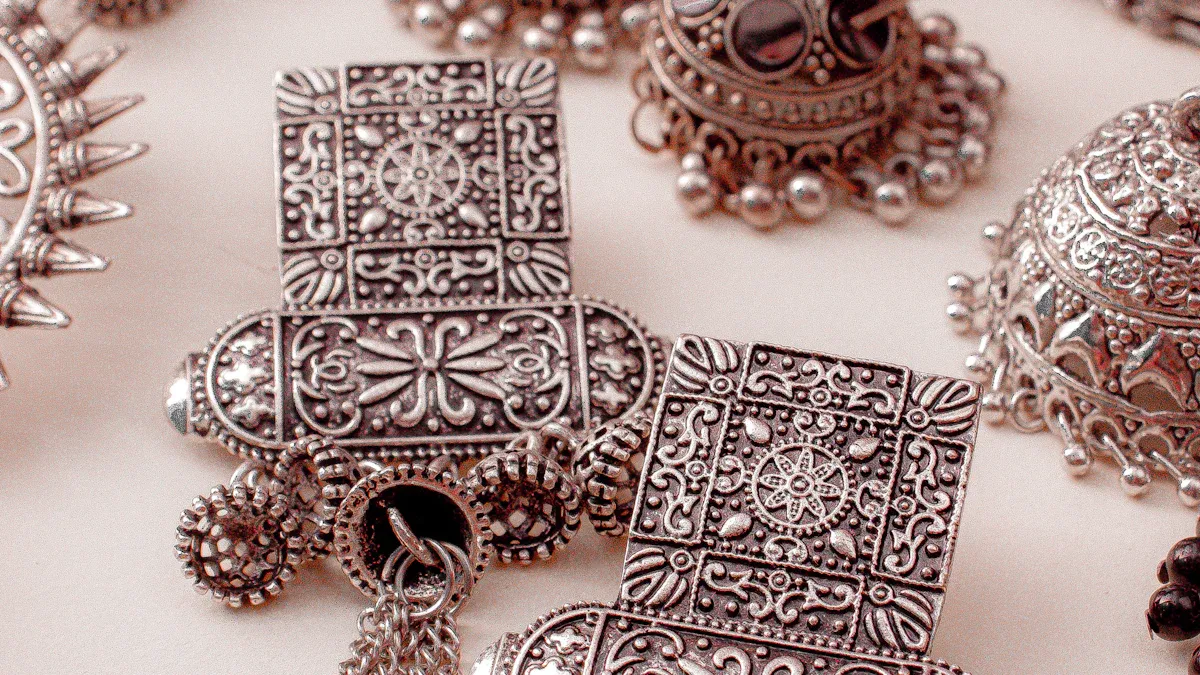
Vintage jewelry typically includes pieces that are at least 20 years old. You can often find these items rich in history and craftsmanship. Here are some defining characteristics of vintage jewelry:
Unique Craftsmanship: Vintage pieces often showcase meticulous handwork. Jewelers used techniques like filigree and engraving, which add intricate details to each item.
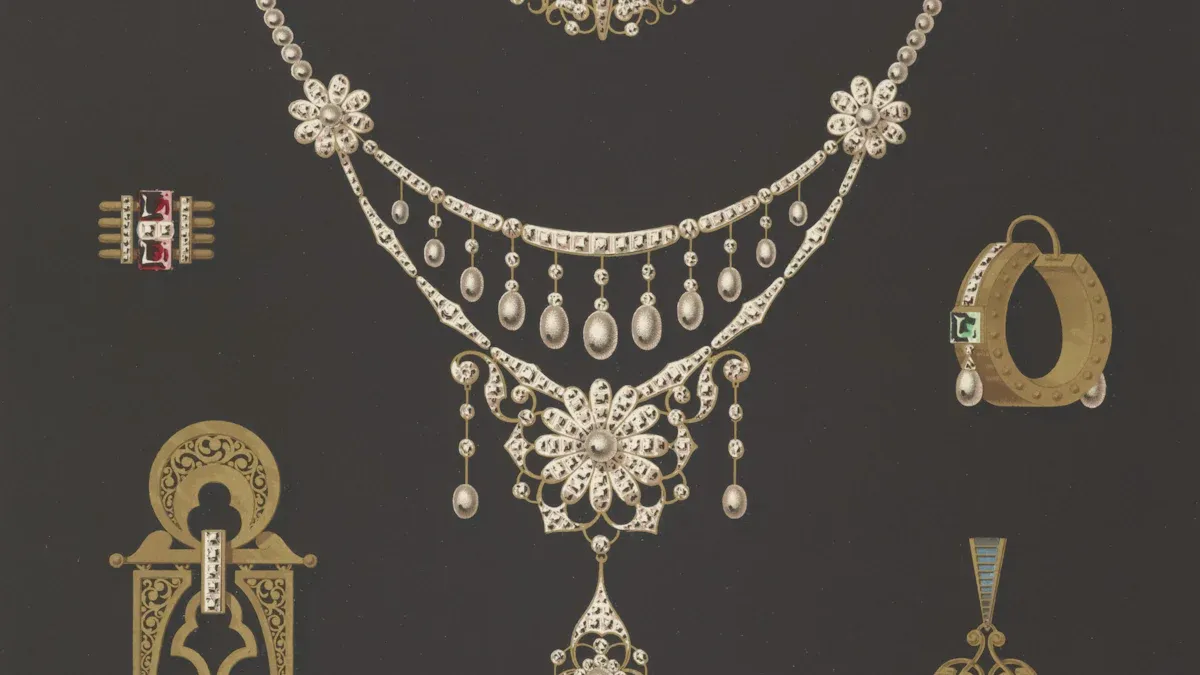
Historical Significance: Each piece tells a story, reflecting the era it comes from. For example, Victorian jewelry features sentimental motifs, while Art Deco pieces emphasize geometric designs.
Materials: Vintage jewelry often uses heavier metals and hand-cut gemstones. Common materials include yellow gold, rose gold, and platinum, which contribute to the piece’s weight and durability.
Design Elements: Vintage styles vary by era. For instance, the Edwardian era is known for delicate aesthetics, while the Retro era features bold, colorful designs.
Era | Defining Features |
|---|---|
Victorian | Characterized by sentimentality, symbolism, and motifs like animals, plants, and flowers. Popular pieces included snake rings, cluster rings, and lockets, with a preference for colorful gemstones and birthstones. |
Art Nouveau | Featured whiplash curves and organic shapes, inspired by nature. Common motifs included creatures like dragonflies and butterflies, with techniques like ‘plique-a-jour’ enameling allowing light to shine through. |
Edwardian | Known for delicate designs influenced by the Court of Versailles and advances in platinum fabrication. Featured techniques like millegraining and popular colored gemstones such as amethyst and turquoise. |
Art Deco | Emphasized geometric modernism with bold designs, pavé settings, and motifs inspired by ancient cultures, reflecting a cultural boom post-World War I. |
Retro | Defined by Hollywood glamour, featuring multi-colored gold jewelry and large fun-colored gemstones. Figurative brooches and charm bracelets were popular during this era. |
Mid-century | Marked by opulence and optimism, with large gemstone ear clips and whimsical figurative brooches. Influenced by space themes, showcasing motifs like sunbursts and rockets, and a resurgence of diamond engagement rings post-World War II. |
Characteristics of Modern Jewelry
Modern jewelry represents contemporary designs that reflect current trends and consumer preferences. Here are some key characteristics of modern jewelry:
Innovative Materials: Modern pieces often use a mix of precious and synthetic materials. This allows for lighter designs and innovative combinations that appeal to a broader audience.
Advanced Craftsmanship: Modern jewelry benefits from technological advancements. Techniques like CAD (Computer-Aided Design) and laser precision allow for intricate designs that were not possible in the past.
Design Aesthetics: You will notice clean lines and bold geometry in modern jewelry. The focus often shifts towards minimalism, making pieces versatile for everyday wear.
Personalization: Many modern pieces offer customization options, allowing you to create unique jewelry that reflects your personal style.
Aspect | Vintage Jewelry | Modern Jewelry |
|---|---|---|
Craftsmanship | Meticulous handwork with techniques like filigree | Advanced technologies like CAD and laser precision |
Materials | Heavier metals, hand-cut gemstones | Lighter designs, innovative combinations of materials |
Design Aesthetics | Ornate patterns and intricate details | Clean lines and bold geometry |
Understanding the differences between vintage vs modern jewelry helps you appreciate the craftsmanship and history behind each piece. Whether you prefer the nostalgia of vintage or the sleekness of modern designs, both styles offer unique beauty and value.
Jewelry Eras and Their Influence
Notable Vintage Eras
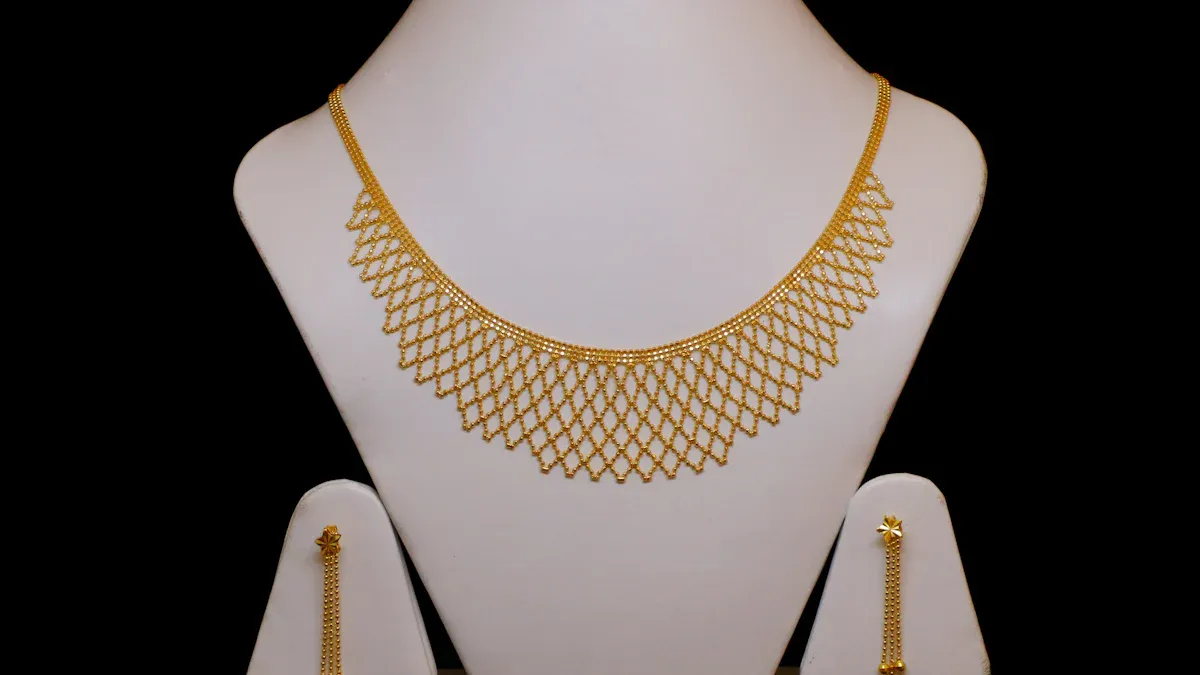
Different jewelry eras have left a lasting impact on design and style. Each era reflects the cultural and artistic movements of its time. Here are some notable vintage eras and their influences:
Era | Characteristics | Influence on Jewelry Design |
|---|---|---|
Ancient Civilizations | Jewelry symbolized wealth and spirituality, showcasing techniques like filigree and inlay work. | Set the foundation for craftsmanship and the symbolic use of jewelry in society. |
Renaissance | Featured intricate craftsmanship, precious metals, and themes from mythology and religion. | Revived classical styles and techniques, influencing the aesthetic of later jewelry designs. |
Art Nouveau | Emphasized flowing lines and organic shapes, focusing on nature and innovative materials. | Introduced a new artistic approach, moving away from industrial designs to more artistic expressions. |
These eras shaped the evolution of jewelry design, influencing modern styles. For example, the intricate details of Victorian jewelry inspire contemporary pieces that celebrate craftsmanship. The flowing lines of Art Nouveau can be seen in modern designs that prioritize organic shapes.
Modern Design Trends
Modern jewelry reflects current trends and consumer preferences. You will notice several key trends shaping today’s jewelry landscape:
Minimalism: This trend features thin chains and small studs. It highlights the wearer’s features without overwhelming them.
Bold Statement Pieces: These pieces emerged prominently in the early 2020s. They are favored for their visibility in virtual interactions.
Vintage Styles: A resurgence of vintage and antique pieces appeals to consumers for their uniqueness and storytelling aspect.
Personalization: Many consumers desire jewelry that reflects their personal stories and individuality.
Sustainability: Modern consumers increasingly value sustainable materials and ethical sourcing in their jewelry choices.
The evolution of jewelry trends reflects the changing landscapes of fashion, culture, and society. Each piece tells a story that connects to its time. For instance, the Arts & Crafts Movement emphasized handcrafted work, contrasting with the mass production of the Victorian era. This movement reshaped artistic trends and highlighted the importance of craftsmanship.
Cultural influences also play a significant role in modern design. Jewelry designers often draw inspiration from past eras, incorporating motifs and techniques into contemporary pieces. For example, modern jewelers revive mourning rings and floral designs from the Victorian era. This blending of styles creates a unique fusion that resonates with today’s consumers.
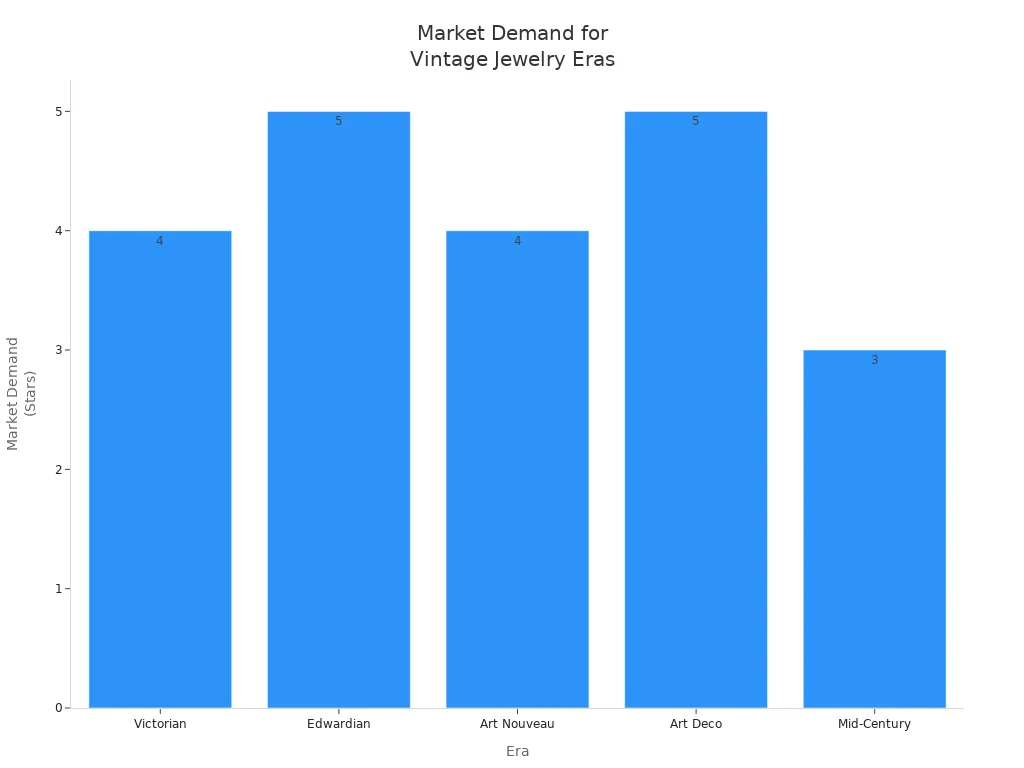
Understanding the differences between vintage and modern jewelry enhances your appreciation for each style. Vintage jewelry often features unique craftsmanship and high-quality materials. Each piece carries a story, making it an instant heirloom. Collecting vintage jewelry is also eco-friendly, as it avoids the environmental impact of new mining.
Modern jewelry, on the other hand, reflects current trends and innovative designs. Both styles offer beauty and value. Whether you prefer the nostalgia of vintage or the sleekness of modern designs, each piece has its own charm. Embrace the craftsmanship and history behind your jewelry choices.
FAQ
What is estate jewelry?
Estate jewelry refers to pieces that have been previously owned. These items can be vintage or modern, often showcasing unique designs and craftsmanship.
How can I identify vintage jewelry?
You can identify vintage jewelry by its age, typically ranging from 20 to 100 years. Look for unique craftsmanship, historical design elements, and quality materials.
Is estate jewelry a good investment?
Yes, estate jewelry can be a good investment. Many pieces appreciate in value over time, especially those with historical significance or unique designs.
How do I care for my vintage jewelry?
To care for vintage jewelry, store it in a cool, dry place. Clean it gently with a soft cloth and avoid harsh chemicals to preserve its beauty.
Where can I buy estate jewelry?
You can buy estate jewelry at antique shops, estate sales, and online marketplaces. Always verify the authenticity and condition before purchasing.