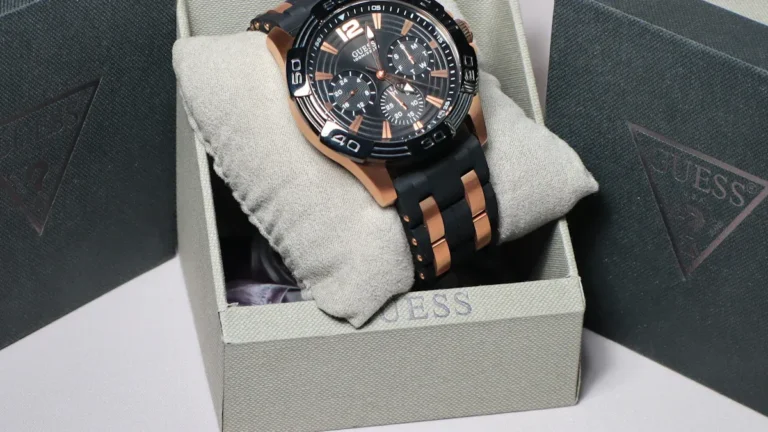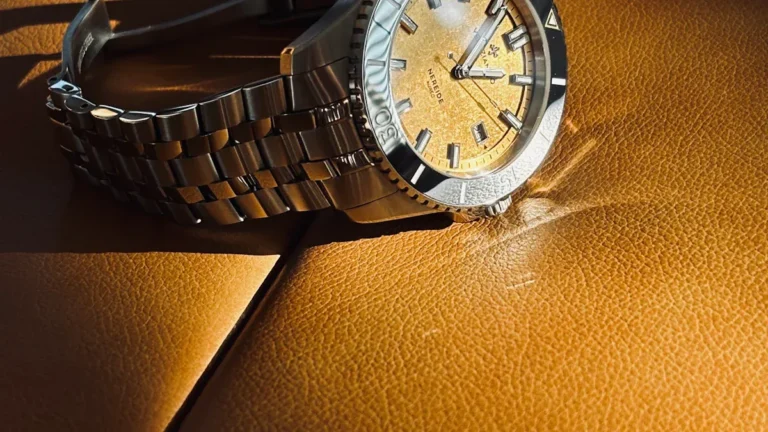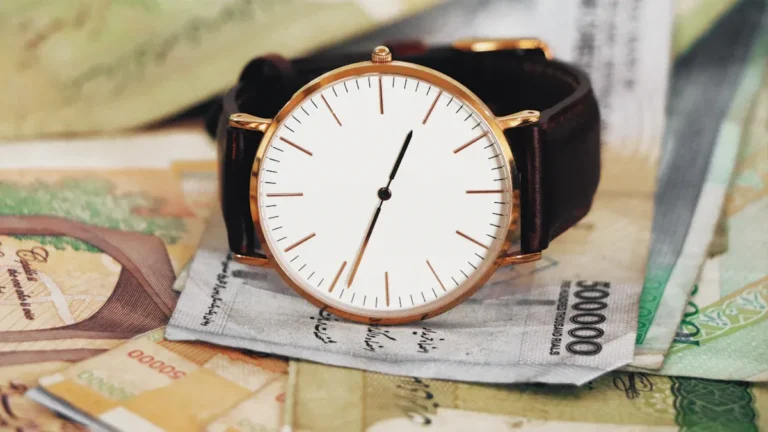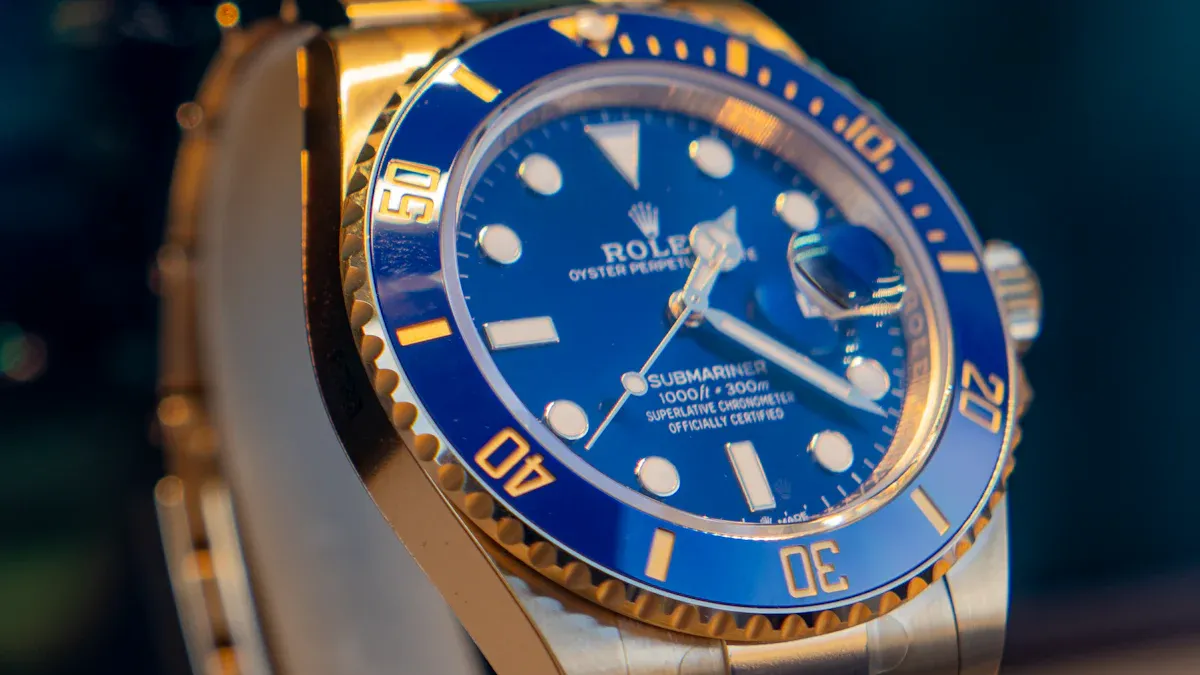
Watches have long been more than just timekeepers; they serve as expressions of style and identity. In recent years, the watch market has evolved significantly, particularly in the context of men’s vs women’s watches. For instance, men’s watches held about 76.05% of the market share in 2024, while women’s watches accounted for around 25%. Interestingly, the women’s segment is set to grow at a compound annual growth rate of 5.0% from 2025 to 2033. This shift highlights the increasing interest from women in watches, driven by brands expanding their collections to cater specifically to female consumers, thus bridging the gap in the men’s vs women’s watches debate.
Key Takeaways
Men’s watches typically have larger case sizes, ranging from 36 mm to 46 mm, while women’s watches are smaller, measuring between 26 mm and 37 mm.
Designs for men’s watches often feature darker colors and minimalistic styles, whereas women’s watches embrace a variety of colors and decorative elements.
When choosing a watch, consider the occasion: casual watches suit everyday wear, while formal watches complement elegant attire.
Many brands now offer unisex watches, allowing for a broader selection that appeals to all genders.
Understanding the differences in features and styles helps you select a watch that reflects your personal taste and lifestyle.
History of Watches
Evolution of Men’s Watches
Men’s watches have undergone significant changes since their inception. Initially, men primarily used pocket watches until the early 20th century. The introduction of wristwatches during World War I marked a pivotal moment. Soldiers found wristwatches practical for synchronization in combat. This necessity transformed wristwatches from novelties into essential tools.
Here are some key milestones in the evolution of men’s watches:
Year | Milestone Description |
|---|---|
1917 | Hamilton introduced its first wristwatch, designed for men entering World War One. |
1926 | Rolex developed the first waterproof watch, the Oyster, which was tested by swimmer Mercedes Gleitze. |
1931 | The Jaeger-LeCoultre Reverso was released, designed to withstand damage during polo matches. |
1941 | Wristwatches became essential military equipment as the US joined World War Two. |
1944 | The A-11 watch was created, known as the ‘watch that won the war’ for its durability and accuracy. |
The transition of wristwatches from military tools to fashionable accessories began in the early 1900s. Iconic models like the Cartier Santos, designed for pilots, combined functionality with elegance. This shift influenced future designs, leading to a focus on style alongside practicality.
Evolution of Women’s Watches
Women’s watches have also evolved significantly over the years. In the late 19th and early 20th centuries, social changes prompted a demand for practical timepieces. As more women entered the workforce, they sought watches that matched their active lifestyles.
Key influences on women’s watches include:
The 1920s saw the Art Deco movement inspire slimmer, geometrically styled watches that symbolized sophistication.
The 1960s and 1970s featured avant-garde styles and new materials, reflecting women’s evolving roles in society.
The introduction of quartz technology in the 1970s revolutionized the industry, allowing for more accurate and diverse designs.
These developments highlight how women’s watches transitioned from simple timepieces to stylish accessories that reflect personal identity and social status.
Size Differences in Men’s vs Women’s Watches
Case Size Comparison
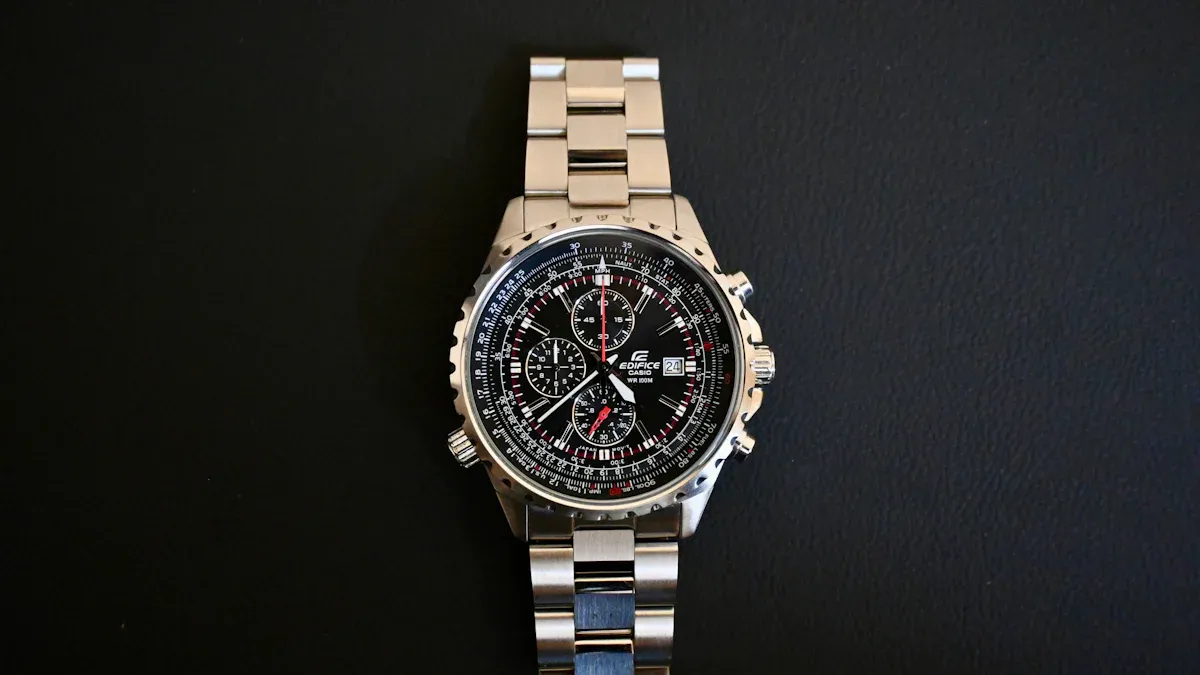
When selecting the right size watch, understanding case size is crucial. Men’s watches typically feature larger case sizes compared to women’s watches. The average case diameter for men’s watches ranges from 36 mm to 46 mm, while women’s watches usually measure between 26 mm and 37 mm. Here’s a quick comparison:
Category | Average Case Diameter |
|---|---|
Men’s Watches | 36 mm – 46 mm |
Women’s Watches | 26 mm – 37 mm |
Historically, men’s watches averaged around 36 mm, while women’s watches averaged 26 mm. Current trends show that men’s watches can reach up to 41 mm, and women’s watches can go up to 28 mm. This shift reflects a growing preference for larger styles among both genders.
In addition to diameter, case thickness also varies. Men’s watches typically range from 10 mm to 14 mm in thickness, often associated with sportier or more robust styles. In contrast, women’s watches usually measure between 8 mm and 12 mm, aligning with thinner, more formal designs.
Strap Length and Fit
Strap length is another important factor when considering size differences in watches. Men’s watch bands generally match the width of the watch case, with common widths ranging from 18 mm to 22 mm. In contrast, women’s watch bands are typically narrower, measuring between 14 mm and 16 mm.
Here’s a breakdown of standard strap lengths:
Strap Length | Wrist Size Range |
|---|---|
Short | Under 6.5 inches |
Standard | 6.5 to 7.5 inches |
Long | Over 7.5 inches |
When selecting the right watch size, consider your wrist size. A well-fitted watch should sit comfortably on your wrist without being too tight or too loose.
Design and Style Differences
Aesthetic Elements
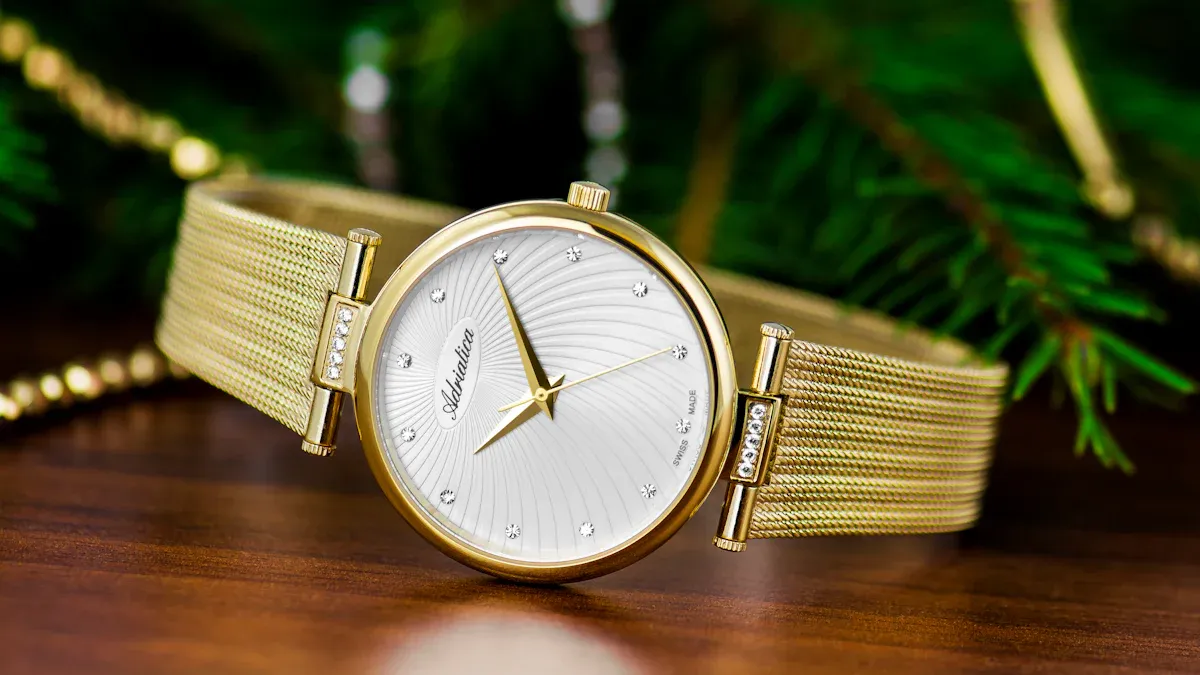
When you explore the aesthetic choices in men’s vs women’s watches, you’ll notice distinct differences. Men’s watches often feature darker tones, such as black, blue, and silver. These colors convey a sense of strength and sophistication. In contrast, women’s watches embrace a wider variety of colors. You might find pastels, jewel tones, and vibrant hues that reflect personal style and flair.
Here’s a quick comparison of common color palettes and materials used in men’s and women’s watches:
Gender | Common Color Palettes | Materials Used |
|---|---|---|
Men’s | Typically darker tones, such as black, blue, and silver | Stainless steel, leather, and minimalistic designs |
Women’s | A wider variety including pastels, jewel tones, and vibrant hues | Precious metals like gold and rose gold, ceramic, and mother-of-pearl |
This table highlights how the choice of colors and materials plays a significant role in defining the overall style of each gender’s watches.
Decorative Features
The decorative features of watches also differ significantly between men’s and women’s styles. Men’s watches typically emphasize functionality and robust design. They often use traditional materials like silver and gold, focusing on durability and precision. You’ll find that many men’s watches have clean lines and minimal embellishments, which enhance their masculine appeal.
On the other hand, women’s watches often showcase elegance and artistry. They incorporate a wider range of colors and frequently feature gemstone embellishments. These embellishments enhance the delicate craftsmanship of women’s watches. Here are some common characteristics of gemstones used in women’s watches:
Gemstones in women’s watches often include various cuts like Baguette and Round Brilliant, which are used for decorative purposes.
Baguette cuts are ideal for watch bezels and cases, while Round Brilliant cuts are commonly associated with classic diamond shapes.
Women’s watches frequently utilize pavé settings to create a glittering surface, enhancing their visual appeal.
Cultural perceptions also influence the design of watches. Different cultures create diverse styles and variations in watch aesthetics. Historically, women’s wristwatches predated men’s in mainstream fashion. Early Rolex models for women were designed with the same precision as men’s watches. Today, decision-makers recognize the importance of designing watches specifically for women, leading to a demand for styles that are not just adaptations of men’s designs.
In recent years, marketing strategies have shifted to cater to female consumers. Brands like Breitling now focus on directly appealing to women, while others, such as Zenith, are eliminating gender-specific labels. This change reflects the growing significance of female consumers in the watch industry.
By understanding these design and style differences, you can make more informed choices when selecting a watch that suits your personal taste and lifestyle.
Functional Differences in Watches
Features and Complications
When you look at men’s vs women’s watches, you will notice distinct features and complications. Men’s watches often include advanced functionalities. Common features found in men’s watches are:
Date display
Perpetual calendar
Power reserve
Minute repeater
Tourbillon
Moon phases
GMT function
These features enhance the watch’s utility and appeal to those who appreciate intricate designs. You might find that men’s watches often serve as tools for measuring time with precision.
In contrast, women’s watches tend to focus more on elegance and style. While some women’s watches include features like date displays, they often prioritize aesthetics over complex functionalities. Many women prefer watches that complement their outfits, such as a stylish dress watch or a chic dive watch.
Durability and Water Resistance
Durability is another key factor when comparing men’s and women’s watches. Men’s watches often emphasize ruggedness. Many models are designed for outdoor activities, making them suitable for sports or adventure. You will find that dive watches, for example, offer high water resistance, allowing you to wear them while swimming or diving.
On the other hand, women’s watches may not always focus on extreme durability. However, many brands now offer stylish options that also provide decent water resistance. This means you can enjoy a comfortable fit without sacrificing style. Whether you choose a field watch or a pilot watch, ensure it meets your needs for both durability and comfort.
Occasions for Wearing Watches
Casual vs Formal
When choosing a watch, consider the occasion. Casual watches suit everyday wear. They often feature relaxed designs and vibrant colors. You can wear these watches during outings with friends or while running errands.
In contrast, formal watches complement elegant attire. These watches typically have a sleek design and subtle colors. You might wear them to business meetings, weddings, or formal dinners. A classic dress watch can elevate your outfit and make a strong impression.
Sporty vs Elegant
Sporty watches focus on functionality and durability. They often feature bold designs and vibrant colors. You can find sporty watches with features like water resistance and shockproof cases. These watches are perfect for outdoor activities, workouts, or casual outings.
Elegant watches, on the other hand, emphasize style and sophistication. They often showcase delicate designs and refined materials. For example, the Dragonfly™ watch combines practical features with a softer, feminine design, emphasizing both style and functionality. Elegant watches are ideal for special occasions or when you want to make a statement.
Here’s a quick comparison of sporty men’s watches and elegant women’s watches:
Feature | Sporty Men’s Watches | Elegant Women’s Watches |
|---|---|---|
Style | Bold and functional | Simple and elegant |
Color Palette | Vibrant and varied | Subtle and classic |
Design Elements | Robust materials, often with sporty features | Delicate refinements, focusing on aesthetics |
By understanding the differences between casual, formal, sporty, and elegant watches, you can choose the right timepiece for any occasion. Whether you prefer a rugged watch for adventure or a sophisticated one for formal events, the right watch enhances your style and complements your lifestyle.
Popular Brands and Pricing
Men’s Watch Brands
When it comes to men’s watches, several brands stand out for their prestige and quality. Here are some of the most respected names in the industry:
Rolex
Cartier
Omega
Audemars Piguet
Patek Philippe
Richard Mille
Longines
Vacheron Constantin
Breitling
Tissot
Among these, Patek Philippe is particularly noteworthy. In 2024, they sold approximately 72,000 watches, generating around $2.3 billion in sales. This brand holds about 7% of the market share, showcasing its strong presence in the luxury watch segment. Patek Philippe is renowned for iconic models like the Calatrava, Nautilus, and Aquanaut, which exemplify luxury and sophistication.
Here’s a look at the average price ranges for leading men’s watch brands:
Brand | Average Price Range |
|---|---|
Nomos Glashütte | $1,900+ |
Omega | $2,000+ |
Grand Seiko | $2,200+ |
Breitling | $4,200+ |
Panerai | $4,300+ |
Rolex | $5,000+ |
Women’s Watch Brands
For women, several brands have gained popularity due to their stylish designs and functionality. One standout is Michael Kors. This brand offers a variety of styles, including stainless-steel watches, rose gold-tone designs, leather strap watches, smartwatches, and pavé-embellished pieces. These watches combine elegance with practicality, appealing to a wide range of consumers.
Other notable brands for women’s watches include:
Fossil
Seiko
Citizen
TAG Heuer
Gucci
These brands focus on creating timepieces that not only tell time but also enhance personal style.
By understanding the leading brands and their pricing, you can make informed decisions when selecting your next watch.
In summary, understanding the differences between men’s and women’s watches helps you make informed choices. Here’s a quick comparison of key features:
Feature | Men’s Watches | Women’s Watches |
|---|---|---|
Design | Simplicity, masculinity, darker hues | Elegant artistry, pastel tones, gemstone embellishments |
Size | Larger case diameter (38-46 mm), thicker (7-9 mm) | Smaller case diameter (26-36 mm), sleeker (5-7 mm) |
Strap Material | Sturdy materials like stainless steel and heavy-duty leather | Delicate materials like ceramics and fabrics, often with embellishments |
Aesthetics | Bold designs, functionality-focused | Intricate detailing, artistic elements |
By considering these aspects, you can select a watch that reflects your style and meets your needs.
FAQ
What is the main difference between men’s and women’s watches?
Men’s watches usually feature larger case sizes and bolder designs. Women’s watches often have smaller cases and more decorative elements, focusing on elegance and style.
Can women wear men’s watches?
Absolutely! Women can wear men’s watches if they prefer the style or size. Many women enjoy the bold look of larger timepieces.
Are there unisex watches available?
Yes, many brands offer unisex watches. These designs cater to all genders, featuring neutral colors and sizes that appeal to a broader audience.
How do I choose the right watch size?
To choose the right watch size, measure your wrist. Consider the case diameter and strap length. A well-fitted watch should sit comfortably without being too tight or loose.
What features should I look for in a watch?
Look for features that match your lifestyle. If you need durability, consider water resistance and shockproof designs. For style, focus on aesthetics and materials that suit your taste.