Choosing the right watch matters more than you might think. A well-selected watch can elevate your outfit and reflect your personality. Here’s why it’s essential to choose the right watch:
Wearing a watch can exude confidence and maturity.
It shows comfort with traditional style, appealing to a balanced individual.
In professional settings, it enhances your image and signals your value for time management.
When you decide to choose the right watch, remember that it not only tells time; it tells a story about you. So, let’s explore how to find the perfect watch for any occasion!
Key Takeaways
Choose the right watch style for each occasion to enhance your outfit and reflect your personality.
Dress watches are ideal for formal events; look for slim profiles and quality materials.
Casual watches should be versatile and comfortable, allowing for personal expression in everyday settings.
Accessorize your watch to transition smoothly between formal and casual occasions, using metal or leather straps.
Consider seasonal styles and functionalities, like smartwatches, to adapt your watch to different events.
Choose the Right Watch Style
When you choose the right watch, style plays a crucial role. Different occasions call for different types of watches. Let’s break down the main styles you should consider.
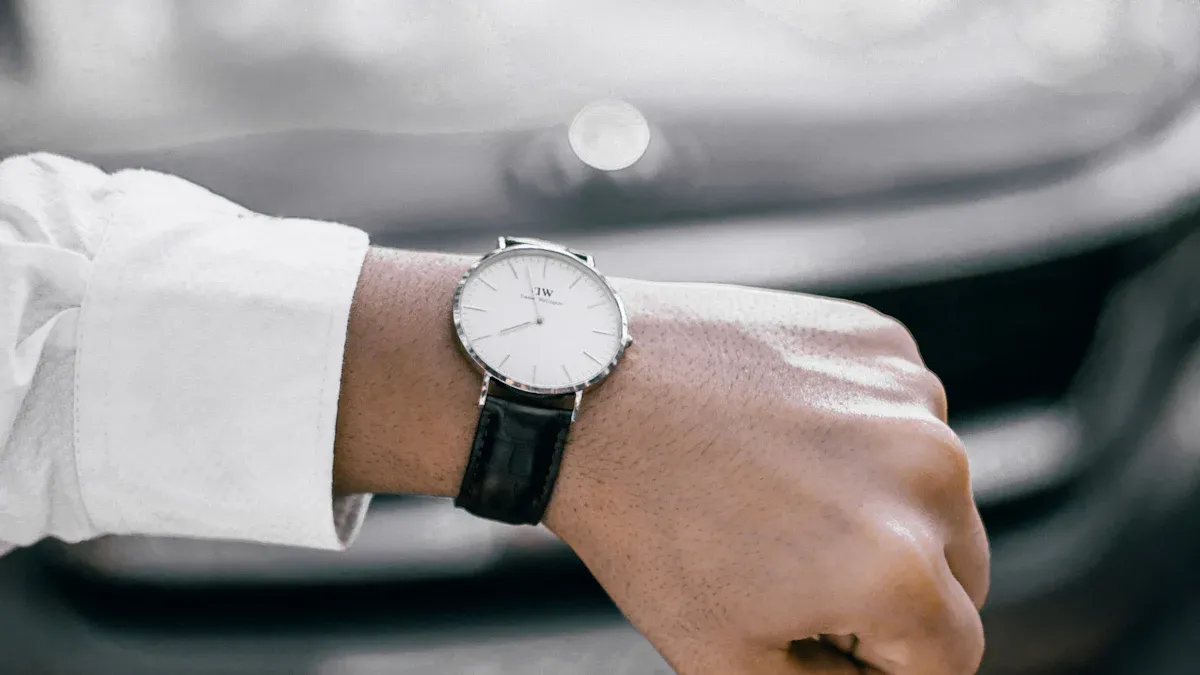
Dress Watches
Dress watches are your go-to for formal events. They feature a slim profile, making them easy to wear under a shirt cuff. Here are some key features that define dress watches:
Slim Profile: These watches are designed to be thin and unobtrusive.
Simple Dial: They usually have a clean, uncluttered look with minimal complications.
Quality Materials: Expect high-quality materials like stainless steel or gold, often paired with leather straps.
Dress watches are all about elegance and simplicity. They complement formal attire beautifully, enhancing your overall look without being flashy.
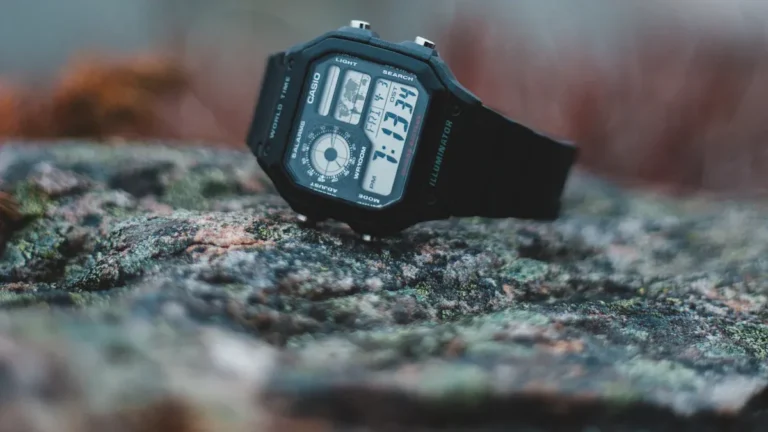
Casual Watches
Casual watches offer versatility for everyday wear. They come in various styles and designs, making them suitable for relaxed settings. Here are some tips for choosing a casual watch:
Versatile Styles: Look for watches that can transition from day to night effortlessly.
Color and Design Options: Feel free to experiment with colors and patterns that match your personality.
Pairing with Casual Outfits: Casual watches can be worn with jeans, t-shirts, or even shorts. They should reflect your personal style while remaining comfortable.
Sports Watches
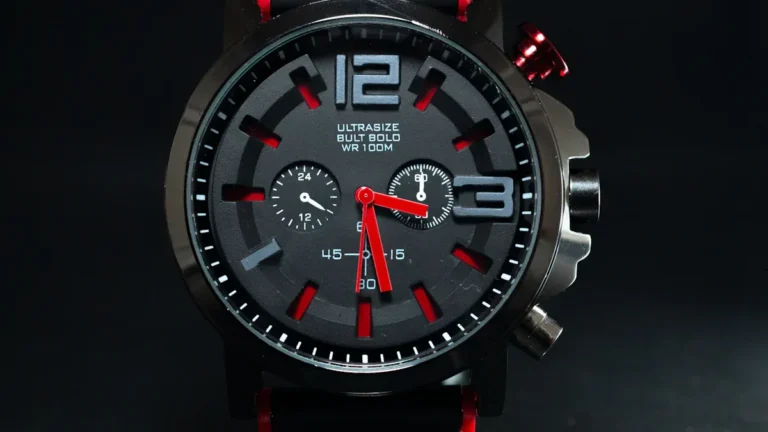
Sports watches are built for action. They often feature durable materials and functionalities that cater to active lifestyles. Here’s what to look for:
Durability: Sports watches use rugged materials like rubber or nylon, perfect for outdoor activities.
Water Resistance: Many sports watches offer significant water resistance, often rated for 100 meters or more.
Functionality: Expect features like chronographs, dive bezels, and altimeters, making them ideal for sports enthusiasts.
Watches for Formal Wear
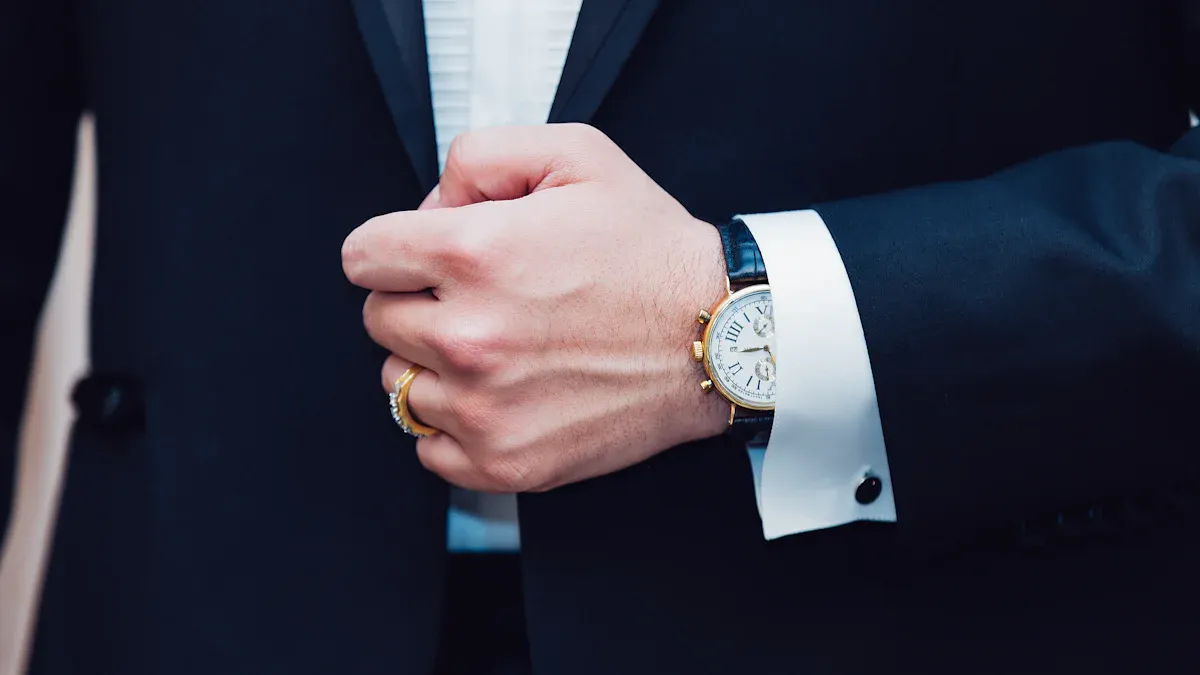
When you choose a watch for formal wear, you want to ensure it complements your outfit perfectly. Here are some key features to consider:
Key Features
A dress watch should embody elegance and simplicity. Here are some essential features to look for:
Classic Design: Timeless pieces with minimalist designs work best for any suit.
Slim Profile: A thin watch fits comfortably under your shirt cuff, maintaining a polished look.
Quality Craftsmanship: Look for well-made timepieces that reflect attention to detail.
Material Considerations
The materials used in your watch can significantly impact its appearance and feel. Here’s a quick overview of popular materials for formal watches:
Material | Characteristics |
|---|---|
Gold | Expensive, prestigious, heavy, available in various colors, dressy and formal style |
Platinum | White metal, expensive, prestigious, heavy, and rare |
Stainless Steel | Affordable, lightweight, corrosion-resistant, and often has a sporty and casual style |
Choosing the right material can enhance the watch’s elegance. For instance, gold and platinum are luxurious options that convey sophistication, while stainless steel offers a more affordable yet stylish alternative.
Matching with Formal Attire
To ensure your watch complements your formal attire, consider these guidelines:
Classic dress watches: These timeless pieces are ideal for any suit.
Vintage-inspired dress watches: They incorporate historical design elements, offering a unique style.
Luxury dress watches: Made from premium materials, they exude opulence and exclusivity.
Ultra-thin dress watches: Exceptionally slim, these are perfect for formal events where subtlety is key.
When matching your watch with formal wear, pay attention to color and metal choices. For example:
Black leather bands are more formal than brown.
Silver watches pair well with black, gray, silver, and blue shades.
Gold watches complement earth tones like browns and beiges.
A simple dress watch is often recommended for formal events. Ensure the metal of your watch coordinates with other accessories for a polished look.
Choosing the right watch for formal occasions is all about elegance and sophistication. By focusing on these features and considerations, you can find a timepiece that enhances your overall appearance and reflects your personal style.
Choosing a Watch for Casual Settings
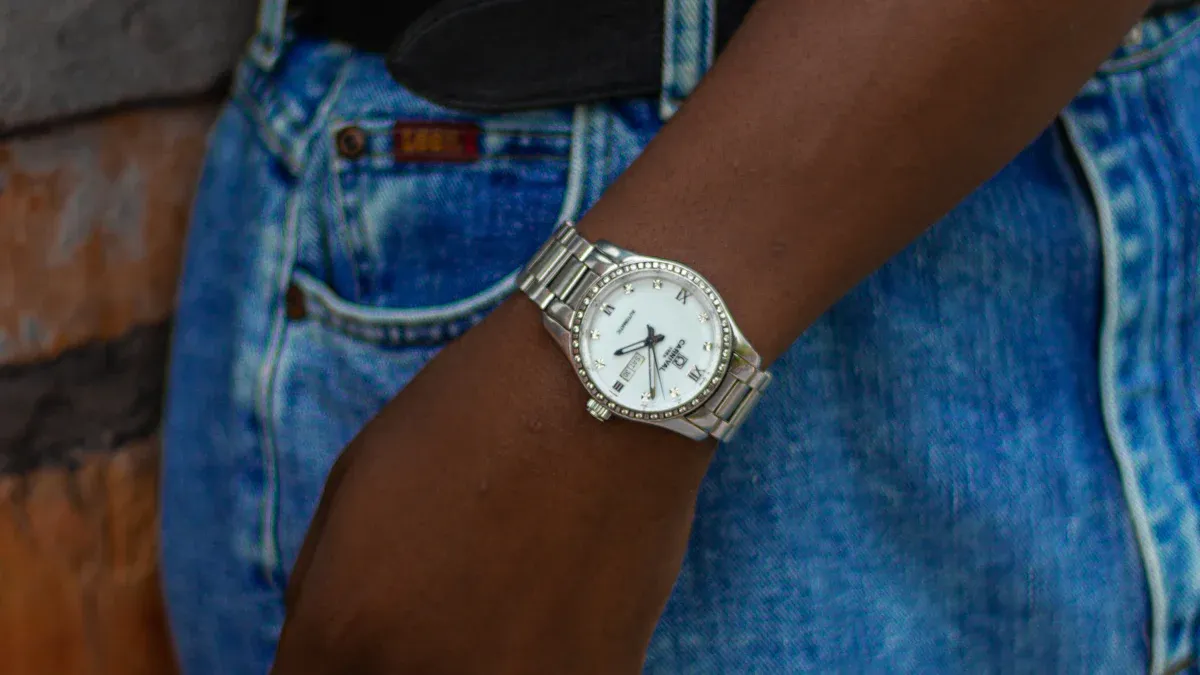
When you choose a watch for casual settings, versatility is key. You want a timepiece that can adapt to different occasions, whether you’re heading to a party or just hanging out with friends. Here are some versatile styles that fit the bill:
Versatile Styles
Interchangeable Straps: Brands like Panerai offer watches with straps you can swap out. For instance, you might wear an alligator strap during the week and switch to a rubber strap for the weekend.
Classic Designs: The Royal Oak is a great example of a watch that fits well in various environments. Its timeless look makes it suitable for both casual and semi-formal occasions.
Bauhaus-Style Watches: These watches feature minimalist designs that complement a range of outfits, allowing for effortless transitions between formal and relaxed settings.
Color and Design Options
When it comes to casual watches, color and design play a significant role in how they enhance your outfit. Here are some popular choices:
Favored Colors: Black, blue, silver, white, and green are the most popular colors for casual watches. Emerging shades like mocha and pink are also gaining traction, reflecting a trend toward personalization.
Market Insights: Black dials account for about 38% of the market share, making them the most popular choice. Blue dials follow closely, while silver and white collectively hold around 25%. Green dials are also on the rise, capturing about 5% of the market.
Pairing with Casual Outfits
Pairing your watch with casual wear can elevate your overall look. Here are some tips to help you style your watch effectively:
Material Matters: Lightweight materials like nylon or rubber enhance comfort and create a relaxed vibe. In contrast, leather straps are better suited for formal settings.
Size and Statement: A larger watch face can contribute to a casual look, as long as it fits well. Bright colors and unique patterns can make a statement and reflect your personal style.
Outfit Combinations: Combine your watch with jeans and a t-shirt for a seamless look. You can also layer a sport watch with bracelets for added personality. Don’t hesitate to switch up your watch style to keep your outfit fresh.
For example, a brown leather strap pairs beautifully with blue jeans, transitioning from casual to polished looks. A Milanese mesh strap offers a modern aesthetic that contrasts nicely with denim, perfect for a sophisticated evening out. Experimenting with colors like navy or burgundy can add a stylish pop to your outfit.
In casual settings, avoid elegant designs that clash with a relaxed look. Instead, opt for practical sports watches that are water-resistant and durable. This way, you can enjoy activities without worrying about damaging more formal pieces.
Choosing the right watch for casual wear allows you to express your style while staying comfortable. With the right timepiece, you can effortlessly enhance your outfit for any casual occasion.
Tips for Transitioning Between Occasions
Transitioning between different occasions can be a breeze when you know how to accessorize with your watch. Here are some tips to help you make the most of your timepiece for various events.
Accessorizing with Watches
Your watch can serve as a versatile accessory that enhances your overall look. Consider these options to elevate your style:
Metal Straps: Crafted from stainless steel, gold, or titanium, these provide a polished look and can coordinate with various suit colors.
Gold or Two-Tone Bracelets: Ideal for black-tie events, these add luxury and distinction.
Leather Straps: Match the color of your watch strap with your shoes for a cohesive look (black leather for black shoes, brown leather for brown shoes).
These accessories allow you to adapt your watch to fit both formal and casual settings seamlessly.
Multi-functional Watches
Multi-functional watches are a game-changer for those who want versatility. These timepieces offer various features beyond just telling time, making them practical for different occasions. Here are some benefits:
They often include subdials that provide additional functionalities, catering to both formal and casual settings.
A removable wrist pad leather strap provides versatility and adaptability for both formal and casual settings.
With a multi-functional watch, you can easily transition from a professional meeting to a casual outing without missing a beat.
Seasonal Considerations
When choosing a watch, consider the season. Different occasions call for different styles. For example, during summer, you might prefer lighter materials and brighter colors. In contrast, winter may call for more sophisticated and darker tones.
Smartwatches can also adapt to seasonal changes. They serve not only as timepieces but also as fitness trackers and communication devices. You can swap out straps to match your outfit or the occasion. The Apple Watch, for instance, allows you to change straps easily, making it suitable for any event.
By keeping these tips in mind, you can ensure your watch complements your look, no matter the occasion.
Choosing the right watch is all about reflecting your personal style while considering the occasion. Here are some key takeaways to keep in mind:
Understand watch types and occasions to find the perfect fit.
Consider materials and features to narrow down your options.
Evaluate your budget and brand reputation for long-term satisfaction.
A versatile watch adapts to different settings, enhancing its value and appeal. By recognizing your lifestyle and preferences, you can select a timepiece that not only meets your needs but also brings you joy every time you wear it. 🕒✨
FAQ
What type of watch should I wear to a wedding?
For weddings, opt for a classic dress watch. Choose one with a simple design and quality materials like leather or stainless steel. This choice complements formal attire and adds elegance to your overall look.
Can I wear a sports watch with formal attire?
While it’s possible, a sports watch may clash with formal attire. If you prefer a sporty look, choose a sleek, minimalist design that maintains a sophisticated vibe. Aim for a watch that balances style and functionality.
How do I know if a watch fits my wrist?
To check the fit, measure your wrist circumference. A well-fitting watch should sit comfortably without pinching or sliding. You should be able to fit one finger between your wrist and the strap.
Are smartwatches suitable for formal occasions?
Smartwatches can work for formal events if they have a sleek design. Look for models with customizable watch faces and premium materials. This way, you can maintain a polished appearance while enjoying the features of a smartwatch.
How often should I service my watch?
You should service your watch every 3 to 5 years, depending on the type and usage. Regular maintenance keeps it running smoothly and extends its lifespan. Always consult the manufacturer’s guidelines for specific recommendations.