Maintaining your watch is crucial for ensuring its longevity and performance. To effectively maintain your watch, proper care helps prevent common issues that many watch owners face. For instance, a lack of regular maintenance can lead to mechanical failure. Here are some common concerns:
Concern | Description |
|---|---|
Lack of Regular Maintenance | Mechanical watches require regular cleaning and oiling to prevent parts from seizing. |
Low Power Reserve | Automatic watches typically hold 38 to 42 hours of power; lack of use can lead to them stopping. |
Not Fully Wound | Insufficient winding after disuse can prevent the watch from functioning properly. |
Magnetism or Shock | External magnetic fields or physical shocks can disrupt the watch’s internal components. |
By following a structured routine to maintain your watch, you can enhance its lifespan and ensure it operates smoothly.
Daily Care
Cleaning Your Watch
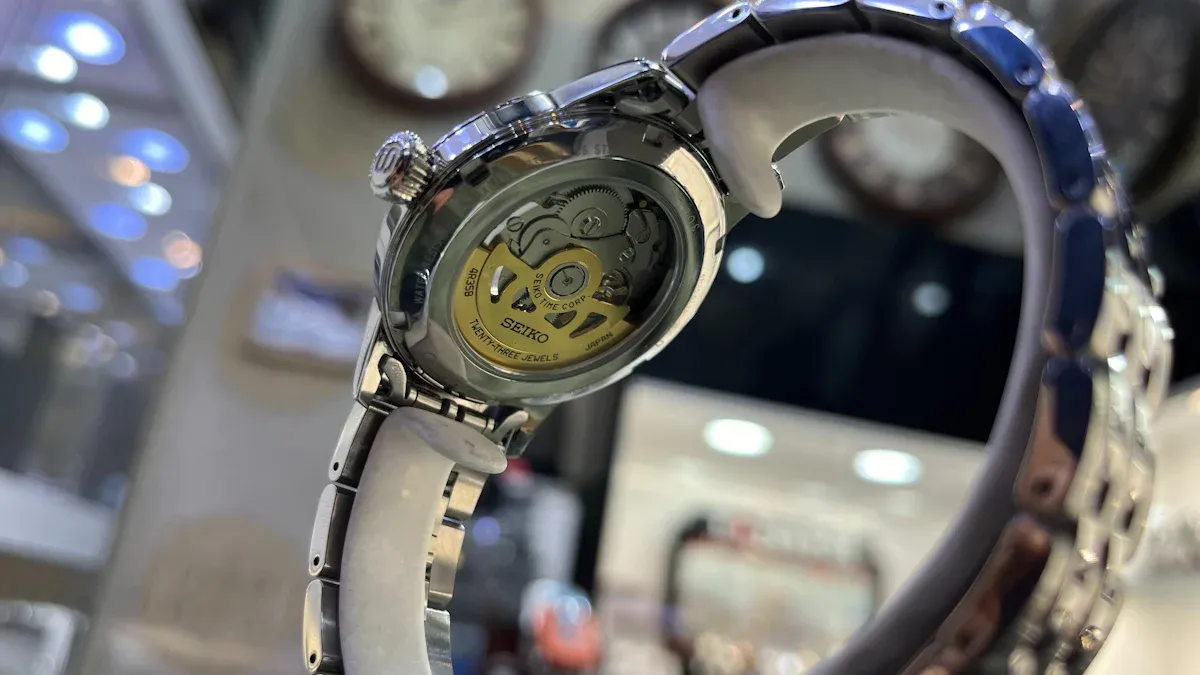
Daily cleaning is essential to maintain your watch’s appearance and performance. You should establish a routine to clean your watch after wearing it. Here are some effective cleaning methods:
Gently wipe the case and crystal with a soft microfiber cloth to remove fingerprints, dust, and oils.
For water-resistant watches, use a lightly damp cloth for deeper cleaning, but avoid soaking the case.
Clean metal bracelets with a soft brush and mild soap if water-resistant; rinse quickly and dry with a clean cloth.
For leather straps, use a dry cloth to wipe away dirt and avoid water exposure.
Avoid harsh chemicals like household cleaners, perfumes, and lotions that can damage the watch.
Using a quality baby hair brush made of soft natural hair bristles is recommended. This type of brush will not scratch the watch and is effective for daily cleaning.
Safe Storage Practices
Proper storage is crucial for extending the life of your watch. Here are some best practices to follow:
Storage Type | Best Practices |
|---|---|
Short-term Storage | Use a padded watch box or stand, avoid watches touching each other, place on a vibration-free surface, keep distance from electronics. |
Long-term Storage | Maintain stable temperature and humidity, operate quartz watches monthly, consider battery removal for long storage, service before extended storage. |
You should store your watch in a dedicated case or pouch to prevent scratches and dust buildup. Avoid keeping watches near windows or in damp rooms to prevent humidity damage. A watch box can help you organize and protect your collection effectively.
Temperature and humidity can significantly affect your watch’s performance. High humidity can lead to internal rust, while extreme heat can warp components. Regular maintenance and strategic storage are essential for long-term performance.
Maintenance
Automatic Watch Care
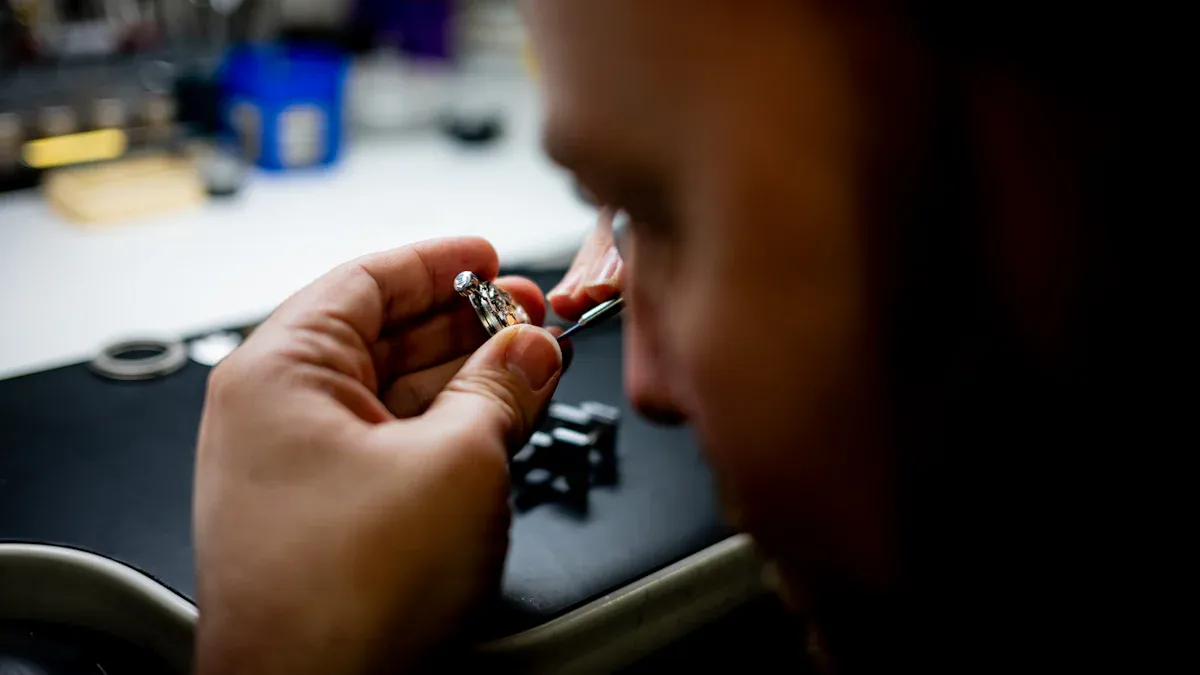
To maintain your automatic watch, you should follow a few essential practices. Regular servicing is crucial for keeping your watch in top shape. Most manufacturers recommend servicing your automatic watch every 3 to 8 years, depending on the brand and usage. Here’s a quick overview of recommended servicing intervals:
Brand | Recommended Servicing Interval |
|---|---|
Omega | Every 5 to 8 years |
TAG Heuer | Every 5 to 6 years |
Seiko | Every 3 to 5 years |
To ensure optimal performance, wear your automatic watch regularly. This keeps the movement active and helps distribute lubricants evenly. If you switch between different watches, gently wind your automatic watch after it has been inactive for a few days. Here’s how to wind it properly:
Remove the watch from your wrist to avoid strain on the crown.
Unscrew the crown if your watch has one, turning it counterclockwise.
Wind smoothly and evenly to ensure efficient energy transmission.
Adjust the time if needed after a long period of inactivity.
Wear and enjoy your watch to keep it powered.
Quartz Watch Care
Quartz watches require different care compared to automatic models. They typically need less maintenance, but you should still pay attention to a few key aspects. Most quartz watches need servicing every 3 to 5 years. If you don’t wear your quartz watch regularly, consider servicing it every 5 to 7 years. Here are some important tips for maintaining your quartz watch:
Replace the battery every 2 to 3 years. This helps prevent damage to the watch mechanism.
Stay attentive to your watch’s performance. If it starts to lose time, it may be time for a battery change.
Have the battery replaced before it causes damage. A dead battery can leak and harm the internal components.
When replacing the battery, work slowly to avoid scratching the case or losing parts. Avoid using magnetized tools, as they can affect the movement’s accuracy. Keep track of screws in a small container to prevent losing them. Always check the seal and replace the rubber gasket if it looks cracked or worn.
By following these maintenance tips, you can ensure that both your automatic and quartz watches perform well for years to come.
Servicing
Rolex Watch Care
When it comes to Rolex watch care, you should prioritize regular professional servicing. Rolex watches are known for their precision and durability, but they still require attention. Most experts recommend that you service your Rolex every 3 to 5 years. This ensures that all components function correctly and that the watch maintains its value.
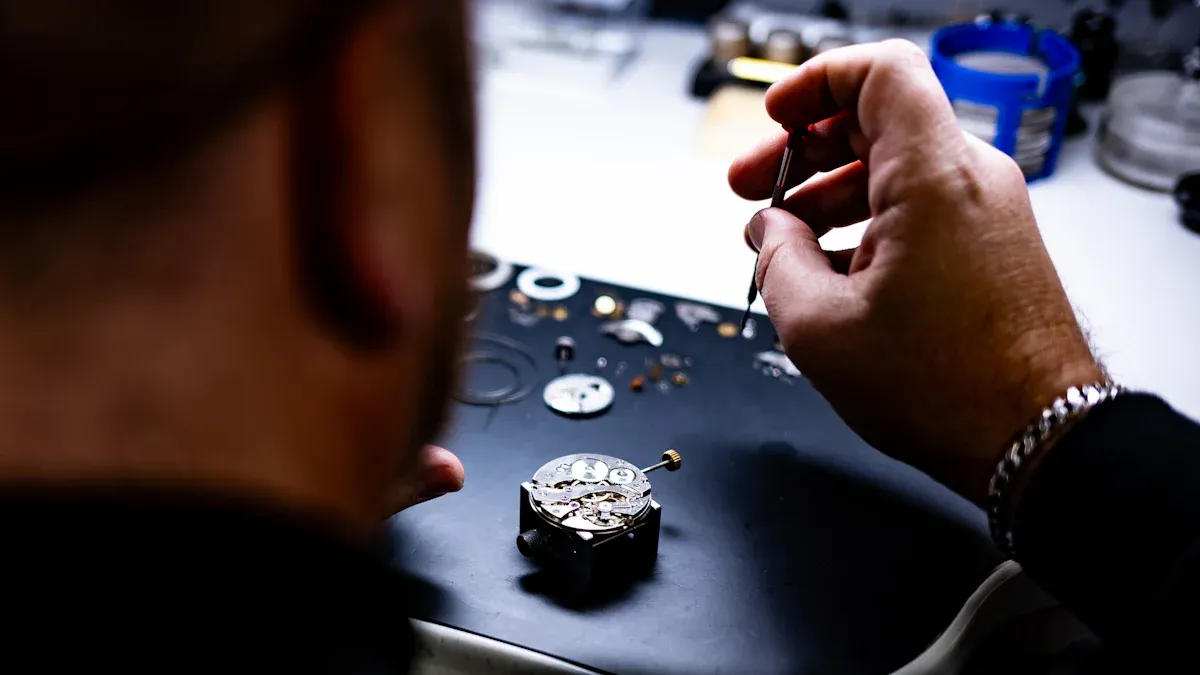
During a service, a qualified watchmaker will:
Disassemble the watch to clean and inspect all parts.
Replace worn-out components and lubricate the movement.
Test the water resistance of a Rolex to ensure it meets the manufacturer’s standards.
Calibrate the timekeeping to ensure accuracy.
The average cost for servicing a Rolex can vary significantly. Here’s a quick overview of the average service costs for luxury brands:
Brand | Average Service Cost |
|---|---|
Rolex | $800 to $2,800+ |
Omega | Around $700 |
Patek Philippe | $2,300 or higher |
When to Seek Help
You should not neglect servicing your watch. There are clear signs that indicate when your watch needs professional attention. Look out for:
Inaccurate timekeeping: If your watch consistently loses or gains time, it may have internal issues.
Moisture inside the watch: Any visible water or condensation under the crystal can damage the movement.
Unusual sounds: Grinding or rattling noises signal potential problems with the internal components.
Choosing a qualified watchmaker is essential for effective servicing. Here are some qualifications to consider:
Expertise in watch repair and maintenance.
Ability to handle complex repairs and restorations.
Formal education or apprenticeship in watchmaking, ideally with recognized programs like WOSTEP.
A skilled watchmaker will ensure your watch receives the care it deserves. By following these guidelines, you can maintain your watch’s performance and longevity.
Common Issues
Timekeeping Problems
You may notice that your watch sometimes loses or gains time. Several factors can cause these timekeeping problems. Here are some common issues you might encounter:
A dead battery can stop your watch from running.
Excessive use of functions can drain the battery quickly.
Internal issues triggered by body heat can cause your watch to stop working.
If your watch shows irregular timekeeping, it may be due to gravity, temperature changes, or magnetism. Mechanical failures can also lead to inaccuracies. To troubleshoot, check for extreme temperatures affecting accuracy. Move your watch away from strong magnetic fields and reset the time. If you suspect magnetization, bring your watch close to a compass. If the needle moves significantly, your watch is likely magnetized. In that case, take it to a local watch repair shop for demagnetization.
Dealing with Scratches
Scratches on your watch can be frustrating, but you can take steps to minimize their appearance. Different materials have varying susceptibility to scratches. Here’s a quick overview:
Material Type | Susceptibility to Scratches | Protection Method |
|---|---|---|
Plastics | High | Anti-scratch coatings |
Metals | Moderate | N/A |
Glass | Low | N/A |
To remove scratches, follow these steps:
Start with coarser abrasives, such as 1800 Micro-Mesh, to remove deeper scratches.
Progress through finer grades of Micro-Mesh up to 12000 for a smooth finish.
Sand the entire surface uniformly to avoid unevenness.
Use small circular motions while sanding to ensure even polishing.
Optionally, apply a final polish with a product like Meguiar’s PlastX for a shiny finish.
By maintaining your watch and addressing these common issues, you can ensure it remains in excellent condition for years to come.
Maintaining your watch is essential for its longevity and performance. Here are some key takeaways to remember:
Regularly clean your watch with a soft cloth.
Store it in a safe, temperature-controlled environment.
Avoid extreme conditions and unnecessary wear.
Schedule professional servicing every 3 to 5 years.
By adopting these practices, you can ensure your watch remains in excellent condition for years to come. Remember, a well-cared-for watch not only performs better but also retains its value over time.