Getting the hang of makeup basics is essential for beginners. You want your look to be fresh and natural, right? By mastering foundation, concealer, contour, and highlight, you can elevate your makeup routine. These techniques not only enhance your features but also boost your confidence. So, let’s dive in and start your makeup tutorial journey!
Key Takeaways
Start with a clean face and apply primer before foundation for a smooth base.
Choose the right foundation shade by testing on your jawline and blending well for a natural look.
Use concealer to cover imperfections and brighten areas like under your eyes for a flawless finish.
Makeup Basics: Foundation
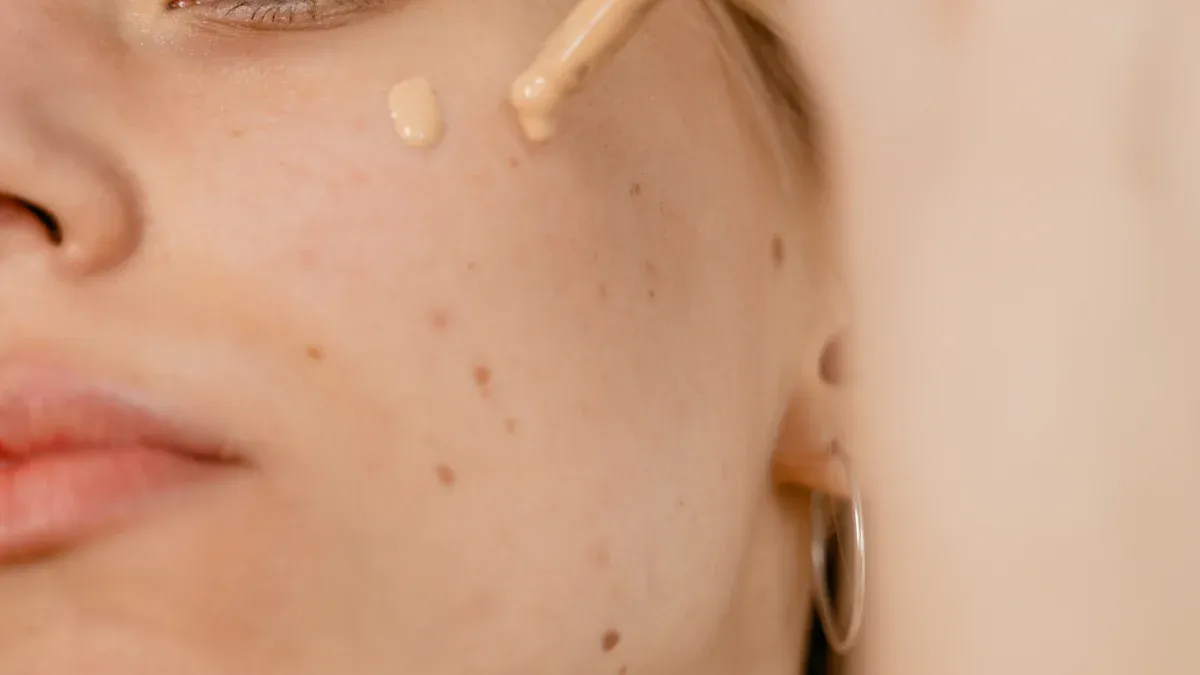
When it comes to makeup application, foundation is your starting point. It creates a smooth base for the rest of your makeup. Before you dive into applying foundation, make sure your face is clean and moisturized. Using a primer can also make a big difference. It helps your foundation adhere better and gives you a flawless finish. Here’s what you need to know about foundation.
Types of Foundation
There are several types of foundation available, each with its unique benefits. Here’s a quick rundown:
Liquid Foundation: This is a popular choice because it’s buildable and versatile. You can apply it with brushes, sponges, or even your fingers.
Powder Foundation: Available in loose or pressed forms, this type offers lighter coverage and is great for oily skin.
Cream Foundation: Thicker than liquid, cream foundation provides more coverage and is perfect for dry skin.
Serum Foundation: A hybrid between liquid foundation and tinted moisturizer, serum foundations often contain skincare ingredients.
Stick Foundation: Easy to apply and portable, stick foundations are great for quick touch-ups.
Tinted Moisturizers: These provide ultra-light coverage and hydration, making them ideal for a natural look.
Mineral Foundation: Made from natural minerals, this type is usually in loose powder form and is suitable for sensitive skin.
Choosing the Right Shade
Finding the right foundation shade can be tricky, but it’s essential for a natural look. Here are some steps to help you choose:
Identify Skin Tone and Undertones: Check the color of your veins. If they appear blue, you likely have cool undertones. If they look green, you have warm undertones. Neutral undertones are a mix of both.
Test Shades: Pick a few foundation colors that match your complexion.
The Face Method: Apply foundation to the center of your face and blend outward. This helps you see if it matches your skin tone.
Swatched Method: Apply different shades on your jawline or chest to compare and find the best match.
Application Techniques
Now that you have your foundation, it’s time to apply it! Here are some effective techniques to achieve a natural finish:
The golden rule here? Start with less than you think you need. You can always add more, but it’s a pain to take it away. Use a damp sponge for a dewy glow and to ensure the foundation blends seamlessly into the skin.
Start with a small amount of foundation and apply it in small touches to avoid a heavy look.
Blend foundation from the center of your face outward for a natural finish.
Choose the right application tool: a brush for polished coverage, a sponge for a light finish, or your fingers for quick application.
Avoid overloading your face with too much foundation to prevent a cakey appearance. Make sure the shade matches your skin tone to avoid visible lines.
By following these tips, you’ll master the art of foundation application and create a beautiful base for your makeup.
Concealer Techniques
Concealer is a makeup essential that can transform your look. It helps you cover imperfections and achieve a flawless complexion. Let’s explore the purpose of concealer, how to choose the right shade, and the best application methods.
Purpose of Concealer
So, what exactly does concealer do? Here are the main reasons you should include it in your makeup routine:
Cover Imperfections: Concealer hides dark circles, blemishes, and discoloration, giving you a more even skin tone.
Color Correction: You can use different shades to neutralize unwanted tones. For example, a peach concealer can counteract blue dark circles.
Highlighting: Concealer can also brighten specific areas of your face, like under your eyes or on your cheekbones, enhancing your overall makeup look.
Selecting the Right Shade
Choosing the right concealer shade is crucial for a seamless finish. Here’s how to do it:
Characteristic | Cool Undertone | Warm Undertone | Neutral Undertone |
|---|---|---|---|
Veins on Wrist | Blue or purple | Green or olive | A mix of blue and green |
Best Jewelry | Silver, platinum, rose gold | Gold | Both look great |
Reaction to Sun | Burns easily, rarely tans | Tans easily, rarely burns | Burns then tans |
Flattering Colors | Blues, purples, jewel tones | Oranges, yellows, olive green | Most colors work well |
When selecting your concealer, consider these tips:
For brightening under your eyes, choose a shade one to two shades lighter than your skin tone.
For covering blemishes, use a concealer that matches your skin tone exactly.
Application Methods
Now that you have your concealer, let’s talk about how to apply it effectively. Here are some methods to achieve the best results:
Dabbing Technique: Use your ring finger or a makeup sponge to gently dab the concealer onto the area you want to cover. This helps blend it seamlessly into your skin.
Triangle Method: For under-eye concealing, apply the concealer in a triangle shape with the base along your lower lash line and the point towards your cheek. This not only covers dark circles but also brightens your entire face.
Setting: After applying concealer, set it with a light dusting of translucent powder. This prevents creasing and keeps your concealer in place throughout the day.
By mastering these techniques, you’ll be able to use concealer to enhance your makeup look and boost your confidence!
Contour Basics

Contouring is a makeup technique that helps you enhance your facial features by creating shadows and highlights. It allows you to temporarily alter the appearance of your bone structure, boosting your facial definition in a subtle way. Here’s what you need to know about contouring.
Defining Contouring
Contouring creates the illusion of different bone structures by applying makeup strategically. You can use two methods: full face contouring, which is more complex and suited for special occasions, and partial contouring, which focuses on enhancing specific features. This makes it more accessible for beginners.
Here are some benefits of contouring:
Enhanced Facial Features: Accentuates your best features for a defined look.
Youthful Appearance: Restores lost volume and lifts sagging skin.
Increased Confidence: A better appearance can boost your self-esteem.
Products to Use
Choosing the right products is key to successful contouring. Here’s a quick comparison of some popular options:
Product Name | Type | Best For | Strengths |
|---|---|---|---|
Fenty Matchstix: shade Amber | cream | drier skin types | Blends easily, natural finish, available in eight shades. |
Missha Cotton Contour: shade Smoked Hazel | powder | budget-friendly | Affordable, soft texture, looks natural on the skin. |
Surratt Beauty Artistique in Grisaille | powder | makeup minimalists, high-end finish | Creamiest powder, easy to blend, cool tone looks natural. |
Step-by-Step Techniques
Ready to contour? Follow these steps for a natural look:
Cheekbones: Visualize a line from the top of your ear to the outer corner of your mouth. Apply cream contour along this line, starting from your hairline and flicking up towards your eye. Blend until seamless.
Forehead: Dot cream contour across your hairline from temple to temple. Blend in semicircles to merge the dots, ensuring the color is darkest at the hairline.
Jawline: Buff contour along your jawline to create a shadow. Blend until it merges seamlessly with your makeup.
Avoid common mistakes like applying too much product or not blending correctly. Use a brush designed for your face shape for precise contouring. With practice, you’ll master contouring and enhance your makeup game!
Highlighting Techniques
Highlighting adds a beautiful glow to your makeup look. It enhances your features and gives your skin a radiant finish. Let’s explore the best products for highlighting and how to apply them for that natural glow.
Best Products for Highlighting
Choosing the right highlighter can make all the difference. Here’s a table of some popular options recommended by makeup professionals:
Product Name | Price | Type |
|---|---|---|
Chanel Baume Multi-Use Glow Stick | $49 | Best Overall |
e.l.f. Halo Glow Liquid Filter | $15 | Best Drugstore |
Merit Day Glow Highlighting Balm | $32 | Best Dewy Finish |
Benefit Cosmetics Cookie and Tickle Shimmer Finish | $39 | Best High Impact |
Charlotte Tilbury Beauty Highlighter Wand | $44 | Best Applicator |
Dior Glow Face Palette | $48 | Best Palette |
Iconic London Illuminator | $40 | Best for Bold Looks |
L’Oréal Paris True Match Lumi Glotion | $15 | Best Buildable |
Live Tinted Hueglow Jumbo Liquid Highlighter Drops | $31 | Best for Mature Skin |
MAC MAC Mineralize Skinfinish | $43 | Best Powder |
Application Techniques for a Natural Glow
To achieve a natural glow, follow these steps:
Start with skin prep: Make sure your skin is well-moisturized. Apply foundation and concealer as usual.
Choose the right formula: Liquid highlighters provide a dewy finish, while powder highlighters give a soft glow.
Apply to the high points: Focus on the tops of your cheekbones, bridge of your nose, brow bones, cupid’s bow, and inner corners of your eyes.
Blend it out: Use a damp sponge for liquids and creams, or a fluffy brush for powders to avoid harsh lines.
Finish your look: Set your highlighter with a light dusting of setting powder or a spritz of setting spray.
By following these techniques, you’ll create a stunning, radiant look that enhances your natural beauty!
Mastering makeup basics like foundation, concealer, contour, and highlight can transform your look. Here are some key takeaways:
Prep your face with clean skin and primer.
Choose the right foundation and blend well.
Use concealer for targeted corrections.
Practice contouring for defined features.
Regular practice builds confidence and improves your skills. Embrace the learning process!
FAQ
What is the best way to apply foundation?
Start with a clean face and primer. Use a damp sponge or brush to blend foundation from the center outward for a natural finish.
How do I choose the right concealer?
Select a shade that matches your skin tone for blemishes. For under-eye circles, pick one to two shades lighter for brightening.
Can I skip contouring and highlighting?
Absolutely! Contouring and highlighting are optional. Focus on foundation and concealer for a fresh look if you prefer simplicity.