When you think about watches, you might picture two distinct types: smartwatches and traditional watches. Smartwatches offer advanced technology, allowing you to track fitness, receive notifications, and even monitor health metrics. In contrast, traditional watches emphasize craftsmanship and timeless style, often becoming cherished heirlooms.
Consider this: the smartwatch market has grown significantly, reaching $39.25 billion in 2024. Younger adults initially drove this trend, but interest is now spreading to older age groups. Meanwhile, traditional watches remain popular for their elegance and durability. Your choice between smartwatches vs traditional watches will depend on your personal style and practical needs.
Smartwatches vs Traditional Watches: Features
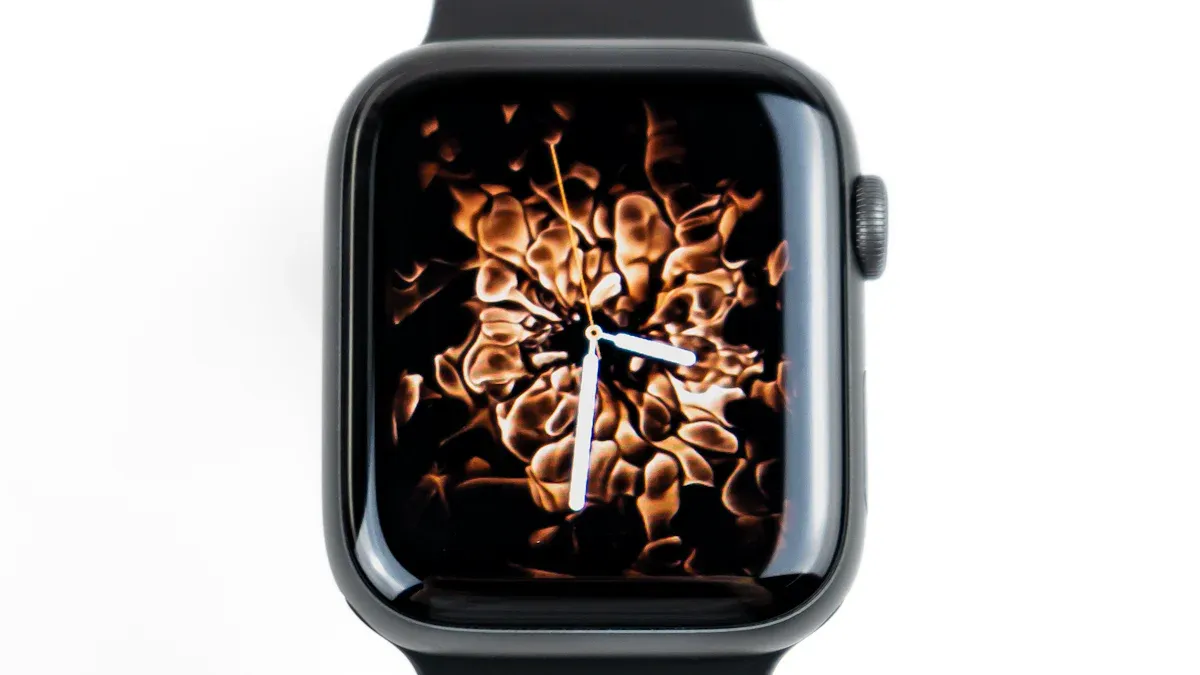
Smartwatch Features
Smartwatches come packed with advanced technology that enhances your daily life. Here are some key features you can expect from a smartwatch:
Fitness Tracking: Most smartwatches monitor your heart rate, steps, and calories burned. They often include GPS for tracking outdoor activities.
Notifications: You can receive calls, texts, and app notifications directly on your wrist. This feature keeps you connected without needing to check your phone constantly.
Health Monitoring: Many smartwatches offer health metrics like sleep tracking, blood oxygen levels, and even ECG readings. This smart technology helps you stay informed about your health.
Customization: You can change watch faces and bands to match your style. Some luxurious smartwatches even allow you to download apps for added functionality.
Battery Life: While battery life varies, many smartwatches require daily charging due to their power-hungry features.
Traditional Watch Features
Traditional watches focus on craftsmanship and mechanical precision. Here are some features that define traditional watches:
Mechanical Movement: Traditional watches often use intricate mechanical movements. Key components include:
Automatic winding
Calendar
Alarm
Chronograph
Hacking feature
Moon phase dial
Wind indicator
Repeater
Tourbillon
Durability: Many traditional watches are built to last. They often feature robust materials like stainless steel or sapphire crystal, making them resistant to scratches and wear.
Water Resistance: Traditional watches vary in water resistance. Some can withstand daily wear, while others are suitable for swimming. Here’s a quick comparison:
Watch Type | Water Resistance Rating | Activities Suitable |
|---|---|---|
Smartwatch | 5ATM | Swimming, showering, water workouts |
Traditional Watch | Varies (often lower) | Daily wear, light exposure, not for swimming |
Maintenance: Mechanical watches require servicing every 4 to 7 years. This includes cleaning and lubricating their intricate movements. In contrast, smartwatches often face hardware issues that lead to replacement rather than repair, typically within 3 to 5 years.
Style: Smartwatches vs Mechanical Watches
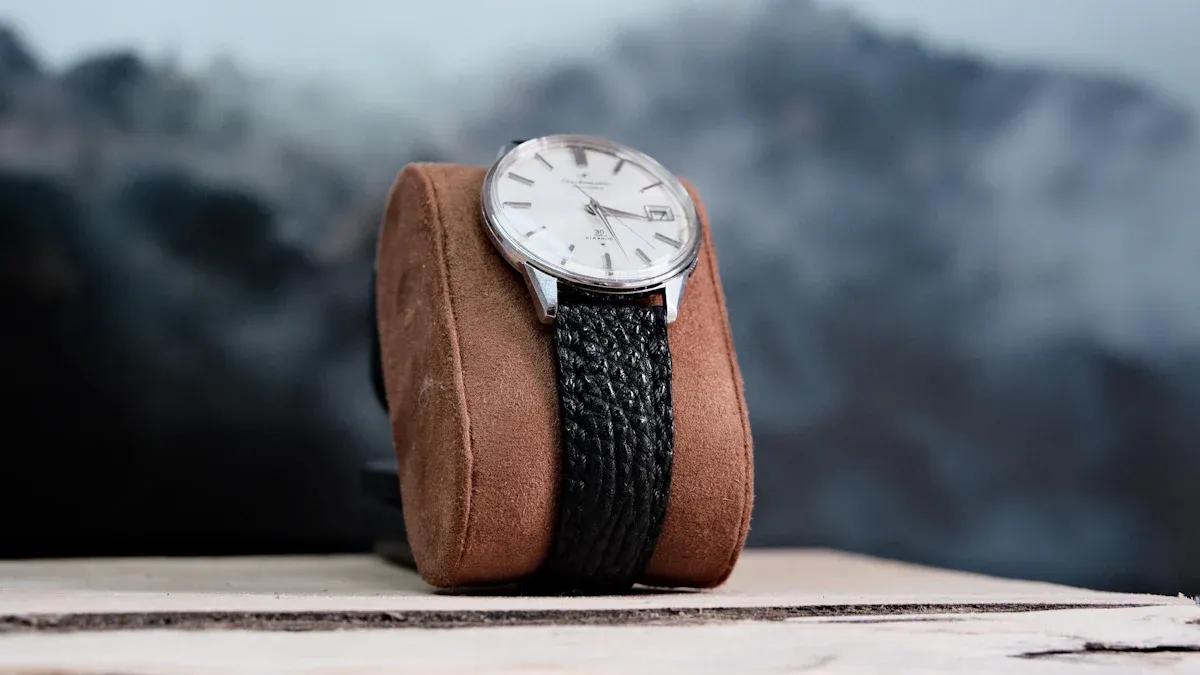
Smartwatch Design
Smartwatches offer a variety of design options that cater to different tastes. You can find models with sleek, modern looks or those that mimic traditional styles. Popular design trends for 2024 include:
Enhanced voice assistants like Google Assistant and Siri.
Improved connectivity with 5G and eSIM technology.
Advanced customization options for personalization.
AI integration for personalized experiences and health insights.
These features allow you to tailor your smartwatch to fit your lifestyle. You can easily change bands and watch faces to match your outfit or mood.
Feature | Smartwatches |
|---|---|
Band Customization | Interchangeable bands with quick-release |
Watch Face Customization | Customizable digital faces with various styles |
Software Features | Advanced settings for health metrics display |
Material Variety | Fabric, nylon, and other materials available |
Traditional Watch Aesthetics
The style of traditional watches emphasizes craftsmanship and timeless elegance. These watches often feature intricate designs that showcase the artistry involved in their creation. Key elements of traditional watch aesthetics include:
Use of high-quality materials like brass, gold, and silver.
Detailed engravings and embellishments that reflect luxury.
Designs that serve as status symbols, often featuring elaborate styles.
Traditional watches also adapt to various occasions. For example, you might wear a classic gold wristwatch for business meetings or a dress watch for formal events.
Occasion/Dress Code | Suitable Watch Type |
|---|---|
Casual | Sports watches (e.g., G-Shock, Rolex) |
Smart Casual/Semi-Casual | Hybrid watches (e.g., Omega Speedmaster) |
Business Casual | Simple dress or hybrid watches |
Business Wear | Classic gold/steel wrist watches |
Black and White Tie | Dress watch with a classic style |
Functionality: Smartwatches vs Traditional Watches
Smartwatch Versatility
Smartwatches offer a wide range of functionalities that enhance your daily life. Here are some key advantages:
Health Monitoring: Smartwatches track your heart rate and steps in real-time. This feature helps you stay informed about your physical activity.
Time Management: You can set calendar reminders and alarms. This keeps you organized and punctual throughout your day.
Customization: You can personalize your smartwatch to match your style. Change watch faces and bands easily to fit your mood or outfit.
Travel Assistance: Built-in GPS and automatic time zone adjustments make traveling easier. You can navigate new places without hassle.
Productivity Boost: Check emails and manage tasks on the go. Smartwatches help you stay connected and productive, even when you’re busy.
Financial Management: Use mobile payments and expense tracking features. This makes managing your finances more convenient.
Stress Relief: Many smartwatches include breathing exercises and guided meditation apps. These features help you reduce stress during your day.
Safety Features: Emergency SOS functions and location sharing enhance your safety. You can feel secure knowing help is just a tap away.
Fashionable Designs: With sleek designs and interchangeable bands, smartwatches are not only functional but also stylish.
Traditional Watch Durability
Traditional watches are known for their durability and longevity. Here’s how they compare to smartwatches:
Lifespan: Mechanical watches can last a lifetime with proper care. In contrast, smartwatches typically last only 2 to 5 years due to battery degradation.
Repair Costs: Traditional watches often require lower maintenance costs. Common repairs usually cost under $100, while smartwatches can run into hundreds of dollars for repairs.
Durability Under Stress: Traditional watches, especially military models, withstand harsh environments. They often use tough materials like stainless steel and scratch-resistant glass. Smartwatches, however, may not be as durable. Their touchscreens require careful handling to avoid damage.
Features | Military Watches | Smartwatches |
|---|---|---|
Durability | Built to withstand harsh conditions | Require delicate handling |
Repair Costs | Generally lower, often under $100 | Higher, often running into hundreds |
Lifespan | Almost eternal (10+ years) | 2 to 5 years |
Choosing between smartwatches and traditional watches depends on your personal preferences and lifestyle needs. Consider the following points:
Smartwatches offer features like fitness tracking and notifications, making them ideal for tech-savvy users.
Traditional watches provide timeless elegance and durability, often becoming cherished heirlooms.
Recent surveys show that 50% of consumers use their watches weekly, with many planning their purchases ahead of time.
Experts suggest that both types can complement each other, catering to different occasions and needs.
Ultimately, your choice should reflect your style and how you plan to use your watch.
FAQ
What is a smartwatch?
A smartwatch is a wearable device that connects to your smartphone. It provides features like fitness tracking, notifications, and health monitoring. You can customize it to fit your style and needs.
How long do smartwatches last?
Smartwatches typically last between 2 to 5 years. Battery degradation and software updates often limit their lifespan. Regular charging is necessary to keep them functional.
Are traditional watches waterproof?
Many traditional watches offer varying degrees of water resistance. Some can handle daily wear, while others are suitable for swimming. Always check the water resistance rating before exposure to water.
Can I wear a smartwatch while exercising?
Yes, you can wear a smartwatch during exercise. Most models include fitness tracking features, heart rate monitoring, and GPS. They help you stay on top of your fitness goals.
How do I maintain a traditional watch?
To maintain a traditional watch, have it serviced every 4 to 7 years. This includes cleaning and lubricating the movement. Proper care ensures its longevity and performance.