Understanding watch movements is essential for anyone looking to buy a watch, and that’s where a comprehensive Watch Buying Guide comes into play. Watch movements are the mechanisms that power your timepiece, determining how it keeps time. The right watch movement can enhance your experience and fit your lifestyle perfectly. Whether you prefer the precision of quartz or the craftsmanship of mechanical options, choosing the right movement can make all the difference in your watch buying journey, as highlighted in the Watch Buying Guide.
Key Takeaways
Understand the three main types of watch movements: quartz, automatic, and mechanical. Each type has unique features that cater to different preferences.
Choose quartz watches for their accuracy and low maintenance. They are ideal for everyday wear and require minimal upkeep.
Consider automatic watches if you appreciate craftsmanship. They wind themselves through wrist movement and offer a blend of tradition and convenience.
Select mechanical watches for their artistry and longevity. They require manual winding and are perfect for collectors and enthusiasts.
Evaluate your lifestyle and preferences when choosing a watch. Think about what features matter most to you, such as accuracy, maintenance, or design.
Watch Movements Overview
When you explore the world of watches, understanding watch movements is crucial. There are three primary types of watch movements: automatic, quartz, and mechanical. Each type has unique features that cater to different preferences and lifestyles.
Movement Type | Power Source | Key Characteristics |
|---|---|---|
Quartz | Battery | – Accurate and low-maintenance |
Mechanical | Manual winding | – No battery required |
Automatic | Wearer’s motion | – No battery required |
Understanding these movements helps you make informed choices. For instance, if you value precision and low maintenance, quartz movements are ideal. They offer reliability and accuracy, making them perfect for everyday wear. On the other hand, if you appreciate craftsmanship, automatic and mechanical movements might appeal to you.
Quartz Movement: Known for its precision and low maintenance, ideal for those who prioritize accuracy.
Automatic Movement: Appeals to luxury enthusiasts who appreciate craftsmanship and the engineering behind the watch.
Mechanical Movement: Attracts collectors and purists who enjoy the ritual of winding and the artistry involved in traditional watchmaking.
By knowing the differences among these watch movements, you can choose the right movement that fits your style and needs. Whether you seek reliability, elegance, or a connection to horology, understanding watch movements will guide your watch buying journey.
Automatic Watch Movement
How It Works
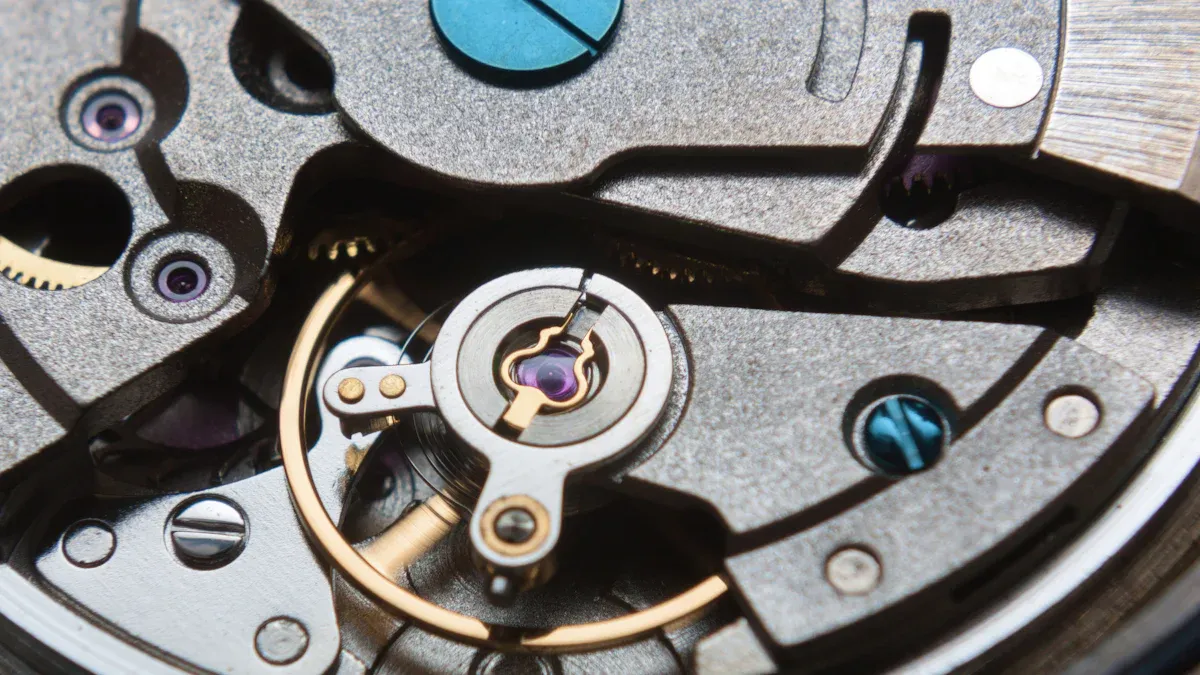
An automatic watch, also known as a self-winding watch, harnesses the natural motion of your wrist to wind its mainspring. This feature eliminates the need for manual winding if you wear the watch regularly. Here’s how it works:
The rotor spins due to your arm movements.
This spinning action winds the mainspring through a series of gears.
The mainspring stores energy, which powers the watch.
You can also manually wind the watch using the crown if needed.
Key components of automatic movements include the rotor, mainspring, geartrain, escapement, and balance wheel. Each part plays a crucial role in ensuring accurate timekeeping and reliability.
Pros and Cons
Automatic watches come with several advantages and some drawbacks. Here’s a quick overview:
Pros:
No battery replacement needed: You won’t have to worry about changing batteries.
Maintains waterproof integrity: The absence of a battery keeps the watch case sealed.
Aesthetic appeal: Many automatic watches showcase their intricate mechanisms, enhancing their visual charm.
Mechanical complexity: The gears and cogs reflect craftsmanship and authenticity.
Energy reserve: Most automatic watches can run for several days on a full charge.
Cons:
Requires regular wear: If you don’t wear the watch often, it may stop running.
Higher price point: Automatic watches often cost more than quartz movements due to their complexity.
Maintenance: They may require servicing every few years to keep them running smoothly.
Ideal Use Cases
Automatic watches are perfect for various lifestyles and preferences. Consider these scenarios where they shine:
Watch enthusiasts: If you appreciate craftsmanship and the art of horology, automatic watches will captivate you.
Adventurers: Their durability makes them suitable for extreme athletes and outdoor enthusiasts.
Everyday wear: If you wear your watch regularly, you’ll enjoy the convenience of not needing to wind it manually.
Quartz Watch Movement
How It Works
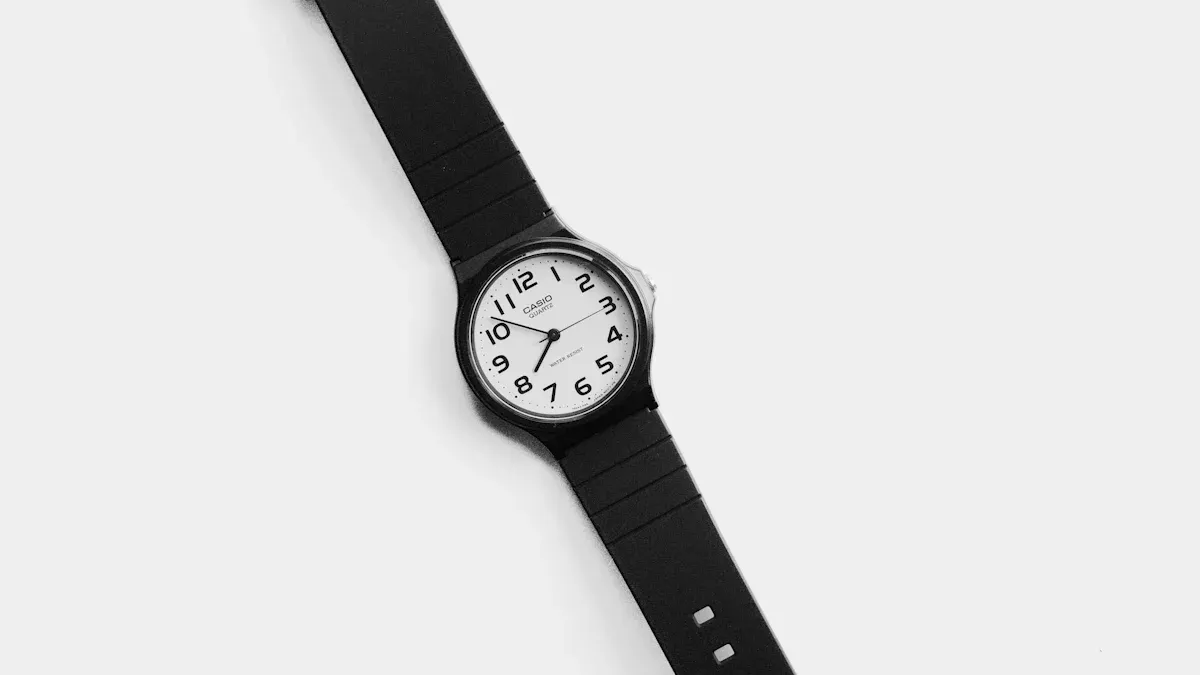
A quartz watch movement operates using a battery and a quartz crystal. Here’s how it generates and regulates timekeeping:
The battery sends an electric current through the quartz crystal.
The quartz crystal, shaped like a tuning fork, vibrates at a natural frequency, typically 32,768 Hz.
Each oscillation generates a voltage that an integrated circuit counts. When 32,768 oscillations occur, it marks one second.
The circuit amplifies the voltage to maintain the quartz crystal’s vibrations, ensuring accurate timekeeping.
This process makes quartz movements highly reliable. They maintain time within a few seconds per month, making them more precise than mechanical watches.
Pros and Cons
Quartz movements come with several advantages and some drawbacks. Here’s a quick overview:
Pros:
Accuracy: Quartz watches are known for their precision. They keep time within a few seconds each month, making them ideal for daily use.
Low Maintenance: You won’t need to wind a quartz watch regularly. The battery lasts two to five years, reducing maintenance needs.
Affordability: Generally, quartz watches cost less than their mechanical counterparts. This affordability makes them accessible to a wider audience.
Durability: Quartz watches are less affected by external factors like temperature changes, ensuring consistent performance.
Cons:
Battery Replacement Required: You will need to change the battery periodically, which can be inconvenient.
Risk of Battery Leakage: If you don’t use the watch for a long time, the battery may leak, causing damage.
Low Production Cost: The ease of producing quartz movements leads to many low-quality options in the market.
Ideal Use Cases
Quartz watches are particularly recommended for individuals who value accuracy and convenience. They are ideal for daily use and especially beneficial for professionals who need reliable timekeeping without the hassle of regular maintenance. Here are some scenarios where quartz movements shine:
Everyday Wear: If you need a watch for daily activities, quartz movements provide the reliability you seek.
Professionals: Those in fast-paced jobs benefit from the accuracy and low maintenance of quartz watches.
Casual Users: If you prefer a watch that requires minimal attention, quartz is the way to go.
Mechanical Watch Movement
How It Works
A mechanical watch movement operates entirely through mechanical components. It relies on a mainspring for power, a gear train for time measurement, and a balance wheel for accuracy. This intricate system allows the watch to function without any electronic parts, showcasing the craftsmanship of traditional watchmaking. Here’s a breakdown of the key components:
Component | Function |
|---|---|
Mainspring | Stores mechanical energy to power the watch. |
Gear Train | Transmits force from the mainspring to the balance wheel and measures time. |
Balance Wheel | Oscillates to keep time accurately as a harmonic oscillator. |
Escapement | Regulates the release of energy from the mainspring and produces the ticking sound. |
Indicating Dial | Displays the time in a human-readable format. |
When you wind a mechanical watch, you tighten the mainspring. As it unwinds, it releases energy that powers the movement. This process creates a rhythmic ticking sound, a hallmark of mechanical watches.
Pros and Cons
Mechanical watches come with distinct advantages and some drawbacks. Here’s a quick overview:
Pros:
Craftsmanship: Mechanical watches are handcrafted by expert watchmakers. This ensures high-quality craftsmanship and intricate designs.
Longevity: With proper maintenance, mechanical watches can last for decades or even a lifetime. They are designed to be repairable, allowing for restoration by skilled artisans.
Emotional Value: Many collectors appreciate the emotional connection formed through the tactile experience of winding and listening to the movement. Each piece tells a story of heritage and artistry.
Cons:
Maintenance Requirements: Mechanical movements require periodic servicing to replace oils that break down over time. This process involves disassembling the movement, cleaning parts, and inspecting for wear.
Accuracy: While mechanical watches are reliable, they may not match the precision of quartz movements. They can gain or lose time, especially if not properly maintained.
Cost: Mechanical watches often come with a higher price tag due to their complexity and craftsmanship.
Ideal Use Cases
Mechanical watches are best suited for specific occasions and users. Here are some scenarios where they shine:
Collectors: If you appreciate the artistry and craftsmanship behind mechanical movements, you will likely enjoy collecting them. Each watch represents a unique piece of history.
Formal Occasions: Mechanical watches often serve as elegant accessories for formal events. Their intricate designs and heritage make them stand out.
Watch Enthusiasts: If you enjoy the ritual of winding your watch, mechanical movements provide a satisfying connection to the timepiece. This interaction enhances your appreciation for the watch.
Comparing Watch Movements
When you compare watch movements, you notice key differences and similarities among automatic, quartz, and mechanical types. Each movement has unique characteristics that influence your choice.
Accuracy
Accuracy is a crucial factor in your watch selection. Here’s a quick look at how each movement performs:
Watch Movement Type | Accuracy |
|---|---|
Quartz | +/- 15 to 20 seconds per month |
Automatic | -10 to +30 seconds per day |
Mechanical | +/- 2 seconds per day (Rolex) |
Quartz watches excel in accuracy. They utilize a quartz crystal that oscillates 32,768 times per second. This high frequency leads to precise timekeeping. In contrast, automatic watches operate at 6 to 8 beats per second, resulting in less accuracy. Mechanical watches also fall behind quartz in precision, as they rely on a mechanical escapement.
Maintenance
Maintenance costs and requirements vary significantly among the three types:
Watch Type | Maintenance Cost (20 years) | Service Interval | Additional Notes |
|---|---|---|---|
Quartz | $200-400 | Battery change every 2-3 years; full service after 10-15 years | Minimal upkeep, low cost |
Automatic | $600-1,200 | Professional care every 3-5 years | Requires detailed servicing, higher cost |
Mechanical | $1,000-2,500 | Varies, often needs more frequent servicing | High-end models can be very expensive |
Quartz watches require minimal maintenance. You only need to change the battery every few years. Automatic and mechanical watches demand more attention. They require professional servicing to ensure they function correctly.
Design Aspects
Design plays a significant role in your decision. Quartz movements are powered by batteries, making them less intricate. Automatic movements, a type of mechanical watch, wind themselves through wrist motion. Mechanical movements require manual winding, showcasing the artistry of traditional watchmaking. Each type has its advantages and disadvantages, influencing your choice based on preferences for accuracy, maintenance, and craftsmanship.
In this watch buying guide, you learned about the three main types of watch movements: quartz, automatic, and mechanical. Each movement has distinct advantages and disadvantages. For example, quartz movements offer exceptional accuracy and low maintenance, making them ideal for everyday wear. On the other hand, mechanical movements showcase high craftsmanship and longevity, appealing to collectors and enthusiasts.
When choosing the right movement, consider your lifestyle and preferences. Ask yourself what features matter most to you. Whether you prioritize accuracy, maintenance, or aesthetic appeal, understanding watch movements will help you make an informed decision. Remember, the right watch can enhance your style and meet your needs.
FAQ
What is the difference between automatic and mechanical watches?
Automatic watches wind themselves through wrist movement, while mechanical watches require manual winding. Both types showcase fine craftsmanship, but automatic watches offer modern reliability without daily winding.
Are quartz watches less valuable than mechanical watches?
Not necessarily. Quartz watches provide accuracy and low maintenance, appealing to many watch enthusiasts. Mechanical watches often attract collectors due to their art and tradition of watchmaking.
How often should I service my watch?
Service intervals depend on the movement type. Quartz watches need battery changes every 2-3 years. Automatic and mechanical watches typically require servicing every 3-5 years to maintain performance.
What are solar movements?
Solar movements are a type of quartz watch that uses solar energy to power the battery. They combine modern reliability with eco-friendliness, making them a popular choice among watch aficionados and collectors.
Why should I choose a mechanical watch?
Choosing a mechanical watch allows you to appreciate the art and tradition of watchmaking. These timepieces offer a unique connection to craftsmanship and often become cherished heirlooms.