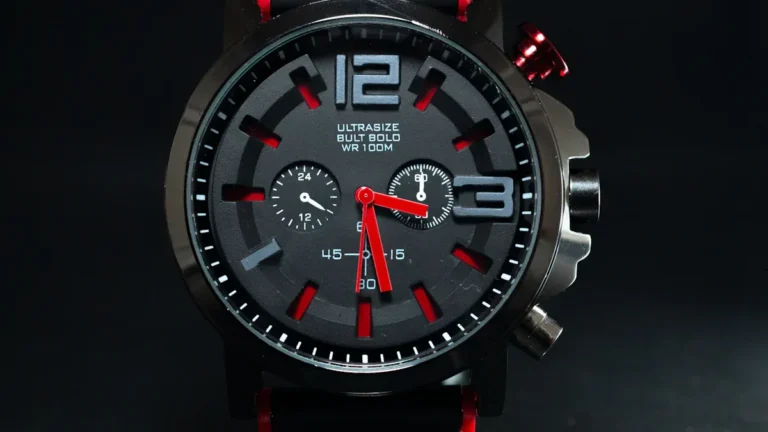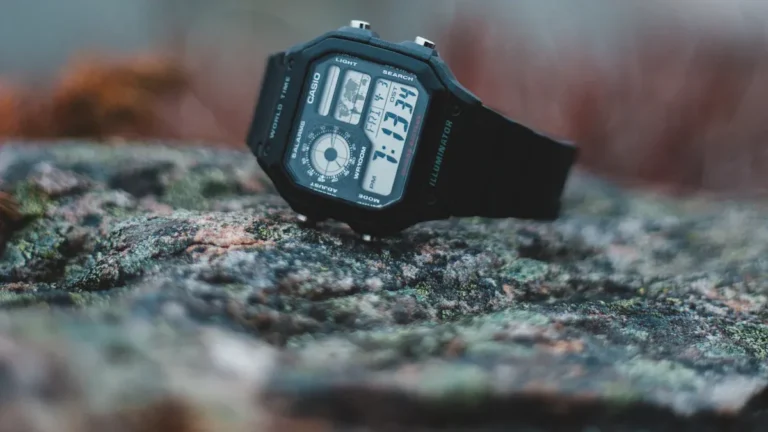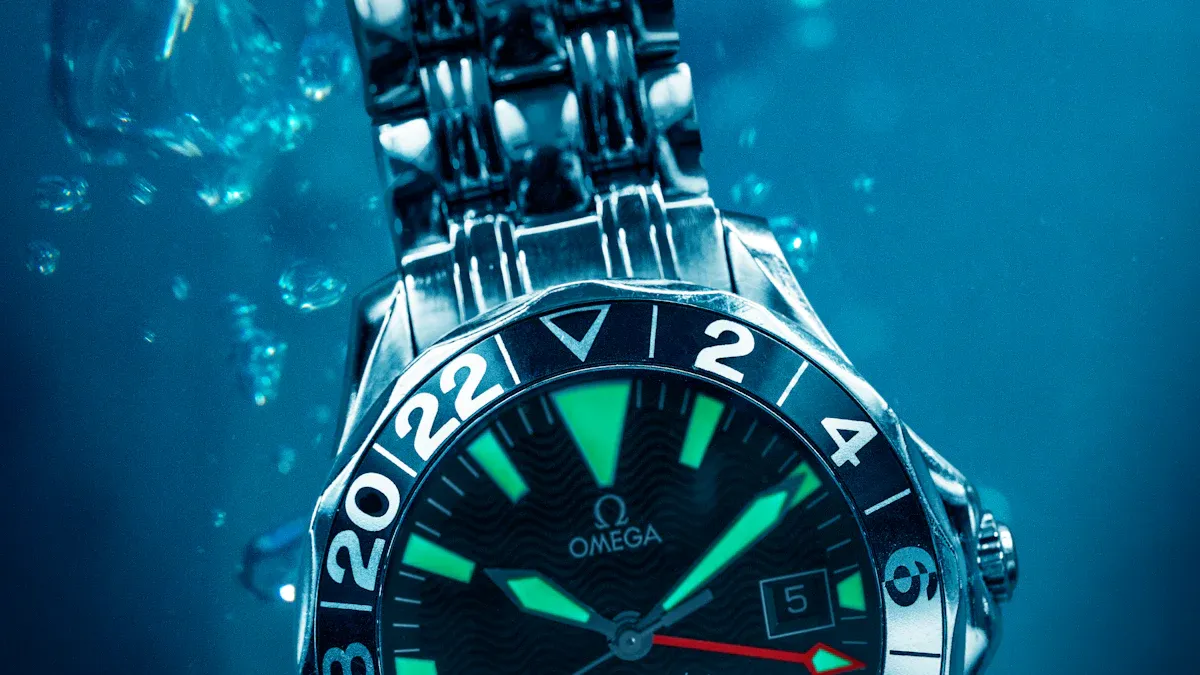
Water resistance ratings indicate how well a watch can withstand exposure to water. These ratings matter because they help you choose a watch that fits your lifestyle. Many people confuse these ratings, thinking that a watch labeled as water resistant can handle any situation. In reality, the numbers—like 30m, 50m, and 100m—represent different levels of protection. Understanding these ratings ensures you select the right watch for your activities.
Understanding Water Resistance Ratings
What Do Ratings Indicate?
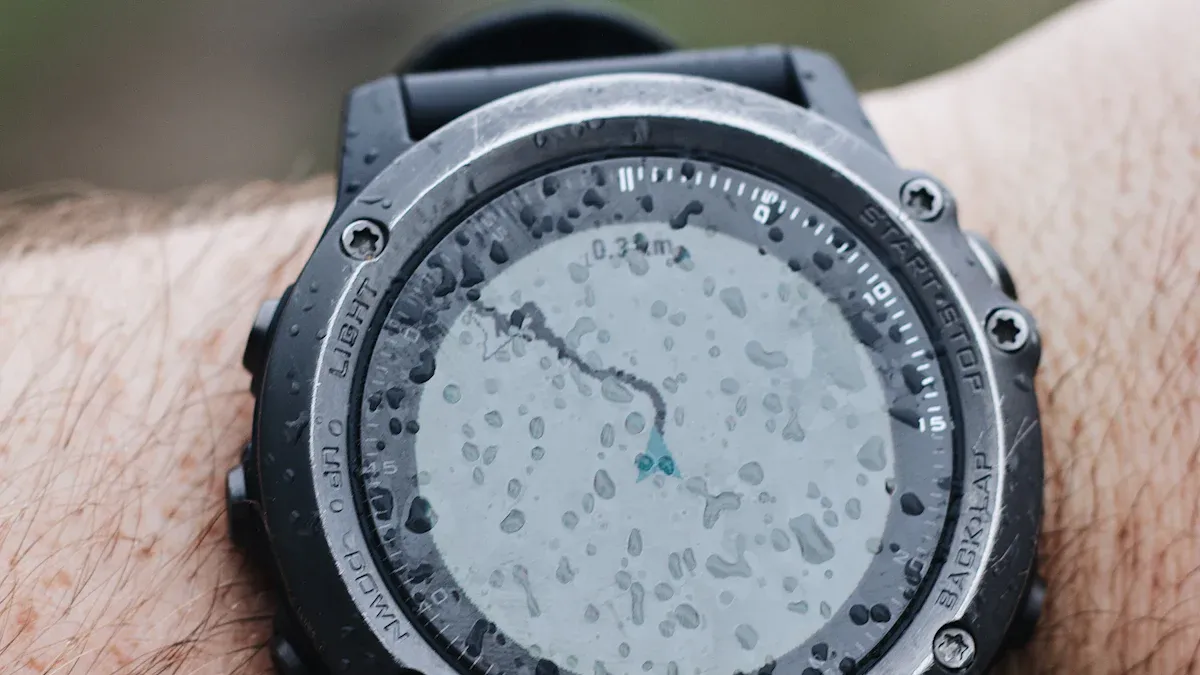
Water resistance ratings tell you how well a watch can handle exposure to water. These ratings reflect the watch’s ability to endure static pressure at specific depths. However, they do not guarantee that the watch can perform well during actual underwater activities. Here are some key points to understand:
A watch rated for 30 meters is tested for static pressure at that depth. This means it can withstand the pressure of being submerged in still water.
A 50-meter rating indicates similar testing. It does not mean you can dive to that depth safely.
The pressure you experience while moving underwater is greater than the static pressure. This can lead to seal failure if you exceed the watch’s rated depth.
It’s important to remember that a watch labeled as splash resistant is not suitable for prolonged use in water. For example, a watch with a 30m water resistance rating can handle splashes but is not designed for swimming or showering.
Testing Methods for Ratings
Watch manufacturers determine water resistance ratings through specific testing methods. These methods ensure that the ratings accurately reflect the watch’s performance under controlled conditions. Here’s how the testing typically works:
Testing Method | Description |
|---|---|
Static Pressure Test | Conducted in a lab to measure water resistance under controlled conditions without movement. |
Conditions | The watch is tested in a pressurized tank, remaining motionless, with no temperature changes. |
Real-World Factors | Real-life scenarios involve turbulent forces that can affect the watch’s seals differently. |
The ratings you see on the watch dial represent static pressure in lab conditions. They are valid only when the watch is immobile and the water is still. Additionally, the temperature range during testing must remain between 25-30 degrees Celsius for accurate results.
Understanding water resistance ratings helps you choose a watch that fits your lifestyle. Whether you need a watch for daily wear or specific activities, knowing how these ratings work can guide your decision.
30m Water Resistance Rating
Suitable Uses
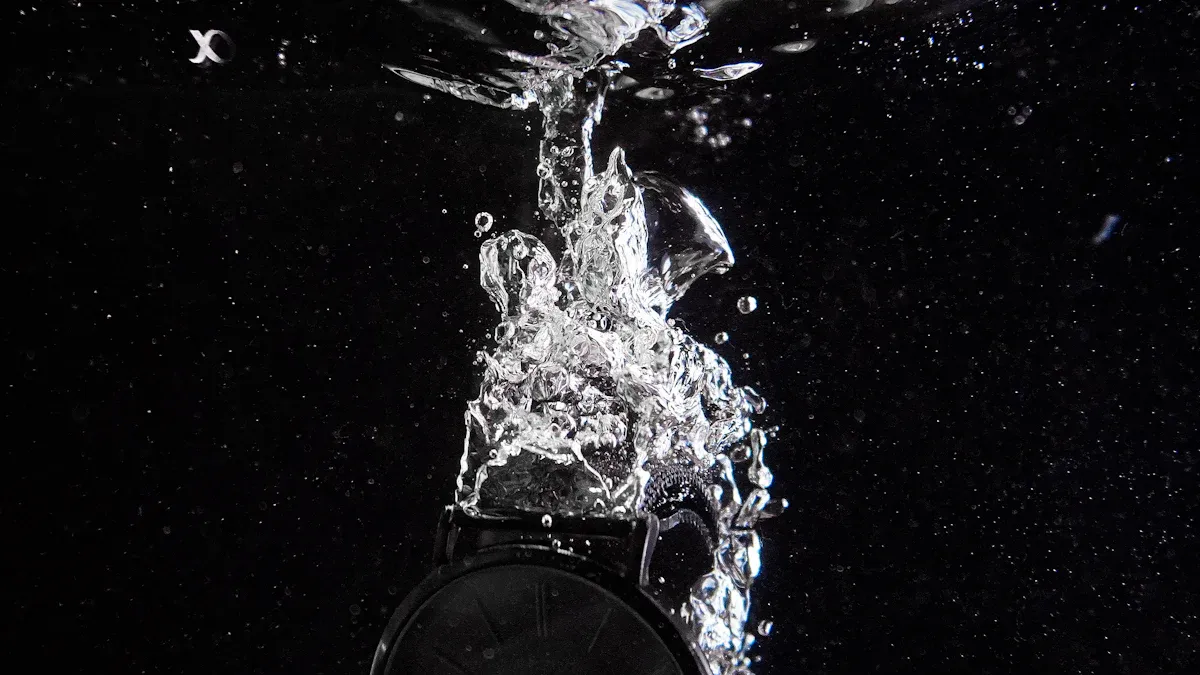
A watch with a 30m water resistance rating can handle various everyday activities. Here are some suitable uses for this rating:
Washing hands
Showering
Bathing
Swimming in shallow water
Other aquatic activities, including diving to a depth of 30m
These activities are generally safe for a watch rated at 30 metres. However, you should always be cautious about prolonged exposure to water.
Limitations of 30m Rating
Many people misunderstand the 30m water resistance rating. They often think it means the watch can be used for swimming or other water sports. However, this rating is based on static pressure conditions in a lab. It only applies when the watch is immobile in water. In real-life situations, factors like water flow and temperature changes can affect the watch’s performance.
Exceeding the recommended water resistance can lead to several issues:
Thermal expansion problems, where the metal case and rubber gaskets expand at different rates, can deform seals and allow moisture to enter.
Old and hard gaskets may fail under high temperatures, increasing the risk of water ingress.
Rapid changes in water pressure, such as those experienced by swimmers, can exceed the watch’s rated resistance, leading to leaks.
High water temperatures, like those in hot tubs, can compromise the integrity of water protection seals.
Regular maintenance is crucial, as seals and gaskets can wear down over time, especially with exposure to harsh conditions.
Understanding these limitations helps you make informed decisions about your watch. Always remember that while a watch may be labeled as splash resistant, it does not mean it can withstand all water activities.
50m Water Resistance Rating
Appropriate Activities
A watch with a 50m water resistance rating offers more versatility than a 30m watch. You can confidently wear it during various activities, including:
Swimming in pools
Snorkeling in shallow waters
Showering
Washing hands
Engaging in water sports that do not involve diving
This rating provides decent protection against water exposure. However, always remember that while the watch can handle splashes and brief submersion, it is not designed for deep diving.
Misconceptions of 50m Rating
Many people mistakenly believe that a 50m water resistance rating means they can dive to that depth safely. This is not true. The rating indicates the watch’s ability to withstand static pressure in a lab setting, not the dynamic pressure experienced during actual diving. Here are some common misconceptions:
Misconception: A 50m watch is suitable for deep diving.
Reality: The watch can handle splashes and shallow swimming but is not meant for diving activities.
Misconception: You can wear a 50m watch in hot tubs or saunas.
Reality: High temperatures can damage seals and gaskets, leading to water ingress.
Understanding these misconceptions helps you make informed choices about your watch. Always consider the activities you plan to engage in and choose a watch that matches your needs. A watch with a 50m water resistance rating provides good protection for casual water activities but is not a substitute for specialized diving watches.
100m Water Resistance Rating
Suitable Activities
A watch with a 100m water resistance rating offers excellent protection for various water-related activities. You can confidently wear it for:
Swimming in pools and open water
Snorkeling
Recreational scuba diving
Water sports like jet skiing or wakeboarding
This rating means your watch can handle significant exposure to water. You can enjoy these activities without worrying about damaging your watch. However, always remember that while a 100m rating provides good water resistant capability, it does not mean the watch is suitable for professional diving.
Diving Limitations
Despite its impressive rating, a watch with a 100m water resistance rating has limitations when it comes to diving. Here are some important points to consider:
Tip: A watch rated for 100m is not a dive watch. Dive watches typically have a minimum rating of 200 metres to ensure safety during deep dives.
When you dive, you experience dynamic pressure that exceeds static pressure. This pressure can affect the seals and gaskets of your watch. If you plan to engage in professional diving, you should invest in a watch specifically designed for that purpose. Dive watches are built to withstand the rigors of underwater exploration and often include features like rotating bezels and helium escape valves.
Common Misconceptions About Water Resistance
Waterproof vs. Water Resistant
Many people confuse the terms “waterproof” and “water resistant.” Understanding the difference is crucial for making informed choices about your watch. Here’s a breakdown of these terms:
Water Resistant: A water-resistant luxury watch can withstand contact with water for a certain amount of time or under specific conditions. This means it can handle splashes and brief submersion.
Waterproof: A “waterproof” watch should theoretically be impenetrable by water. However, no watch can guarantee perpetual waterproofness. Even the best diving watches can be affected by aging and extreme conditions.
This misunderstanding can lead to unrealistic expectations. Always remember that while a watch may be labeled as waterproof, it still has limitations.
Dynamic vs. Static Pressure
Understanding the difference between dynamic and static pressure is essential when considering water resistance ratings. Here’s how they differ:
Pressure Type | Description |
|---|---|
Static Pressure | This refers to the pressure exerted on a watch when it is immobile in water. It is the basis for water resistance ratings. |
Dynamic Pressure | This occurs when the watch is in motion underwater. Movement increases the pressure on the watch, which can exceed its rated resistance. |
For example, a watch rated for 100 meters can handle static pressure at that depth. However, if you swim quickly, the dynamic pressure can be much higher. This can lead to potential leaks or damage.
To illustrate this further, consider the following table showing how speed affects pressure:
Speed (ft/s) | Depth (m) | Added Pressure (%) |
|---|---|---|
3 | 100 | 0.04 |
20 | 100 | 2 |
As you can see, moving quickly through water increases the pressure on your watch. This is why a watch rated for 100 meters is not suitable for professional diving. Always choose a watch designed for your specific activities to ensure proper protection.
Understanding these misconceptions helps you make better choices when selecting a watch. Always consider the activities you plan to engage in and choose a watch that matches your needs.
Maintenance for Water Resistant Watches
Care Tips
To keep your watch’s water resistance intact, follow these care tips:
Avoid Hot Water and Steam: Heat can damage gaskets. Stay away from saunas and hot showers.
Choose Appropriate Strap Materials: Opt for silicone or metal straps. Leather absorbs water and can weaken over time.
Regular Testing: Schedule annual professional tests. This checks for seal wear and ensures your watch maintains its water resistance.
Watch for Signs of Damage: Look for moisture under the crystal or any visible damage to the crown and case back.
Routine Cleaning: Rinse your watch with fresh water after exposure to saltwater or chlorine. Dry it with a soft cloth to prevent corrosion.
Avoid Extreme Conditions: Limit exposure to high-impact activities and sudden temperature changes. These can compromise the watch’s seals.
Importance of Regular Maintenance
Regular maintenance is crucial for preserving your watch’s water resistance. Experts recommend checking the water resistance of your watch at least once a year. Additionally, perform checks after any significant impact to ensure continued protection.
Mechanical watches typically require servicing every 3 to 5 years, while quartz watches may need checks every 4 to 5 years. Gasket replacement is also essential for maintaining water resistance. You should replace gaskets every 3 to 5 years to avoid leaks. Costs for this service usually range from $100 to $200.
Remember, exposure to chemicals and saltwater can damage gaskets over time. Rinsing your watch after such exposure helps maintain its protective features. If you neglect maintenance, you risk voiding your warranty. Water damage often occurs when seals degrade, leading to costly repairs.
By following these care tips and scheduling regular maintenance, you can ensure your watch remains a reliable companion for all your water-related activities.
Understanding water resistance ratings is crucial when choosing a watch. These ratings help you determine how well a watch can handle water exposure. Here’s a quick summary of what each rating means:
Water Resistance Rating | Suitable Activities |
|---|---|
30m/3ATM/3 Bar | Suitable for splashes or rain, not for submersion |
50m/5ATM/5 Bar | Fine for light swimming, not for snorkeling or diving |
100m/10ATM/10 Bar | Suitable for swimming and snorkeling, not for diving |
When selecting a watch, consider your activities. A watch labeled as waterproof may still have limitations. Choose wisely to ensure your watch meets your water resistance needs.
FAQ
What does “water resistant” mean?
“Water resistant” means your watch can withstand some exposure to water. It does not guarantee complete protection against water damage. Always check the specific water resistance rating for your watch.
Can I swim with a 30m water resistant watch?
You can wash your hands or shower with a 30m watch, but avoid swimming. This rating is not designed for prolonged water exposure, which can lead to damage.
How often should I test my watch’s water resistance?
You should test your watch’s water resistance at least once a year. Regular checks help ensure seals remain intact and protect against water damage.
What activities are safe for a 100m water resistant watch?
A 100m water resistant watch is suitable for swimming, snorkeling, and recreational water sports. However, it is not designed for professional diving.
How can I maintain my watch’s water resistance?
To maintain water resistance, avoid hot water, choose appropriate strap materials, and schedule regular maintenance checks. Rinse your watch after exposure to saltwater or chlorine.