Watch dials serve as the face of a watch, showcasing its timekeeping capabilities and aesthetic appeal. They play a crucial role in watch design, merging functionality with style. Choosing the right watch dial types can significantly affect your overall experience. For instance, an analog dial offers versatility, while a digital dial provides straightforward readability. Your choice of watch dial types should reflect both your personal style and how you plan to use the watch.
Key Takeaways
Analog dials offer a classic look and precise time interpretation, making them a timeless choice for watch enthusiasts.
Digital dials provide modern features like health tracking and GPS, catering to active lifestyles and enhancing daily convenience.
Skeleton dials showcase intricate craftsmanship, appealing to collectors and those who appreciate the artistry of watchmaking.
Choosing the right watch dial type should reflect your personal style and how you plan to use the watch for optimal satisfaction.
Hybrid dials combine traditional aesthetics with modern functionality, offering versatility for both formal and casual occasions.
Analog Watch Dial Types
Features of Analog Dials
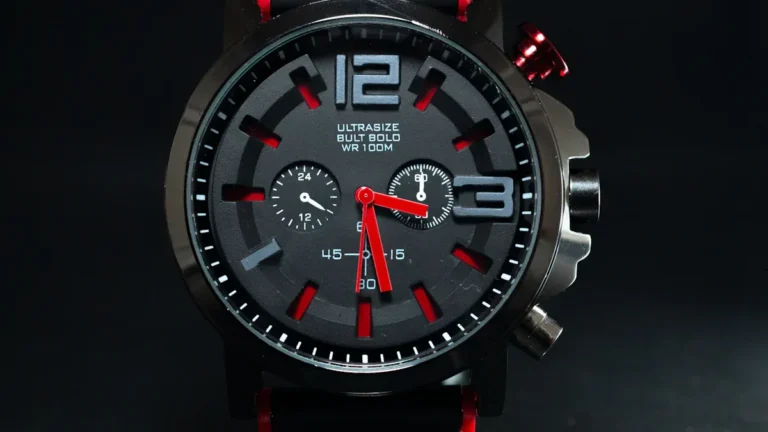
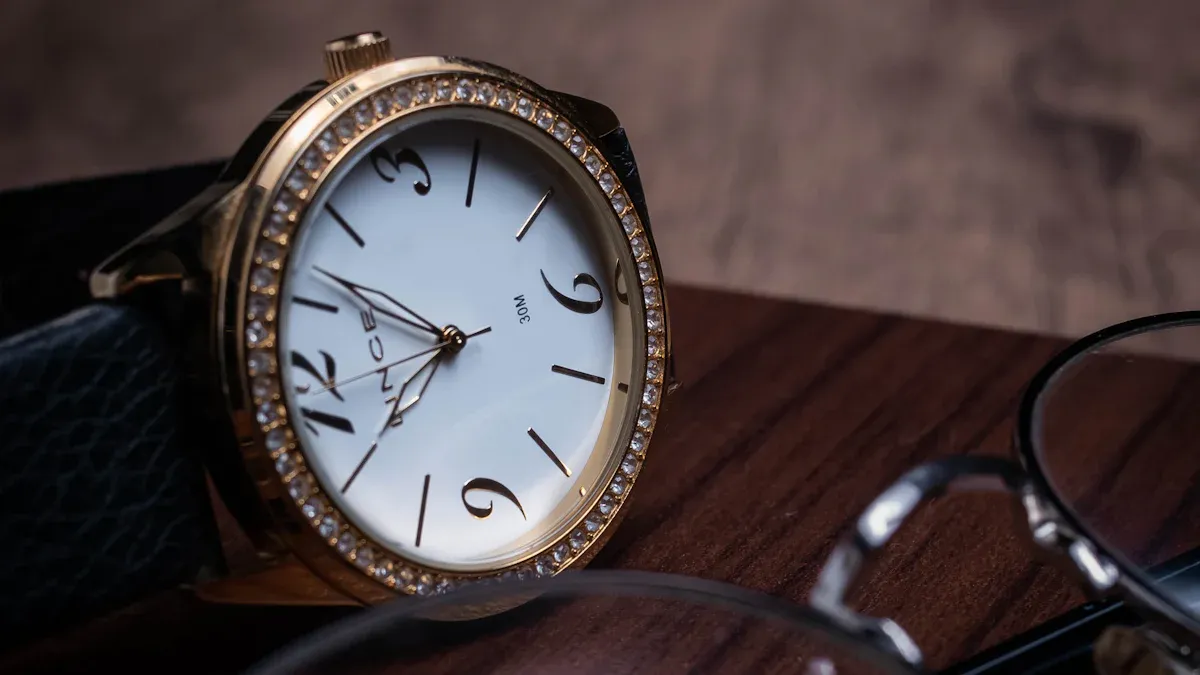
Analog watch dials are characterized by their traditional hour and minute hands, which rotate around a fixed center. These dials often feature hour and minute markers, allowing you to read the time at a glance. The most common configurations include the classic 3-hand dial, which displays hours, minutes, and sometimes seconds.
You will find that analog dials come in various materials, such as brass, stainless steel, and aluminum. Brass is particularly popular due to its stability and flexibility in finishing. The choice of surface finishes, like lacquer and enamel, can significantly affect the durability and aging of the dials. Some materials enhance visual appeal but may compromise durability, while others are designed to withstand everyday wear.
“Seeing time move,” says pediatric developmental expert Dr. Marcus Lin, “helps young minds map abstract concepts onto physical reality.” This statement highlights how analog dials foster a deeper awareness of time passage.
Advantages of Analog Dials
Analog dials offer several advantages that make them a popular choice among watch enthusiasts. Here are some key benefits:
Timeless Aesthetic: Analog watches often exude a classic charm. Their designs can range from minimalist to ornate, appealing to various tastes.
Enhanced Timekeeping Accuracy: The movement of hour and minute hands allows for precise time interpretation. This feature helps you develop a better understanding of time.
Craftsmanship: Many analog watches showcase intricate craftsmanship, which can evoke emotions and symbolize personal milestones.
In fact, analog watches accounted for a revenue share of 91.69% in the watch industry in 2024, indicating that a significant majority of watches sold globally feature analog dials.
Uses of Analog Dials
Analog dials find their place in various industries and professions. Here’s a look at where they are most commonly used:
Industry | Preferred Watch Type | Rationale |
|---|---|---|
Investment Banking & Law | Analog (often minimalist or luxury) | Conveys discretion, stability, and adherence to tradition. |
Management Consulting | Analog (conservative metal/leather bands) | Balances professionalism with approachability. Avoids tech distractions. |
Academia & Public Service | Mixed, leaning toward analog | Respect for formality and legacy institutions favors traditional styles. |
You can see that analog dials are not just about telling time; they also reflect your personal style and professional image. Whether you wear a watch for function or fashion, the analog dial remains a timeless choice.
Digital Watch Dial Types
Features of Digital Dials
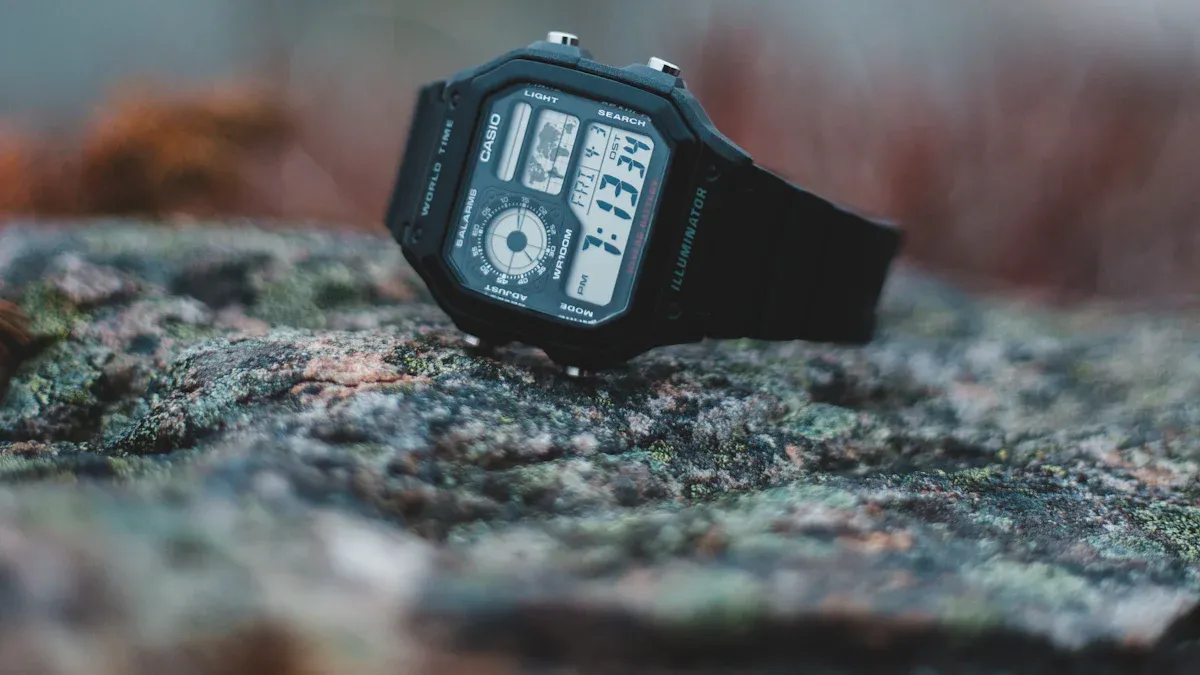
Digital watch dials stand out with their clear numerical displays. You can find two main types of displays in digital watches: LED (Light Emitting Diode) and LCD (Liquid Crystal Display). Each type has unique characteristics:
LED Displays: These displays are bright and easy to read in low-light conditions. However, they can consume more battery power.
LCD Displays: These are more efficient than LED displays. Although they were harder to see in bright sunlight, their efficiency led to widespread popularity. Seiko introduced the first LCD watch in 1973, paving the way for many brands to adopt this technology.
Digital dials often include additional features like alarms, timers, and backlighting. This straightforward design enhances readability, making it easier for you to check the time quickly.
Advantages of Digital Dials
Digital dials offer several advantages that cater to modern lifestyles. Here are some key benefits:
Real-Time Health Tracking: Many digital watches come equipped with features that allow you to monitor your heart rate and other health metrics.
Built-In GPS: This feature helps you navigate during outdoor activities, making digital watches ideal for adventurers.
Customizable Features: You can often personalize settings to fit your fitness goals and preferences.
Digital watches also support various watch complications. These include alarms and timers, which are practical for users with active lifestyles. The ability to set reminders or track intervals can enhance your productivity and help you stay organized.
Uses of Digital Dials
Digital dials find their place in various settings. Here’s a look at where they are most commonly used:
Setting | Preferred Watch Type | Rationale |
|---|---|---|
Sports & Fitness | Digital (often with health tracking) | Provides real-time data and supports fitness goals. |
Outdoor Activities | Digital (with GPS functionality) | Offers navigation and tracking features for adventurers. |
Everyday Use | Digital (for convenience) | Easy readability and practical features make them suitable for daily wear. |
Digital watches are not just about telling time; they also enhance your daily activities. Whether you need a reliable companion for workouts or a simple timepiece for everyday tasks, digital dials offer versatility and functionality.
Skeleton Watch Dial Types
Features of Skeleton Dials
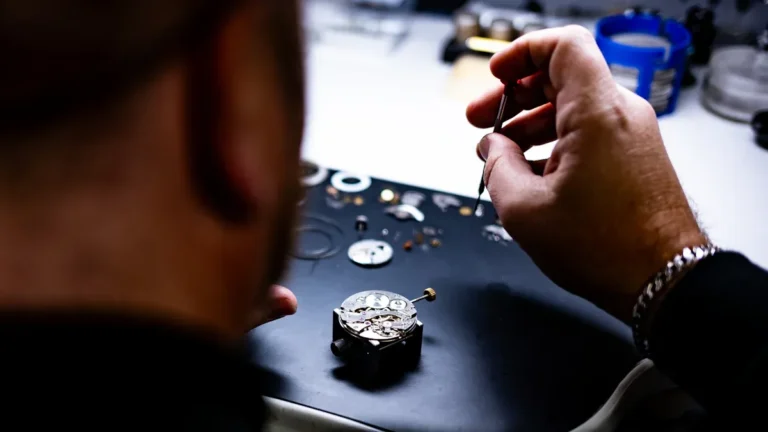
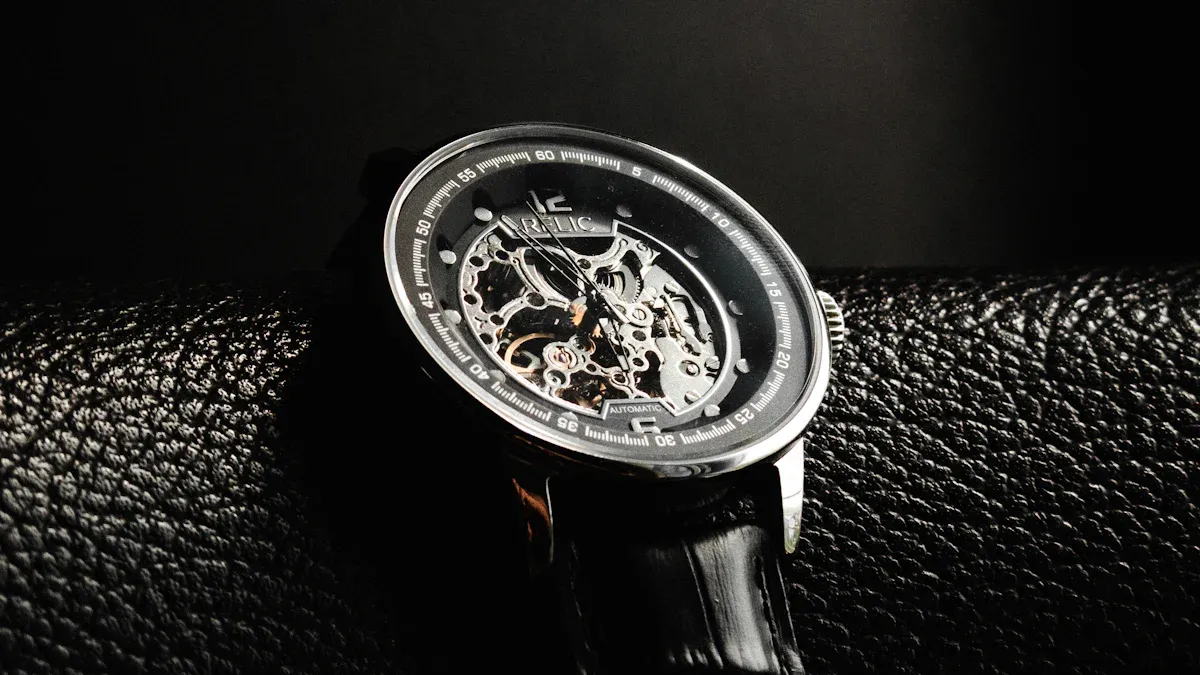
Skeleton watch dials stand out due to their unique construction. These dials reveal the intricate movement of the watch, showcasing the mechanics inside. You can see the gears, bridges, and wheels that make the watch tick. This design creates a stunning visual effect, but it can sometimes make it harder to read the time. The process of skeletonization involves removing excess metal from the movement. This careful engineering ensures that the watch remains accurate and reliable while allowing light to illuminate its inner workings.
Creating skeleton watches requires exceptional skill. Artisans must delicately remove metal while preserving essential parts of the movement. This meticulous process often includes beautiful engravings that enhance the watch’s charm. The craftsmanship involved harmonizes aesthetics with functionality, allowing you to appreciate both the beauty and the engineering behind the watch.
Advantages of Skeleton Dials
Skeleton dials offer several advantages that appeal to collectors and enthusiasts. Here are some key benefits:
Advantage | Description |
|---|---|
Aesthetic Appeal | Skeleton watches have a distinctive design that captivates collectors and enthusiasts. |
Craftsmanship | They showcase intricate mechanical movements, highlighting the artistry involved in watchmaking. |
Historical Significance | These watches often have a rich history that adds to their value and appeal. |
Educational Value | Observing the movement enhances understanding of mechanical engineering in horology. |
Skeleton watches serve as conversation starters. They allow you to share your passion for horology with others. The combination of functionality and artistry makes these timepieces not just a means of telling time but also a way to express personal style and appreciation for the craft.
Uses of Skeleton Dials
You can find skeleton dials in various settings. Here’s a look at where they are most commonly used:
Setting | Preferred Watch Type | Rationale |
|---|---|---|
Luxury Events | Skeleton (often high-end brands) | Showcases elegance and sophistication, making a statement. |
Collectors’ Exhibitions | Skeleton (unique designs) | Highlights craftsmanship and attracts attention from enthusiasts. |
Fashion Shows | Skeleton (artistic designs) | Serves as a bold accessory that complements high-fashion outfits. |
Skeleton dials not only tell time but also reflect your appreciation for fine craftsmanship. Whether you wear one for its beauty or its engineering, a skeleton watch can elevate your style.
Comparative Analysis of Watch Dial Types
Key Differences
When choosing between watch dial types, understanding their differences helps you make an informed decision. Here’s a quick comparison:
Dial Type | Functionality | Design Features |
|---|---|---|
Analog | Uses hands to indicate time, often with additional features like date displays | Typically features hour markers and a traditional clock face design |
Digital | Displays time in numerical format, often with additional functionalities | Usually has a modern, minimalist design with a digital screen |
Skeleton | Showcases the inner mechanics of the watch, appealing to watch enthusiasts | Features exposed components, often with decorative techniques for visual appeal |
This table highlights how each dial type serves different purposes and appeals to various preferences.
Hybrid Dials and Subtypes
Hybrid dials combine the best features of analog and digital watches. They offer a unique blend of traditional aesthetics and modern functionality. Here are some key characteristics of hybrid dials:
Hybrid watches feature analog hands for a traditional appearance and straightforward time reading.
They include a digital display that offers additional functionalities such as alarms, fitness tracking, and notifications.
These watches are versatile, fitting both formal and casual occasions.
You might also encounter various subtypes of watch dials, such as crosshair dials, california dials, and guilloché dials. Each distinctive dial type adds its own flair to the watch, enhancing its overall appeal.
Choosing the right watch dial type can enhance your timekeeping experience. Each type offers unique features that cater to different needs:
Analog dials provide a classic aesthetic and precise time interpretation.
Digital dials offer modern functionality with features like health tracking and GPS.
Skeleton dials showcase intricate craftsmanship, appealing to collectors and enthusiasts.
Recent trends show a shift towards bold colors and refined skeleton designs, enhancing both style and usability. Remember, your choice should reflect your personal style and lifestyle. Consider how each dial type aligns with your needs and preferences for a satisfying watch experience.
“Different watch dial types cater to specific consumer needs, enhancing usability and satisfaction.”
FAQ
What is the difference between analog and digital watch dials?
Analog dials use rotating hands to show time, while digital dials display time in numbers. Analog dials often have a classic look, whereas digital dials offer modern features like alarms and backlighting.
Are skeleton watches more expensive than other types?
Skeleton watches can be pricier due to their intricate craftsmanship and unique designs. The visibility of the movement often adds to their appeal, making them sought after by collectors.
How do I choose the right watch dial type for me?
Consider your lifestyle and personal style. If you prefer classic elegance, choose an analog dial. For functionality and tech features, opt for a digital dial. If you appreciate craftsmanship, a skeleton dial may suit you.
Can I wear a digital watch for formal occasions?
Yes, you can wear a digital watch for formal events. Look for sleek designs with minimalistic features. Some brands offer digital watches that blend modern technology with elegant aesthetics.
Do skeleton watches require more maintenance?
Skeleton watches may need more care due to their exposed mechanics. Regular servicing helps maintain accuracy and appearance. Ensure you follow the manufacturer’s guidelines for upkeep.